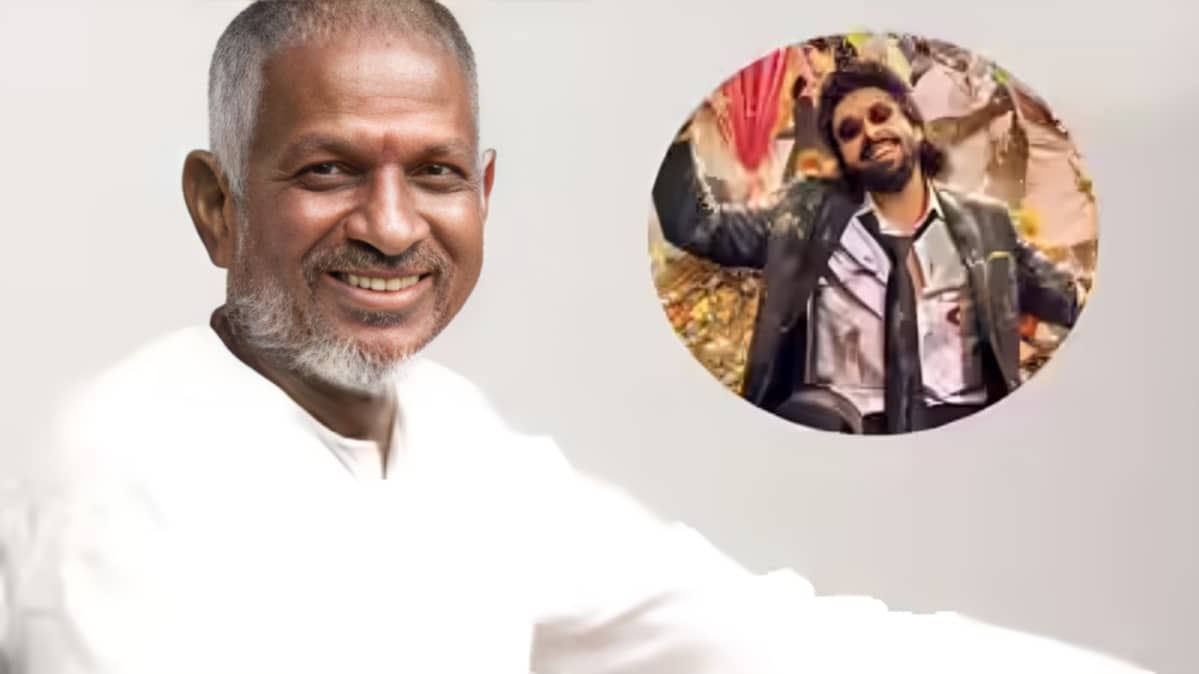
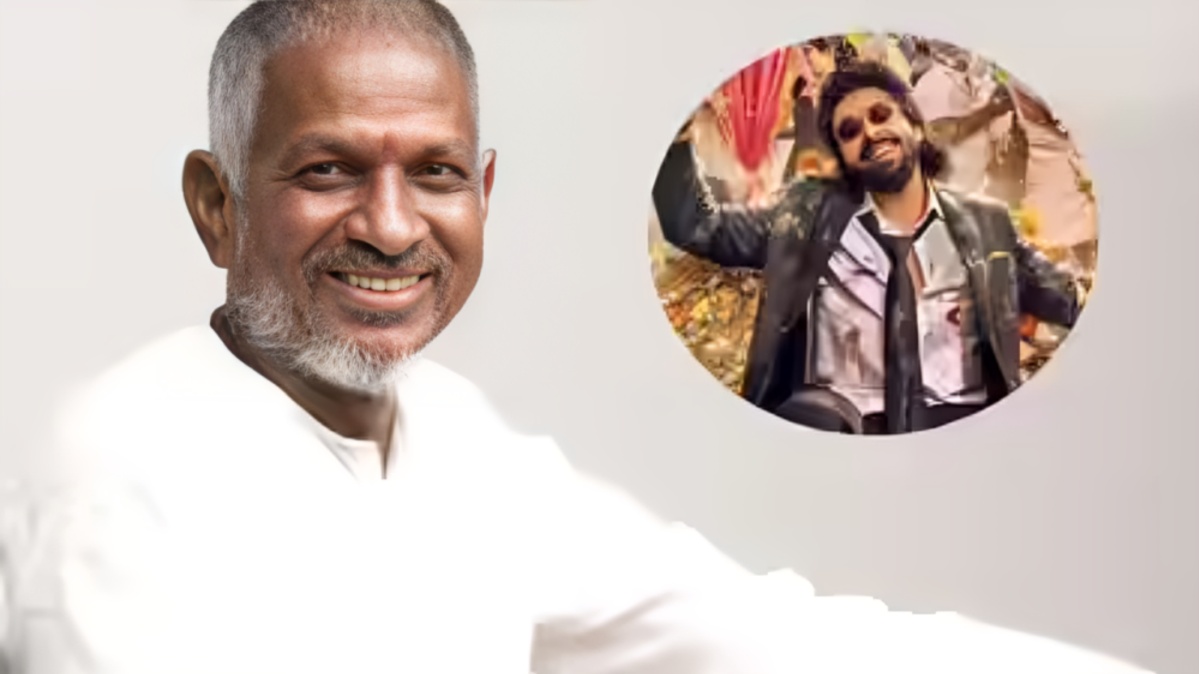
The Madras High Court has granted interim relief to legendary music composer Ilaiyaraaja in a copyright dispute involving the upcoming Tamil film Happy Raj. The court restrained the makers of the film from using one of Ilaiyaraaja's songs after the composer alleged that his copyrighted musical work had been included in the film without obtaining the required legal authorisation.
According to court proceedings, Ilaiyaraaja approached the Madras High Court seeking protection of his intellectual property rights. The composer contended that one of his well known songs had been used in Happy Raj without his consent or a valid licence. He requested the court to prevent the unauthorised use of the composition until the legal issues were resolved.
After considering the submissions made during the hearing, the Madras High Court issued an interim order restraining the makers of Happy Raj from using the disputed song. The order is intended to preserve the rights of the parties while the matter remains under judicial consideration. The case will continue before the court for further hearings, where both sides will have an opportunity to present additional arguments and evidence.
Happy Raj, starring actor and music composer GV Prakash Kumar along with Abbas, has attracted attention ahead of its release. However, the ongoing legal dispute concerning the use of the song has become a significant development surrounding the film. The producers have not publicly disclosed further details regarding the legal proceedings following the court's interim order.
Ilaiyaraaja has consistently asserted his copyright over his original musical compositions and has previously initiated legal action in cases involving the alleged unauthorised use of his works. The composer has maintained that creators should retain control over the commercial use of their intellectual property and that proper licences must be obtained before reproducing or incorporating copyrighted music into films, advertisements, or other media.
Copyright law in India provides legal protection to original literary, artistic, musical, and dramatic works. The Copyright Act, 1957 grants creators exclusive rights over the reproduction, adaptation, communication, and commercial use of their works. Any person or organisation intending to use copyrighted material is generally required to obtain permission or a valid licence from the rights holder unless a statutory exception applies.
Legal experts observe that disputes involving copyrighted music have become increasingly common with the growth of digital platforms and multiple distribution channels. Courts often issue interim injunctions to prevent the continued use of disputed material until the ownership and licensing issues are fully examined during trial.
The entertainment industry has witnessed several copyright cases in recent years, reinforcing the importance of protecting intellectual property rights while ensuring compliance with licensing requirements. Such judicial decisions also serve as reminders for filmmakers, producers, and music companies to complete all necessary legal formalities before releasing creative content.
The Madras High Court's interim order does not determine the final outcome of the dispute. The matter remains pending before the court, and any final decision will depend on the evidence, contractual documents, and legal submissions presented by the parties during subsequent hearings. Until then, the interim restraint will remain subject to the directions issued by the court.
The case underscores the continuing significance of copyright protection in India's entertainment industry and highlights the legal responsibilities associated with the use of original musical works in commercial productions.