Prabhas’ Fauzi Faces Controversy as Netaji’s Grandnephew Demands Apology Over Historical Portrayal
Prabhas’ upcoming period action film Fauzi has come under criticism following the release of its teaser, which has sparked a debate over the portrayal of freedom fighter Netaji Subhas Chandra Bose. Chandra Kumar Bose, Netaji’s grandnephew, has accused director Hanu Raghavapudi of distorting historical facts and called for an apology from the filmmaker and the team behind the film.
The controversy centres on a sequence depicting Netaji interacting with Adolf Hitler and discussing the fictional character played by Prabhas. Chandra Kumar Bose and several social media users have questioned whether the scene presents the historical leader in the right context. The teaser was released on October 23, coinciding with Prabhas’ birthday. The film is scheduled to arrive in theatres on March 19, 2027.
Why Is Fauzi Facing Criticism?
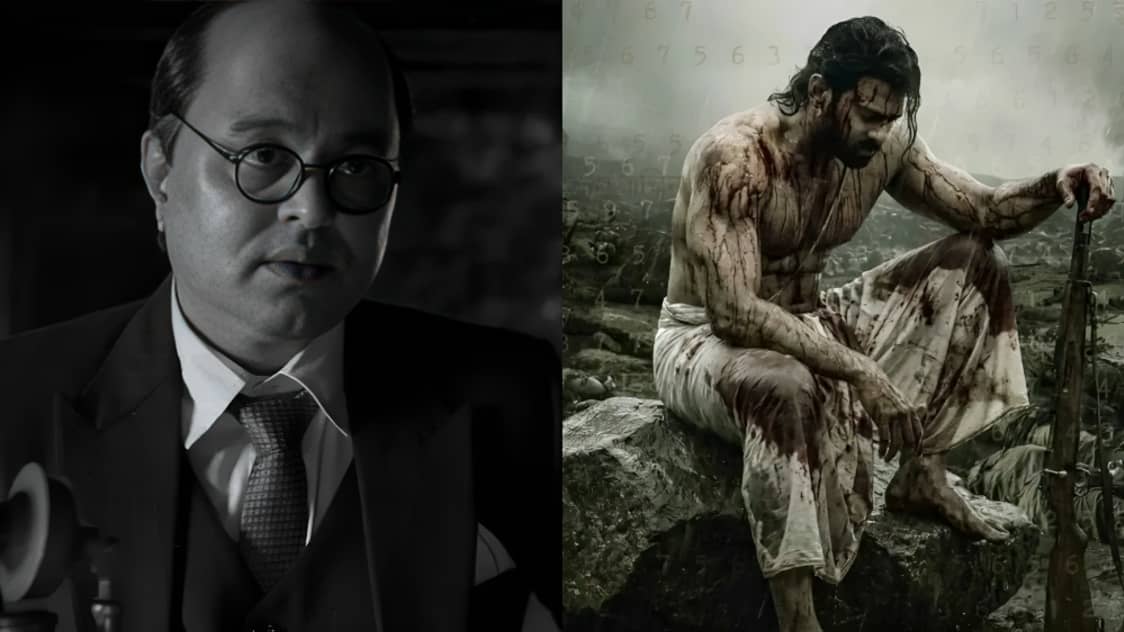
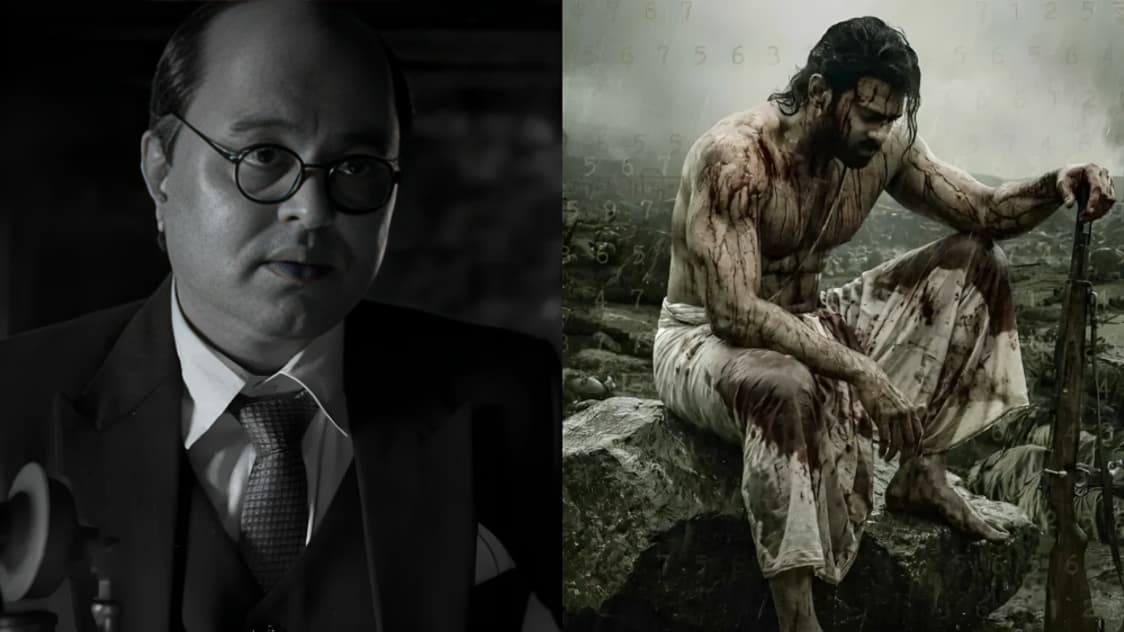
The teaser introduces a story set during the period of India’s struggle for independence. It opens with a depiction of Netaji Subhas Chandra Bose meeting German dictator Adolf Hitler during the Second World War. In the sequence, Netaji speaks about the abilities of Prabhas’ character, who is presented as an Indian operative fighting against British rule.
The scene has prompted criticism from viewers who believe that the historical figure is being used primarily to establish the importance of the film’s fictional protagonist. Some have questioned whether the dialogue gives excessive attention to the hero while reducing the prominence of Netaji’s role in the freedom struggle.
The criticism is based on the teaser’s portrayal, rather than the complete film. As Fauzi has not yet been released, the full narrative and the context of the scene remain to be seen.
Chandra Kumar Bose Demands an Apology
Chandra Kumar Bose has strongly objected to the portrayal and argued that filmmakers should exercise care when depicting national figures. Speaking to IANS, he said creative freedom should not come at the cost of historical accuracy.
He alleged that the teaser presents a misleading picture of Netaji’s interaction with Hitler and diminishes the freedom fighter’s stature. Bose also criticised what he viewed as the sensational treatment of a historically significant meeting.
He called on Hanu Raghavapudi to apologise to the people of India and those who respect the country’s freedom movement. In a post on social media, Bose also urged the filmmaker and the production team to withdraw the teaser and release a revised version that does not distort history.
The filmmakers’ response to these demands is an important development to watch. At the time of the reports cited here, the controversy was being driven by Bose’s criticism and reactions to the teaser. Any claim that the makers have accepted the demand or announced changes should be supported by an official statement.
The Historical Context of Netaji’s Meeting With Hitler
Netaji Subhas Chandra Bose sought international support for India’s independence during the Second World War. His dealings with Germany and Japan have remained subjects of historical discussion because he attempted to use the international conflict to challenge British colonial rule in India.
According to Chandra Kumar Bose, Netaji approached Hitler in pursuit of support for the Indian freedom movement. He stressed that this effort should not be interpreted as an endorsement of fascism. Bose said Netaji opposed fascism and believed in democracy and people’s democratic rights.
He also argued that Netaji dealt with Hitler as an equal and maintained his own position while seeking assistance for India. According to his account, the historical context and Netaji’s objectives should be reflected accurately when his interactions with foreign leaders are represented on screen.
The debate surrounding Fauzi therefore raises a broader question about how cinema presents complicated historical episodes. A scene can use real people and events as part of a fictional narrative, but audiences may expect the distinction between documented history and invented dialogue to be handled carefully.
Creative Freedom and Historical Responsibility
Historical dramas frequently combine real events with fictional characters, imagined conversations and dramatic sequences. Such storytelling can introduce historical periods to a wider audience, but it can also lead to disagreement when the portrayal of real people differs from viewers’ understanding of the historical record.
In Fauzi, the disputed sequence appears intended to introduce Prabhas’ character as a significant figure in the fight against British rule. However, critics argue that using Netaji to praise the fictional hero risks shifting attention away from the freedom fighter’s own historical importance.
The debate does not establish that every part of the film is historically inaccurate. The criticism currently centres on the teaser and the way it presents the interaction between Netaji, Hitler and the protagonist. The completed film may provide further context, although that remains uncertain before its release.
A balanced assessment will require distinguishing between verified historical events, fictionalised dialogue and creative choices made for dramatic effect. The makers have not been shown here to have provided a detailed public explanation addressing every objection raised by Bose.
Social Media Reactions Add to the Debate
The teaser has also prompted a range of reactions online. Some viewers have criticised the scene for appearing to elevate Prabhas’ fictional character through a conversation involving Netaji. Others have questioned the dialogue and the way the historical meeting is presented.
Some fans, however, have defended the project, arguing that Fauzi is a fictionalised period drama and should be judged in the context of its full story. These differing reactions illustrate the debate over the boundaries between historical fiction and factual representation.
Online comments reflect individual opinions and should not be treated as evidence of a unanimous public response. The most clearly documented criticism is Chandra Kumar Bose’s demand for an apology and his objection to the teaser’s historical framing.
What Is Fauzi About?
Written and directed by Hanu Raghavapudi, Fauzi is a period war-action film starring Prabhas. The story features a fictional Indian soldier or operative fighting British rule against the backdrop of the independence movement. The film is backed by Mythri Movie Makers and presented by T-Series Films.
The teaser was unveiled on October 23, 2026, to coincide with Prabhas’ birthday. The film is scheduled for a theatrical release on March 19, 2027, according to published reports.
The project has attracted attention for its period setting and its use of historical figures alongside a fictional central character. The current controversy, however, has shifted part of the discussion towards the responsibility filmmakers have when depicting people associated with India’s freedom struggle.
What Happens Next?
The controversy surrounding Fauzi highlights the challenge of balancing creative storytelling with historical sensitivity. Chandra Kumar Bose has demanded an apology and urged the makers to reconsider the teaser’s portrayal of Netaji. The film’s team may face further questions about the scene as public discussion continues.
Until an official response or revised teaser is announced, the allegations should be attributed to Bose rather than presented as an independently established finding. The full film has yet to be released, and its complete treatment of the historical setting remains unknown.
For now, Fauzi has become a subject of debate not only because of Prabhas’ role but also because of the questions raised about the depiction of Netaji Subhas Chandra Bose. The response from the director and producers, along with the film’s eventual release, will help clarify how the controversy develops.