Cyclone Arnab Intensifies Into Very Severe Cyclonic Storm, Moves Towards Andhra Pradesh Coast
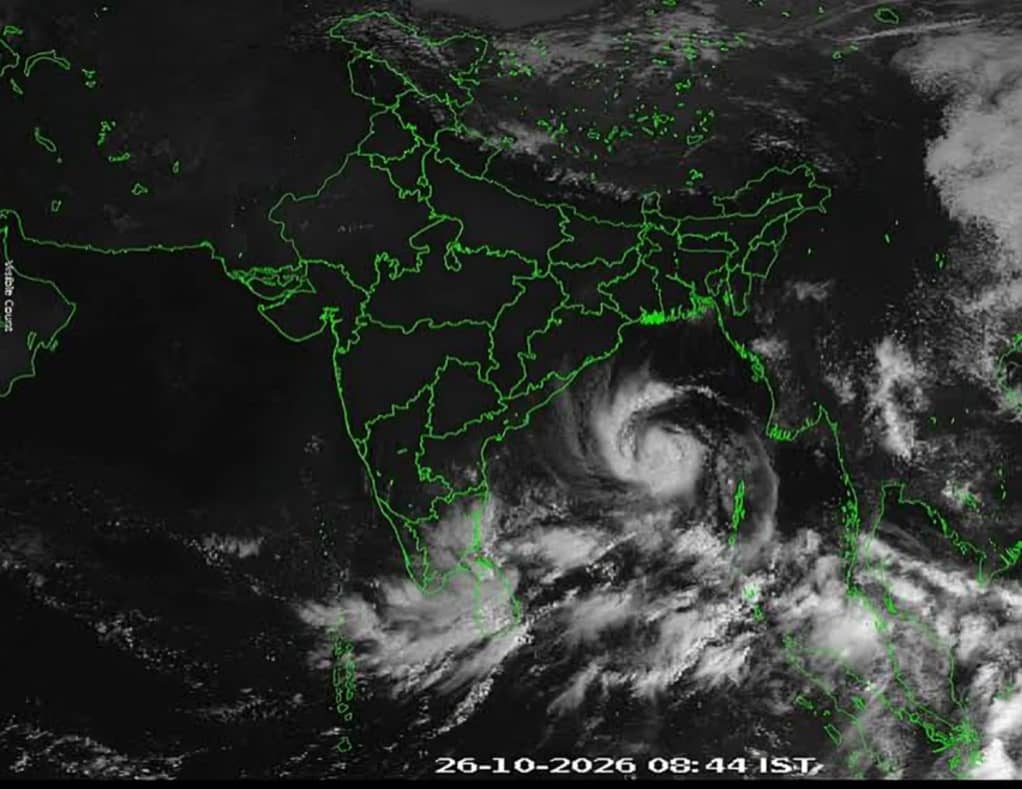
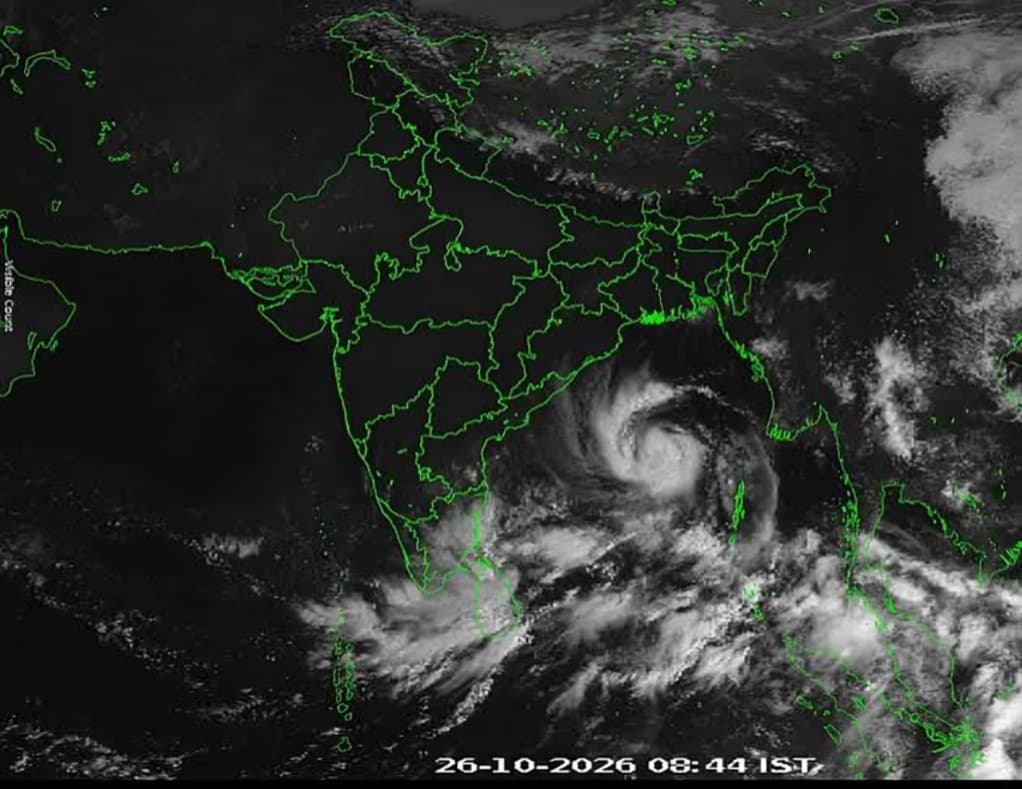
Cyclone Arnab has intensified into a very severe cyclonic storm over the west-central Bay of Bengal, raising concerns along the Andhra Pradesh coast and adjoining parts of Odisha. The India Meteorological Department has forecast that the system will continue moving towards the coast and is likely to make landfall between Bapatla and Visakhapatnam, close to Yanam, by the forenoon of October 28.
The storm has strengthened as it moves across the Bay of Bengal. Weather authorities are monitoring its position, movement and intensity, while state administrations are preparing for heavy rainfall, strong winds and possible coastal flooding in vulnerable areas.
Cyclone Arnab's Current Position and Movement
According to the India Meteorological Department's latest bulletins issued on October 27, Cyclone Arnab is over the west-central Bay of Bengal and has intensified from a severe cyclonic storm into a very severe cyclonic storm.
The system has been moving westwards and west-northwestwards. Its recorded movement speed has varied between bulletins as the storm has progressed. The direction and speed of a cyclone can change, so the latest official forecast should be followed for updated information.
The IMD expects Arnab to continue moving west-northwestwards until the evening of October 27 before turning northwestwards towards the Andhra Pradesh and Yanam coast. Its projected landfall zone lies between Bapatla and Visakhapatnam, near Yanam in the Union Territory of Puducherry.
The exact location and timing of landfall may change as new observations become available. Residents in coastal and low-lying areas should therefore follow warnings issued by the IMD and local administrations rather than relying on unofficial forecasts.
Wind Speeds and Expected Impact
The IMD has forecast maximum sustained wind speeds of 115 to 125 kilometres per hour when Cyclone Arnab crosses the coast, with gusts potentially reaching 140 kilometres per hour.
Winds of this strength can damage temporary structures, uproot trees, bring down power lines and disrupt road transport. Strong winds combined with heavy rainfall can also affect communication services and essential infrastructure.
The storm is expected to bring widespread rainfall to parts of coastal Andhra Pradesh and adjoining south Odisha. Some areas may experience heavy to very heavy rainfall, depending on the cyclone's track and intensity. Localised flooding and waterlogging are possible in low-lying locations, while rough seas could make coastal activities dangerous.
The IMD has also warned of a possible storm surge along parts of the Andhra Pradesh coast. Its coastal bulletin indicated that sea water could inundate low-lying areas near the time of landfall, particularly around Kakinada and Yanam. Residents in vulnerable coastal settlements should follow evacuation instructions from local authorities.
Andhra Pradesh and Odisha Step Up Preparedness
Authorities in Andhra Pradesh and Odisha have intensified preparations as the cyclone approaches. According to the government briefing released on October 26, the National Crisis Management Committee reviewed the preparedness measures being taken by the affected states and the Union Territory of Puducherry.
State administrations have been coordinating with district officials, activating control rooms and preparing shelters and evacuation arrangements where required. National and State Disaster Response Force teams have been kept on standby to assist with rescue operations and emergency relief.
District administrations are expected to monitor vulnerable locations, arrange assistance for residents who may need to move to safer areas and prepare for possible interruptions to transport, electricity and communication services.
The scale of any impact will depend on the storm's final track, intensity and rainfall distribution. Residents should follow instructions from district authorities and avoid travelling through flooded roads or entering areas affected by strong winds.
Fishermen and Coastal Residents Advised to Exercise Caution
The IMD has advised fishermen not to venture into the southwest and adjoining central Bay of Bengal, or along and off the coasts of Andhra Pradesh, Odisha and Yanam, during the warning period from October 26 to 29.
Rough seas and strong winds can endanger fishing boats and other vessels. Fishermen already at sea should follow official maritime safety instructions and return to safe harbour when advised. Coastal residents should also stay away from beaches, exposed shorelines and flooded low-lying areas during severe weather.
People living in vulnerable houses or near the coast should keep essential medicines, drinking water, charged mobile phones and important documents ready in case evacuation becomes necessary. They should not spread unverified information about the cyclone's path or intensity.
What Residents Should Watch For
Cyclone forecasts can change as the system approaches land. Residents should check the latest IMD bulletins and official announcements from state disaster management departments and district administrations.
The most important developments to monitor are the cyclone's position, expected landfall time, wind speed, rainfall warnings, sea conditions and any evacuation instructions. Information from official agencies should take priority over social media messages or speculative forecasts.
Cyclone Arnab is expected to cross the Andhra Pradesh coast as a very severe cyclonic storm by the morning of October 28, according to the current IMD forecast. With strong winds, heavy rainfall and possible coastal inundation posing risks, timely warnings and adherence to safety instructions will be essential in the coming hours.
The storm's precise path and local effects may change. Residents across coastal Andhra Pradesh, south Odisha and Yanam should remain alert and follow updated guidance from authorised weather and disaster management agencies.