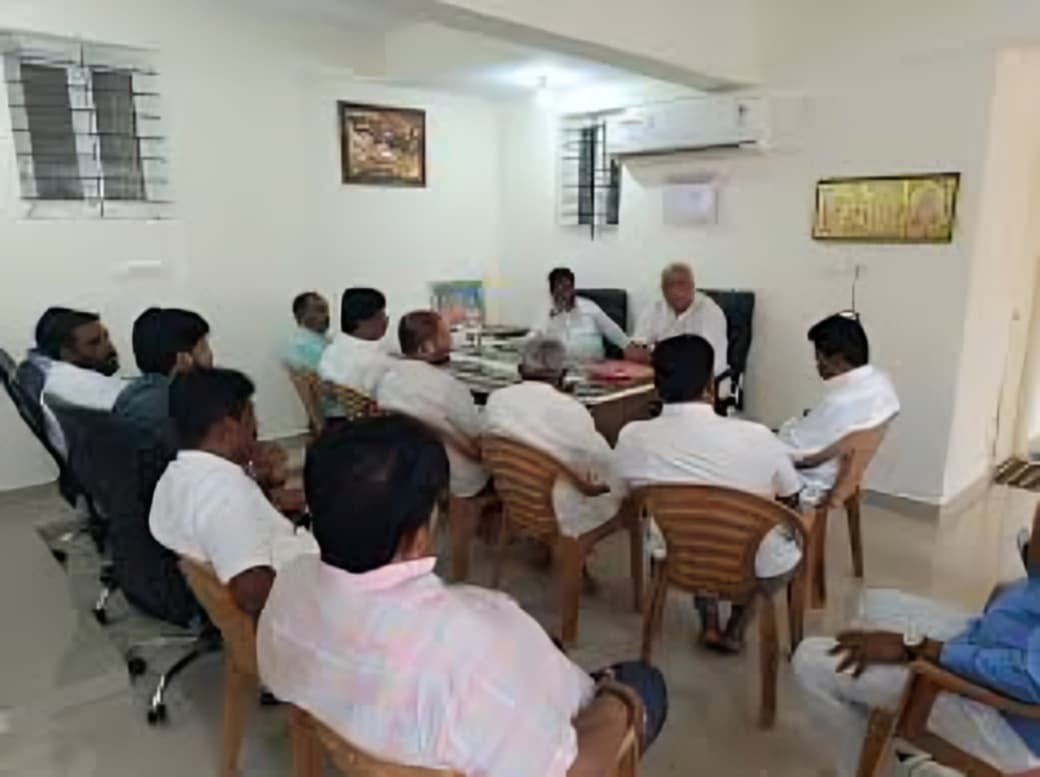
The Dravida Munnetra Kazhagam (DMK) has expressed gratitude to the central government for issuing a commemorative coin in honor of the late M. Karunanidhi, marking the centenary of the former Tamil Nadu Chief Minister’s birth. The party acknowledged this gesture as a fitting tribute to Karunanidhi’s significant contributions to Tamil Nadu’s political and social landscape.
The centenary coin, released to celebrate Karunanidhi's legacy, recognizes his influential role in shaping Tamil Nadu’s development and his contributions to the DMK party. The issuance of the coin is seen as a symbol of respect for Karunanidhi’s enduring impact on the state and the broader Indian political sphere.
However, despite this acknowledgment, the DMK has also voiced strong criticism regarding the central government’s budget allocations for Tamil Nadu. The party has raised concerns about what it perceives as neglect in the recent federal budget, arguing that the allocation for Tamil Nadu falls short of addressing the state’s needs and developmental requirements.
DMK leaders have highlighted several areas where they believe the budget has failed to adequately support Tamil Nadu’s growth. They argue that crucial projects and initiatives vital for the state’s development have not received the necessary financial backing. This perceived budgetary neglect is seen as a significant issue that impacts the state’s ability to implement key programs and infrastructure projects.
The party's criticism underscores a broader dissatisfaction with how central funds and resources are distributed among states. The DMK has called for a reassessment of the budgetary provisions to ensure that Tamil Nadu receives its fair share of funding and support.
In summary, while the DMK has expressed appreciation for the Karunanidhi centenary coin as a mark of honor, it continues to push for better financial support and attention from the central government to address the state’s developmental needs. The party’s dual stance highlights the complexities of state-central relations and the ongoing debates over budget allocations and regional development.