The tragic death of student Angel Chakma in Dehradun has sparked renewed demands for stronger anti-racial legislation in India. Angel, a young student from Tripura, was brutally assaulted on December 9 in Dehradun under circumstances alleged to involve racial discrimination. He was admitted to a hospital following the attack but succumbed to his injuries on December 26, prompting widespread outrage and calls for justice.
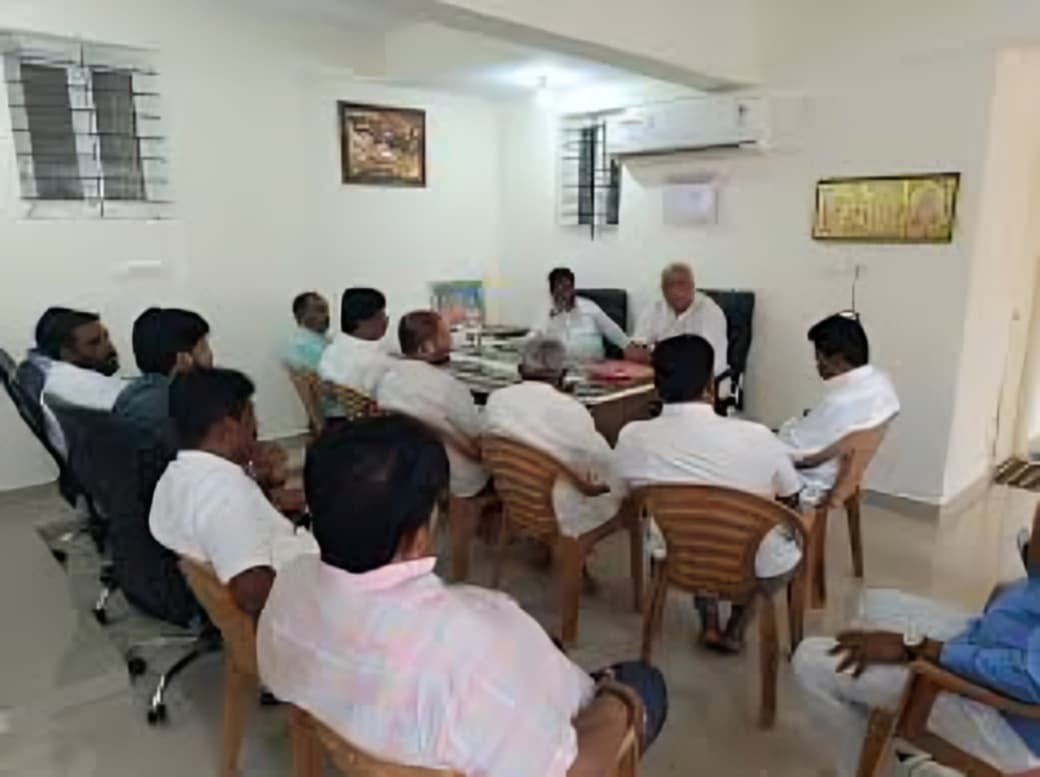
In response, the Tipra Motha Party has urged the central government to immediately enact a comprehensive anti-racial law. Party leaders highlighted that the current legal framework is inadequate to address racially motivated attacks and safeguard vulnerable communities. According to the party, incidents like Angel Chakma’s death underline the urgent need for strict and specific legislation targeting racial violence, hate crimes, and systemic discrimination.
Tipra Motha emphasized several key measures that should form the basis of such legislation. These include severe punishment for perpetrators of racial attacks, swift legal proceedings, and protection mechanisms for victims and witnesses. Additionally, the party called for awareness campaigns at the national level to sensitize citizens and law enforcement authorities about racial equality and social harmony. The party stressed that preventive strategies, including educational programs and community engagement, are crucial to reducing incidents of racial violence.
The party also criticized delays in investigation and accountability mechanisms in existing cases of racial violence. They argued that without comprehensive laws, communities at risk continue to face threats, harassment, and injustice. In this context, the death of Angel Chakma has become a rallying point for calls to strengthen legislation and ensure effective enforcement of anti-discrimination measures.
Civil society organizations, student groups, and human rights activists have also joined the call for reform. Many highlight that India’s diversity makes the protection of minority communities a critical responsibility of the state. Ensuring equality before the law and implementing specific safeguards against racial violence is seen as essential for maintaining social cohesion and national harmony.
Law enforcement authorities in Uttarakhand have launched an investigation into the attack on Angel Chakma. Tipra Motha and other groups have urged authorities to expedite the probe, provide transparent updates, and ensure that justice is delivered promptly. They also demand compensation for the victim’s family and assurances that such attacks will be prevented in the future.
The incident has reignited debates about the necessity of codifying anti-racial laws in India. Advocates argue that while constitutional protections exist against discrimination, specific penal provisions targeting racial and ethnic violence are missing. Comprehensive legislation would fill this gap, making it possible to punish offenders effectively and deter future incidents.
In conclusion, the death of Angel Chakma has highlighted systemic gaps in protecting vulnerable communities from racial violence. The Tipra Motha Party’s demand for a dedicated anti-racial law aims to ensure justice, accountability, and preventive measures. Prompt action from the central government, combined with social awareness campaigns and legal safeguards, is seen as critical to protecting citizens and upholding equality in India.