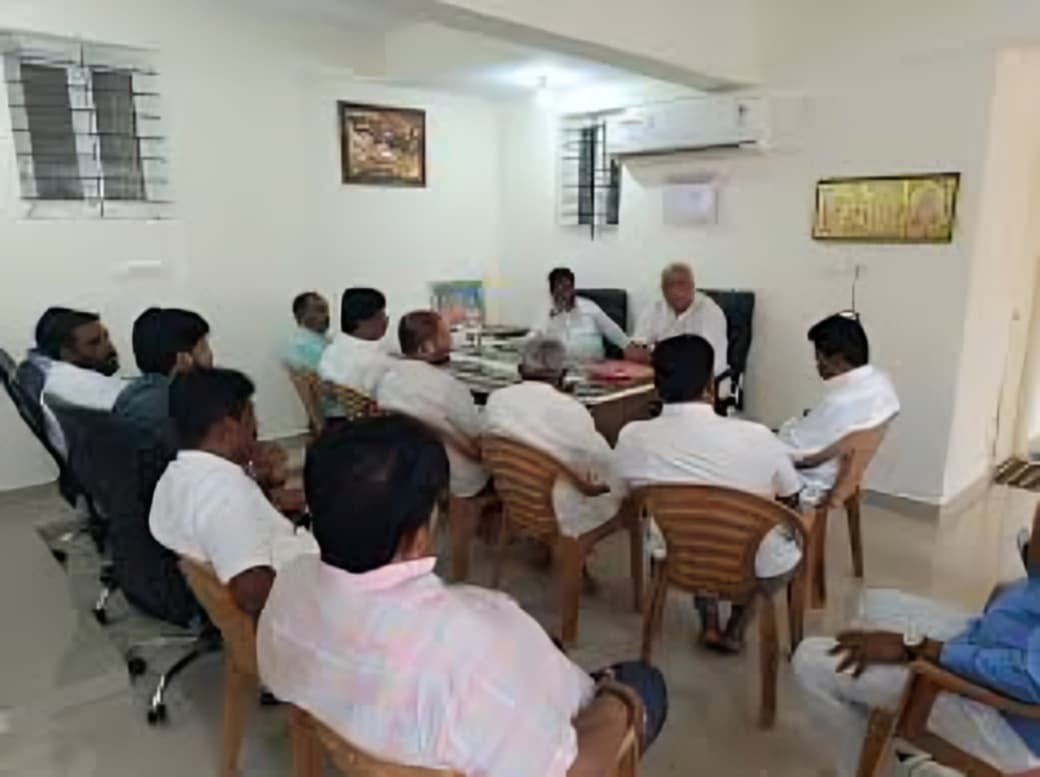
In Tiruppur, the Sri Vaari Trust undertook the task of preparing 108,000 laddus for the Vaikunta Ekadashi festival. This annual event is celebrated with great enthusiasm at the Sri Veer Raghavaperumal Temple, where devotees gather to seek the blessings of the deity. The preparation of the laddus began with devotion on the day before the festival and was carried out under the supervision of the trust’s administrators.
Vaikunta Ekadashi is a significant day in the Hindu calendar, and every year, after having darshan of the deity, devotees are offered prasadam, including the famous laddus, as a part of the temple’s religious services. This year, the Sri Vaari Trust prepared a total of 108,000 laddus to be distributed to devotees on this special occasion. The festival commenced on December 30 with daily rituals, and the grand opening of the Paramapatha Vasal (Heavenly Gate) is scheduled for January 10, during which the deity will be paraded on a Garuda vahana (vehicle).
The preparation of the laddus took place in the Kamatciamman Marriage Hall, where over 25 chefs from various parts of the region gathered to prepare the prasadam. The process involved making the dough with ingredients like gram flour, sugar, and a mixture of ghee, cashews, raisins, and cardamom. The chefs skillfully mixed these ingredients and shaped the laddus with utmost care and attention.
To make the 108,000 laddus, three tons of sugar, two tons of gram flour, and 150 tons of refined oil were used. Additionally, over 25 tons of ghee, cashews, raisins, and cardamom were part of the recipe. More than 200 devotees participated in the preparation, contributing to the effort with great devotion. The entire process was a part of the religious service and was initiated with special prayers.
The laddus prepared will be distributed to the devotees visiting the temple during the Vaikunta Ekadashi festival, which is a highlight of the temple's annual celebrations. The Sri Vaari Trust expressed that the preparation was not only a religious duty but also a way to offer a meaningful prasadam to the worshippers, symbolizing the blessings of the deity for the devotees.