Char Dham Yatra Helicopter Services Suspended as DGCA and Operators Remain Deadlocked Over Two Pilot Rule
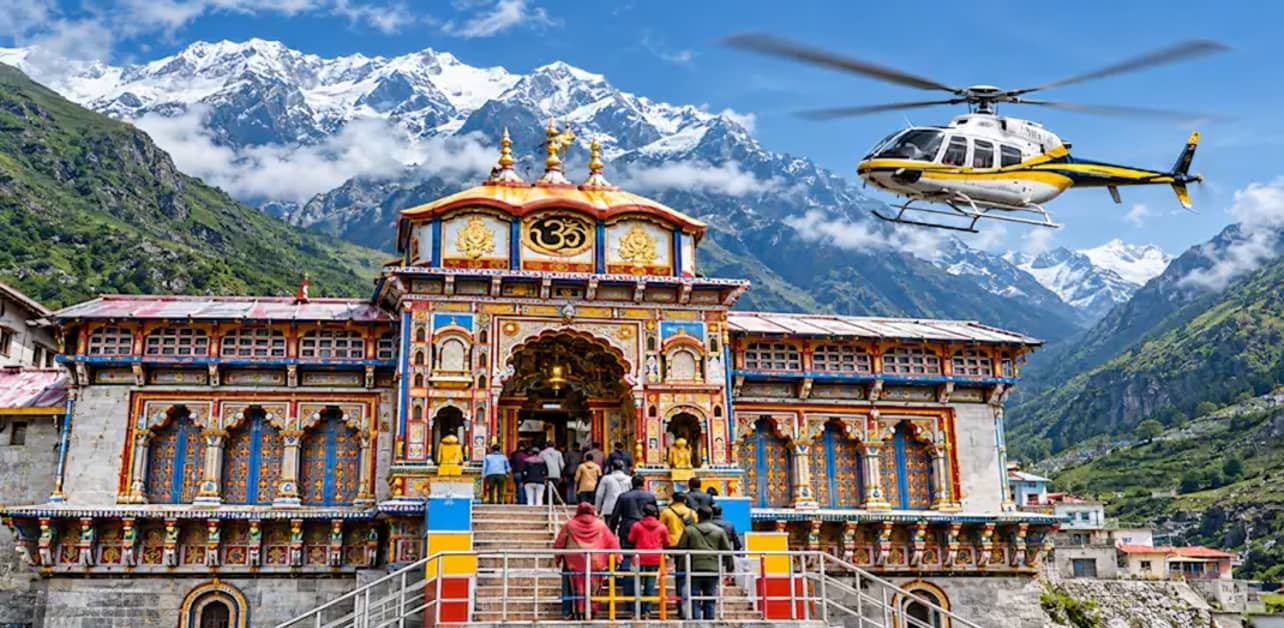
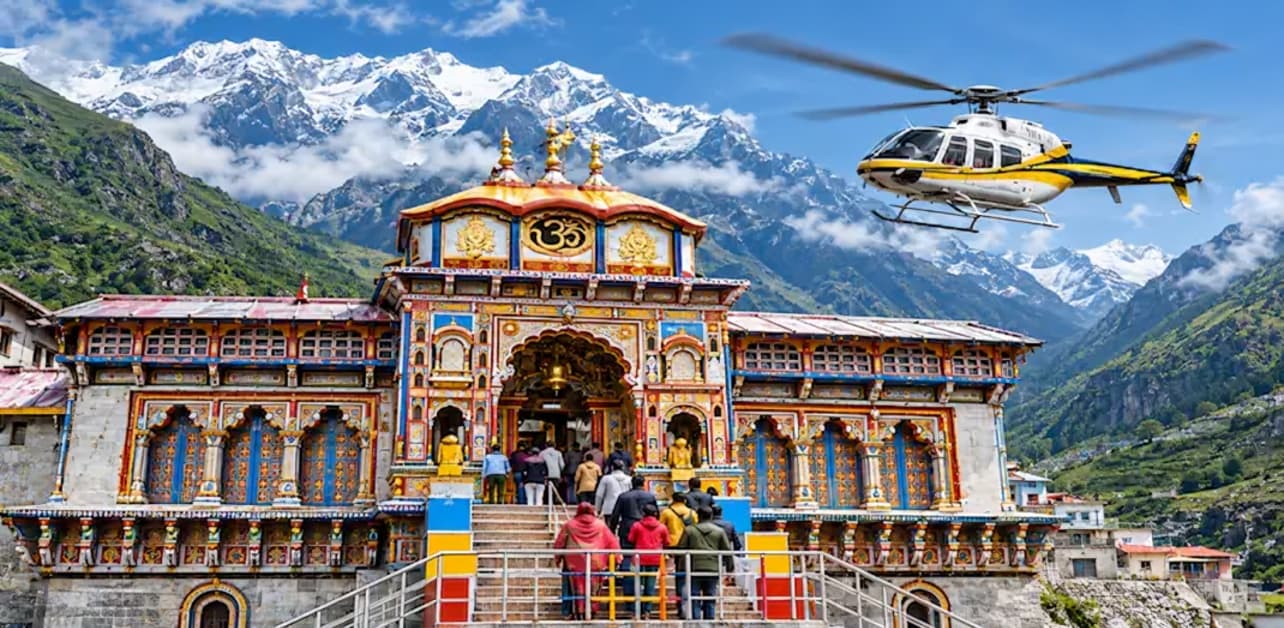
Helicopter services for the Char Dham Yatra in Uttarakhand have been suspended after private operators opposed a new aviation safety directive requiring two pilots on every charter flight. The disagreement has developed into a standoff between helicopter companies and the Directorate General of Civil Aviation, with operators demanding a review of the requirement.
The rule was introduced after a fatal helicopter crash near Badrinath on October 30, in which six people, including the pilot, lost their lives. The aviation regulator made a second pilot mandatory for helicopter operations on the Char Dham routes from November 2. Operators have argued that implementing the directive in its current form would make their services financially unviable.
A meeting involving helicopter operators, the DGCA and Uttarakhand aviation authorities took place as the dispute continued. However, no confirmed resolution had been announced in the latest reports, and helicopter services remained disrupted.
Why Have Char Dham Helicopter Services Been Suspended?
The suspension follows a collective decision by helicopter operators to oppose the mandatory two pilot requirement. In a representation submitted to the DGCA, 11 operators expressed their inability to accept the new rule in its present form.
They said that deploying two pilots on every charter flight would increase crew expenses, accommodation costs, logistical requirements and other operating expenses. They also argued that the existing charter pricing structure would not allow them to absorb the additional expenditure.
The operators requested the aviation regulator and the Uttarakhand Civil Aviation Development Authority to reconsider the directive and hold discussions with industry representatives. They said any additional safety requirements should be practical, financially sustainable and developed in consultation with the companies operating in the Himalayan region.
Following the disagreement, operators suspended their Char Dham charter services from November 2 until a mutually acceptable solution is reached.
What Is the DGCA Two Pilot Rule?
The Directorate General of Civil Aviation introduced the mandatory two pilot requirement for helicopter charter operations on the Char Dham routes after the October 30 accident.
Under the directive, every helicopter operating on these routes must carry two pilots. The second pilot must also have the necessary qualifications for flying in hilly terrain.
The regulator has introduced additional operational requirements alongside the two pilot rule. Helicopter crews must obtain destination and en route clearance from the control room at Sahastradhara in Dehradun before taking off for each flight sector.
Pilots are also required to submit a Pilot Report after landing at every destination helipad. These reports are intended to provide information about weather conditions and other operational factors encountered during the journey. The information can help crews preparing for subsequent flights assess conditions along the route.
The measures are aimed at strengthening operational monitoring and improving safety during helicopter movements in the challenging Himalayan environment.
Why Are Helicopter Operators Opposing the Rule?
The operators have raised concerns about the financial and technical implications of deploying two pilots on helicopters currently used for the pilgrimage routes.
According to the companies, several helicopters operating in the sector, including Airbus AS350 or H125 and Bell 407 models, are certified for single pilot operations. Operators argue that changing the crew arrangement could create difficulties involving aircraft capacity, operating procedures and commercial viability.
Many of the helicopters used for these services typically carry one pilot and up to six passengers, depending on the aircraft and operating conditions. Operators say accommodating a second pilot could reduce the number of available passenger seats. This would affect revenue from every flight while also increasing crew-related expenses.
The companies have also pointed to the cost of hiring additional pilots, arranging accommodation and managing crew schedules in remote Himalayan locations. They argue that finding enough experienced mountain pilots at short notice could be difficult.
Operators have maintained that they are not opposed to aviation safety improvements. Their objection is specifically to implementing the twin pilot requirement without adequate consultation and an assessment of its technical and financial impact.
They have asked the authorities to consider an alternative safety framework that addresses operational risks without making the services commercially unsustainable.
October 30 Badrinath Helicopter Crash
The dispute began after a helicopter operated by Trans Bharat Aviation crashed near Chhai village in the Joshimath area of Chamoli district on October 30.
The helicopter was returning from Badrinath towards Dehradun when it crashed. All six people on board, including the pilot and five passengers, died in the accident.
The aircraft lost communication while flying through the Joshimath valley. Search and rescue teams were deployed after the helicopter's tracking information stopped transmitting. The wreckage was later located near Chhai village, and authorities recovered the bodies of all six occupants.
The accident renewed concerns about helicopter safety in Uttarakhand, where aircraft are regularly used to transport pilgrims to high altitude shrines.
Following the crash, the DGCA introduced stricter operational requirements for helicopter services in the Char Dham sector. The fleet of Trans Bharat Aviation was also grounded as a precautionary measure, while the accident investigation proceeded.
The two pilot directive was introduced as part of the regulator's response to the safety concerns raised by the accident.
Services Disrupted During the Final Phase of the Pilgrimage
The suspension has created difficulties for pilgrims who had booked helicopter services for the final phase of the Char Dham Yatra season.
According to reports, helicopter operators have stopped flying pilgrims from Dehradun towards the shrines, although some helicopters have continued to transport pilgrims back from the pilgrimage destinations. This limited movement is intended to help people already at the shrines return safely.
The timing of the disruption is significant because the four shrines are scheduled to close for the winter season during November. Gangotri is scheduled to close on November 10, while Kedarnath and Yamunotri are scheduled to close on November 11. Badrinath is expected to close on November 16.
With the pilgrimage season approaching its end, the suspension could affect travellers who had planned to use helicopter services to reach the shrines before the winter closures.
Passengers with confirmed bookings may need to contact their respective operators regarding cancellations, refunds or alternative travel arrangements. Travellers should also check official updates before beginning their journey.
Meeting Between DGCA and Operators
Discussions have taken place between representatives of helicopter companies, the DGCA and Uttarakhand aviation authorities to address the disagreement.
Operators have asked the regulator to reconsider the two pilot requirement and develop a workable arrangement that takes aircraft certification, pilot availability and operating conditions into account.
The authorities, meanwhile, have emphasised the need to maintain safety standards following the fatal accident. The new requirements also include advance flight clearances and post-flight weather reporting, which are intended to improve monitoring of helicopter movements.
However, the dispute remained unresolved in the latest reports, and services continued to face disruption on November 2.
A mutually acceptable decision is important for both passenger safety and the continuation of helicopter services during the remaining days of the pilgrimage season.
Safety Concerns in the Himalayan Region
Helicopter operations in Uttarakhand involve difficult flying conditions because of high altitude, mountainous terrain and rapidly changing weather. Visibility, wind conditions and the availability of suitable landing areas can influence flight operations.
Operators have argued that safety improvements should also address weather monitoring, communication systems, flight tracking and infrastructure at helipads. They say these measures should be considered alongside crew requirements.
The DGCA's latest directive adds another layer of oversight through mandatory destination clearances and pilot reports. These measures are intended to improve information sharing between crews and the control room.
The final approach to improving safety will depend on how the regulator and operators address the technical, operational and financial concerns raised during the discussions.
What Happens Next?
The immediate priority is to resolve the disagreement between the aviation regulator and helicopter companies while ensuring that passenger safety remains central to any decision.
If the two pilot requirement remains unchanged, operators will have to assess whether they can meet the staffing and operational conditions. If the authorities consider modifications, a revised framework may help restore services, subject to regulatory approval.
For pilgrims, the suspension means that helicopter travel to the Char Dham shrines may not be available until the dispute is resolved. Passengers should rely on official announcements from the authorities and their service providers for the latest information.
The Char Dham helicopter disruption highlights the challenge of balancing aviation safety requirements with the practical realities of operating in high altitude regions. The outcome of further discussions between the DGCA, state authorities and operators will determine when normal charter services can resume.