
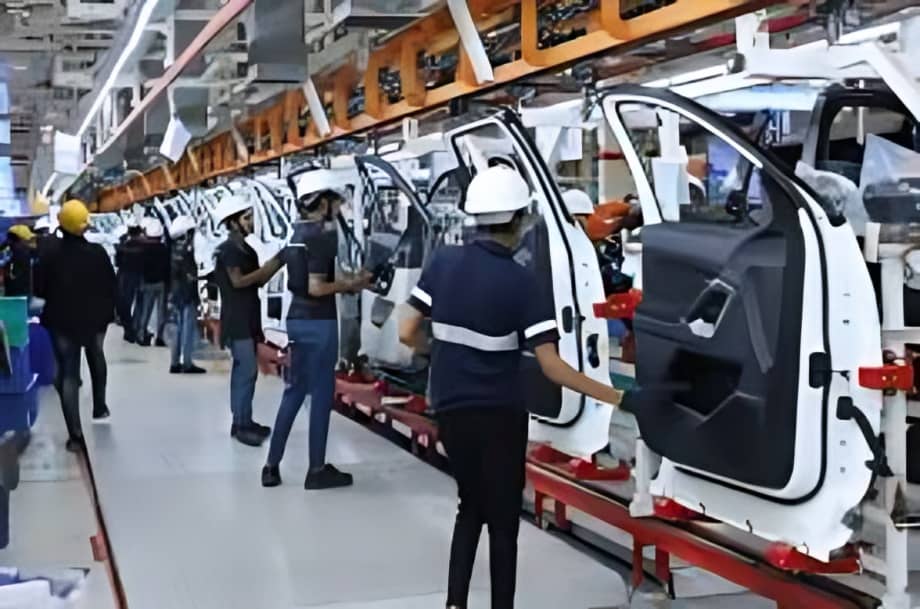
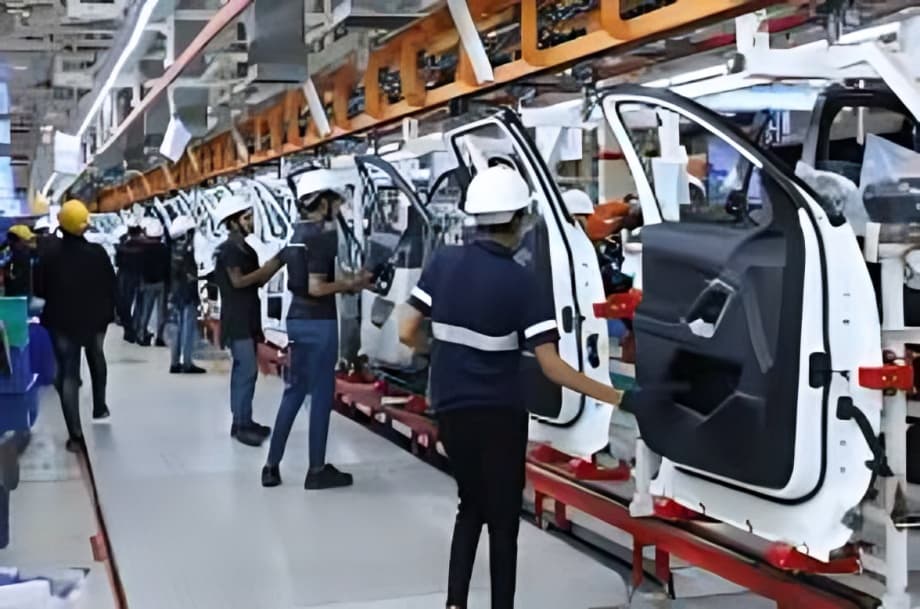
International Women Day has brought attention to the growing contributions of women in industries and professions that were traditionally dominated by men. Across India women are increasingly taking leadership roles in sectors such as manufacturing environmental conservation and public service. Two notable examples can be seen at the Tata Motors manufacturing plant in Pune and at the Corbett Tiger Reserve in Uttarakhand.
At the Tata Motors facility in Pune an all women assembly line has become a symbol of progress in the automobile industry. More than 1500 women employees are involved in assembling premium sport utility vehicles including the Harrier and Safari models. These vehicles are among the company most recognized products and require high levels of precision and quality during production.
The women working on the assembly line perform a wide range of tasks. Their responsibilities include equipment handling component assembly quality inspection and technical operations. Some teams are also involved in processes related to electric vehicle production. The initiative challenges the long held belief that factory shop floors are suitable only for male workers.
Company officials say the presence of women has strengthened teamwork discipline and attention to detail within the production process. Quality control is an essential part of vehicle manufacturing and every stage of the assembly line requires careful monitoring. According to plant management the involvement of women employees has contributed positively to maintaining high production standards.
Over the past three years gender diversity among technicians at the Pune plant has increased significantly. The number of women technicians has grown by nearly twenty seven percent reflecting the company effort to encourage equal opportunities in the workplace. Employees receive regular training sessions covering industrial technologies safety procedures and technical skills. Weekly training programs and mentorship support help workers address technical challenges and maintain productivity.
Employees also benefit from several workplace facilities including transportation services secure working environments and canteen services. Special safety arrangements are provided for employees working night shifts including security support and transportation to their homes.
While women are making significant contributions in manufacturing they are also playing an important role in environmental protection. At the Corbett Tiger Reserve in Uttarakhand women forest officers and staff members are actively involved in wildlife conservation and forest management.
Corbett Tiger Reserve is one of India most well known wildlife habitats and requires constant monitoring and protection. Women officers at the reserve are responsible for several important tasks including managing the tiger monitoring unit analyzing data collected from the forest and assisting with tourism management. The tiger monitoring system collects information about wildlife activity and movement across different forest zones which helps authorities plan conservation strategies.
Women forest staff also participate in field patrols across dense forest areas to monitor wildlife and prevent illegal activities such as poaching. These patrols often take place in remote and unpredictable terrain requiring physical endurance and careful coordination.
Forest department officials say the participation of women in conservation work has increased in recent years due to recruitment policies introduced by the state government. Women are now serving in various roles including forest guards foresters and supervisory officers within the reserve.
Many of these women balance demanding professional responsibilities along with family duties. Despite these challenges they continue to perform their roles with dedication and commitment to environmental protection.
The achievements of women in both manufacturing and conservation demonstrate the expanding opportunities available for women in modern India. Their work not only contributes to economic growth and environmental protection but also encourages younger generations to pursue careers in fields that were once considered inaccessible.
As industries and public institutions continue to promote gender inclusion the presence of women in diverse professional roles is expected to grow further in the coming years.


