ABCD of Heart Problems: Four Warning Signs You Should Never Ignore
Heart disease remains an important health concern, and recognising its warning signs can help people seek medical attention before a condition becomes more serious. Although chest discomfort is a well-known symptom of a heart attack, some people experience other symptoms, including breathlessness, unexplained fatigue, discomfort in the upper body and dizziness.
Medical experts emphasise that these symptoms should not automatically be attributed to stress, ageing or a lack of sleep. While they may have several causes, sudden, persistent or worsening symptoms require appropriate medical assessment.
A: Abnormal Breathlessness
Shortness of breath that appears unexpectedly or occurs during routine activities may indicate an underlying health problem. Heart conditions can affect the heart's ability to pump blood efficiently, potentially allowing fluid to accumulate in the lungs.
Some people may notice breathlessness while walking short distances, climbing stairs or lying flat. Others may experience difficulty breathing even while resting.
Breathlessness does not always indicate heart disease. Lung conditions, anaemia and other illnesses can produce similar symptoms. However, sudden or severe breathing difficulty, especially when accompanied by chest discomfort, sweating or faintness, requires emergency medical attention.
B: Body Discomfort Beyond the Chest
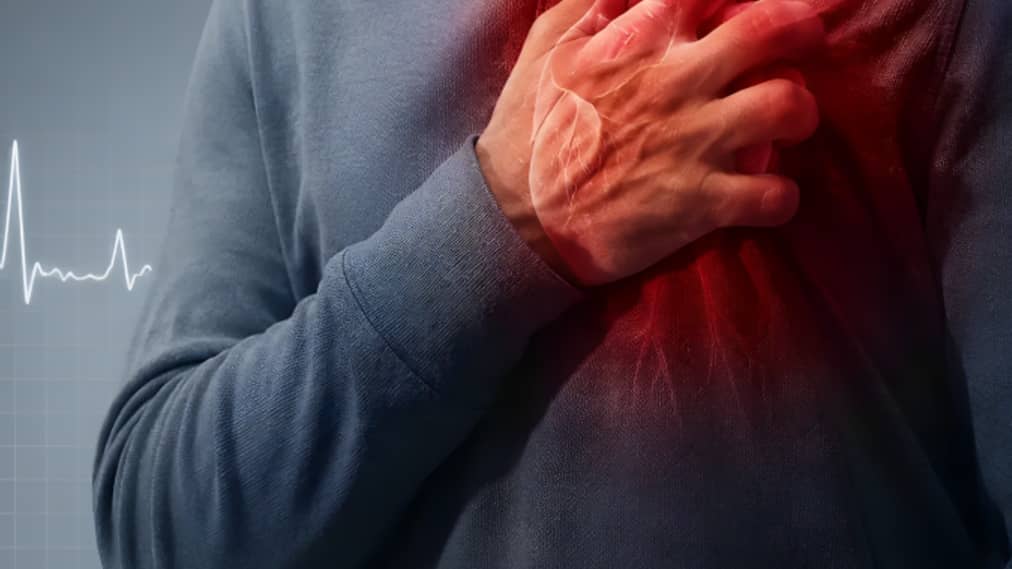
Heart attack symptoms are not always limited to the chest. Discomfort may spread to one or both arms, the shoulders, back, neck, jaw or upper abdomen.
Some people describe the sensation as pressure, heaviness, squeezing or an unusual ache rather than sharp pain. Symptoms may last several minutes or disappear and return.
Women, older adults and people with diabetes may sometimes experience less typical symptoms. The absence of severe chest pain does not rule out a heart attack.
Anyone experiencing unexplained upper-body discomfort alongside breathlessness, nausea or sweating should seek immediate medical assessment rather than waiting for the symptoms to disappear.
C: Continuous or Unusual Fatigue
Feeling tired after physical activity or a busy day is common. However, unusual fatigue that persists without a clear explanation may require attention, particularly when it represents a sudden change from a person's normal energy levels.
Some people with heart conditions report weakness, reduced exercise capacity or difficulty completing everyday tasks. Unusual fatigue can also occur before or during a heart attack, although it is not specific to heart disease.
If tiredness persists, worsens or occurs alongside breathlessness, chest discomfort or dizziness, consult a healthcare professional. Do not assume that rest alone will resolve the problem.
D: Dizziness, Faintness or Other Warning Signs
Dizziness, lightheadedness and fainting can occur when blood flow to the brain is temporarily reduced. In some cases, these symptoms may be associated with an abnormal heart rhythm or another cardiovascular problem.
A racing or irregular heartbeat, cold sweats, nausea and sudden weakness may also accompany serious heart conditions.
These symptoms have many possible causes, so a medical assessment is needed to determine the underlying reason. Sudden fainting, severe dizziness or symptoms accompanied by chest discomfort or breathing difficulty should be treated as an emergency.
When Should You Seek Medical Help?
Call emergency services immediately if you suspect a heart attack, particularly if you experience chest pressure, pain spreading to the arm or jaw, severe breathlessness, cold sweats or faintness. Do not delay treatment to see whether the symptoms improve, and do not drive yourself to hospital.
For symptoms that are mild but persistent, recurrent or worsening, arrange prompt medical evaluation. Doctors may recommend an electrocardiogram, blood tests or other investigations depending on the symptoms.
Protecting Your Heart Health
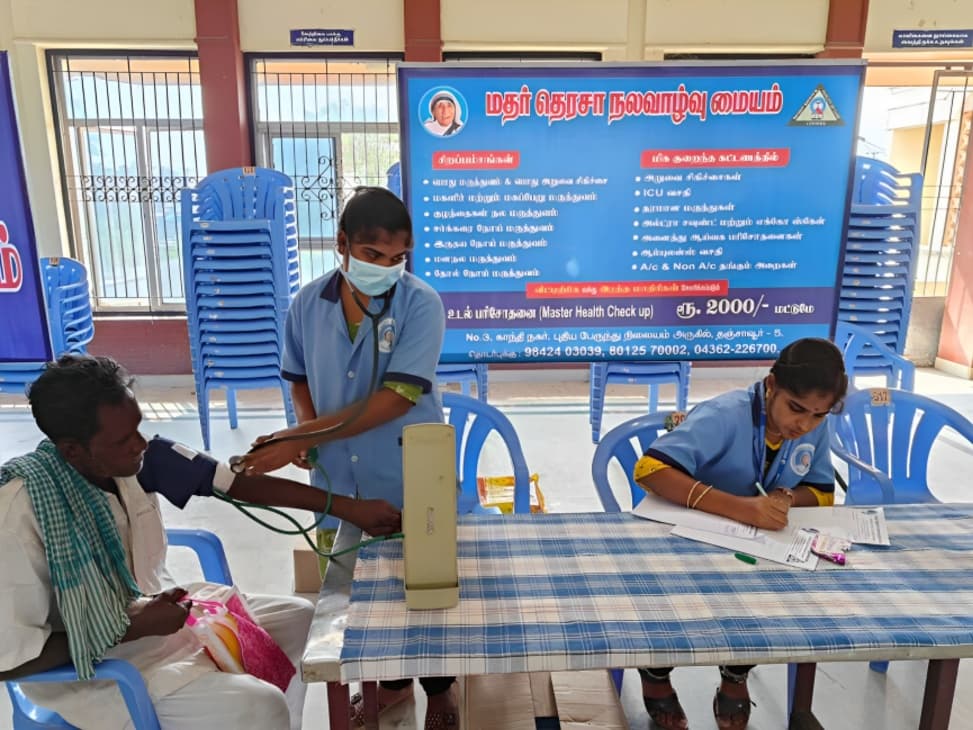
Regular physical activity, a balanced diet, avoiding tobacco, managing blood pressure and cholesterol, and controlling diabetes can help reduce cardiovascular risk. Routine medical check-ups are particularly important for people with existing risk factors.
Understanding warning signs is not a substitute for professional diagnosis. Taking symptoms seriously and obtaining timely care can make a critical difference when a heart problem develops.