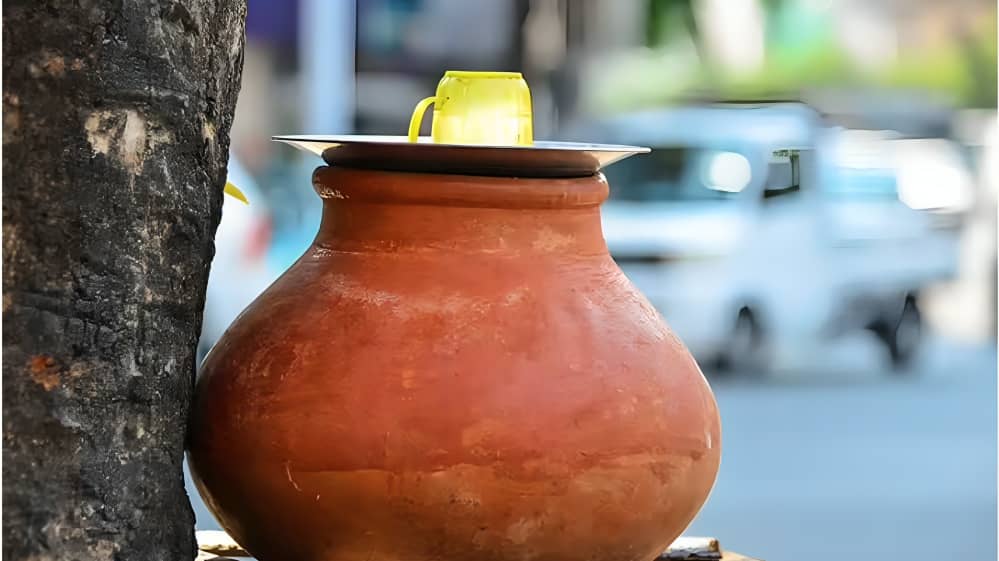
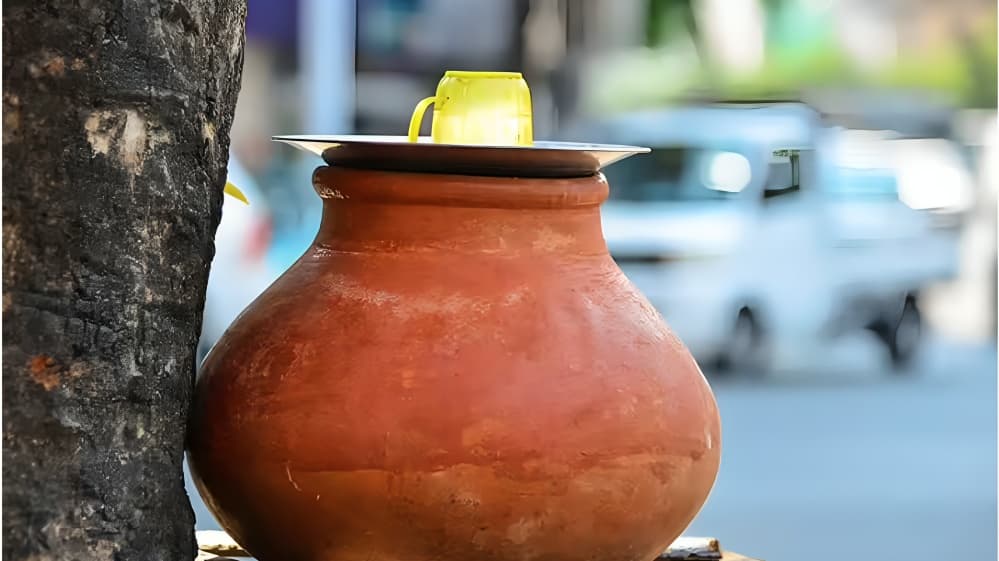
Ajmer, Rajasthan, is experiencing a surge in temperatures, prompting residents to revisit an age-old solution for staying hydrated—clay pots, locally known as matkas. These simple earthen pots have long been a part of Indian households, offering a natural and sustainable way to keep drinking water cool, especially during the scorching summer months.
In markets across the city, matkas of various sizes, designs, and colors are in high demand. Traditional white clay pots are particularly popular due to their superior cooling properties. Residents are increasingly turning away from modern refrigeration methods, opting instead for these eco-friendly containers that provide naturally chilled water without any risk of health issues such as stomach infections or cold-related discomfort.
Merchants note that special clay pots sourced from Gujarat are especially sought after, as they are durable and capable of keeping tap water cool for extended periods. Many locals prefer these pots because the water remains fresh and healthy, unlike stored water in refrigerators that may sometimes lose its natural taste. Families are purchasing multiple pots for their homes to ensure they have access to cool water throughout the day.
Elders in Ajmer highlight that white clay pots, similar to those produced in Jodhpur, have traditionally been considered the best for storing water. The design and natural material of these pots help maintain the water at a refreshing temperature, even under extreme heat. This traditional knowledge is being revived as younger generations adopt these methods alongside modern conveniences.
The resurgence in matka usage is also benefiting local businesses and artisans. Clay pot makers are seeing a rise in orders, helping preserve the craft that blends practicality with sustainability. This increased demand is prompting innovation in designs, with colorful motifs and contemporary shapes now available to cater to diverse preferences. Markets are bustling as people stock up for the summer season, ensuring they can enjoy naturally cooled drinking water without relying on electricity-intensive appliances.
Experts suggest that using clay pots is not only cost-effective but also environmentally friendly. Unlike refrigerators that consume electricity and increase carbon emissions, matkas rely on natural evaporation to cool water. This method requires no energy input, making it an ideal choice for sustainable living in hot climates.
With summer approaching, residents of Ajmer are embracing this combination of tradition, sustainability, and health. Clay pots have become more than just containers; they represent a lifestyle choice that values natural solutions and supports local artisans. The trend reflects a growing awareness among citizens to adopt eco-friendly practices while maintaining the cultural heritage of Rajasthan.
The revival of matkas in Ajmer illustrates how traditional crafts can adapt to modern needs while providing practical benefits. As more households invest in these clay pots, they contribute to sustaining a centuries-old practice that is both useful and environmentally responsible.