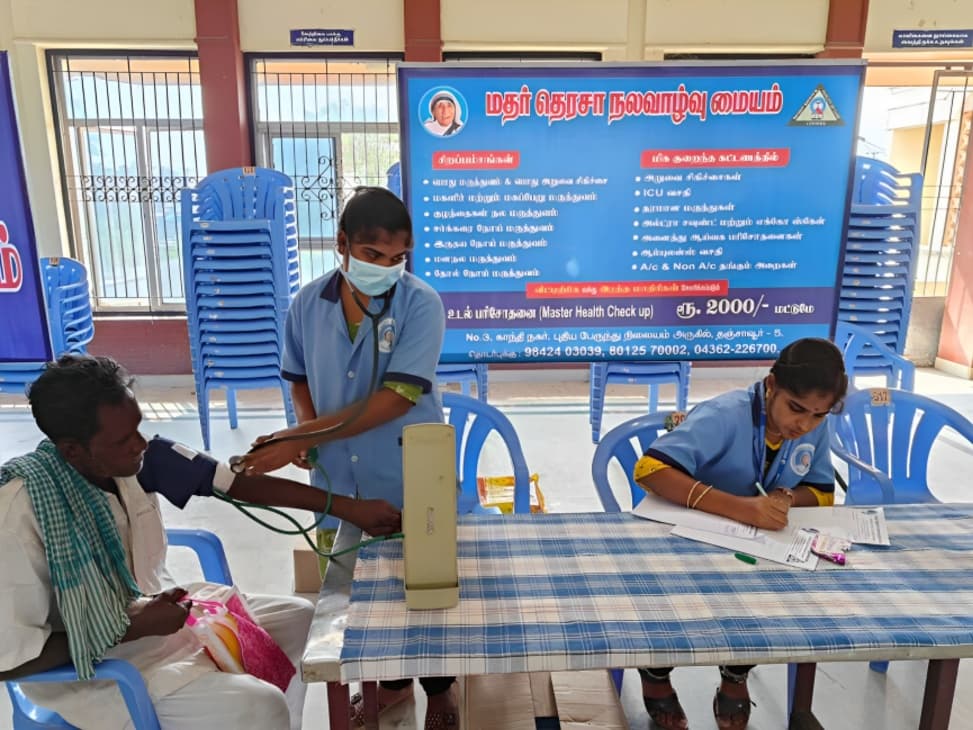
India – Private hospitals across India are leveraging health camps as a tool to boost occupancy and attract more patients. These camps, which offer free or discounted health check-ups, are organized in various locations to reach a broader audience. While they serve the public by providing essential healthcare services, they also function as a strategy to increase hospital footfall.
The camps often lead to follow-up visits, where many patients end up opting for further medical services at the same hospital, such as diagnostics, consultations, and treatments. This practice helps hospitals maintain a higher occupancy rate, which is crucial for their profitability.
Critics, however, argue that while health camps can benefit patients by offering free medical advice, they also serve as a marketing tool for private hospitals. By creating an initial touchpoint, these camps can lead to financial gains for the institutions, with patients sometimes feeling compelled to undergo unnecessary treatments or procedures.
Hospital managements defend the practice, saying that health camps provide an invaluable service to communities by offering preventive healthcare and early detection of medical issues. They argue that the overall goal is to create a healthy population, while also ensuring that hospitals remain financially sustainable.
As health camps become more common, authorities and healthcare experts continue to debate their role in the industry. While they can offer significant public health benefits, there is growing concern about the ethical implications and the potential for exploitation in certain cases.