New Delhi:
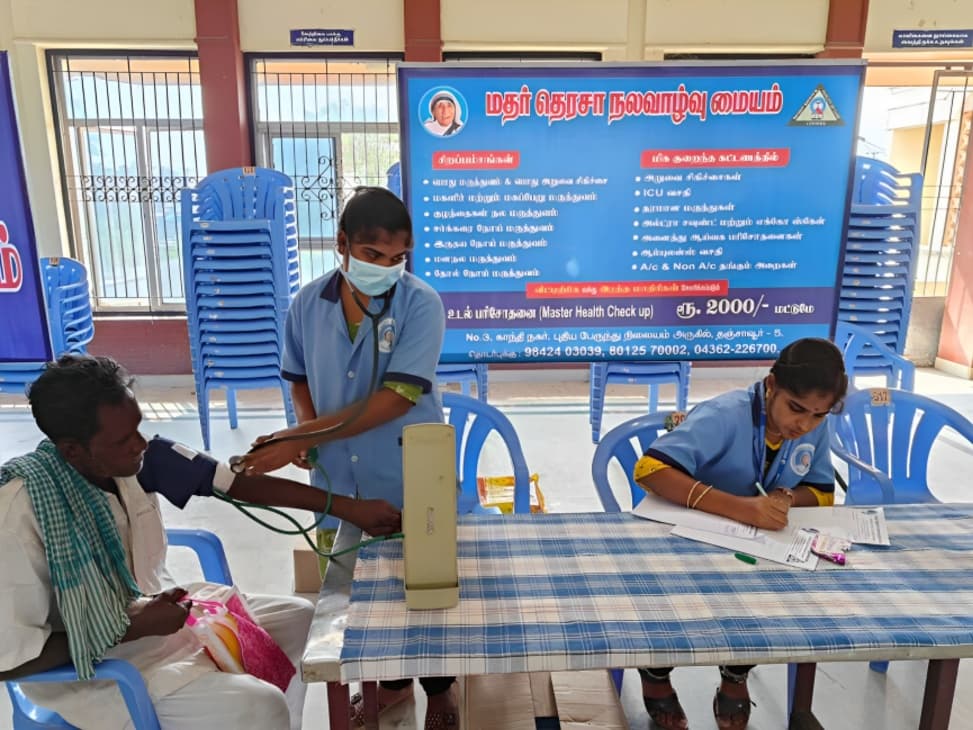
As India observed World Health Day, several public health experts, doctors' associations, and civil society organizations raised alarms over the increasing trend of privatizing government hospitals through Public-Private Partnership (PPP) models. They argue that while PPPs are promoted as a means to improve healthcare delivery, they may compromise affordability and accessibility, particularly for lower-income groups.
The concern comes in the wake of reports that various state governments are exploring or expanding PPP agreements for the management of district hospitals, diagnostic centers, and other key health services. Critics say such measures effectively shift healthcare delivery into the hands of private players, whose primary focus may be profit rather than public welfare.
Dr. Anjali Verma, a public health researcher, stated, “World Health Day should be a moment to reaffirm our commitment to universal health coverage, not dilute it. Privatizing public hospitals under the PPP model risks excluding the very communities that rely on free or low-cost treatment.”
Activists have also pointed out that in many cases, PPP projects have led to increased user fees, reduced transparency, and lack of accountability. In some hospitals, essential services were reportedly outsourced without adequate oversight, resulting in disruptions and reduced quality of care.
Organizations such as the Jan Swasthya Abhiyan have called for greater investment in government health infrastructure, recruitment of trained medical staff, and improved primary care services. They argue that the focus should be on strengthening the public system instead of relying on private sector involvement in core health delivery.
Meanwhile, health ministry officials argue that PPPs can be beneficial if properly regulated. They say collaboration with the private sector helps bridge infrastructure and resource gaps in underserved regions, especially in diagnostics and specialized care.
The debate reflects broader questions about India’s path toward universal healthcare—whether it should be state-led or market-driven. On this World Health Day, the call from many remains clear: health is a right, not a commodity.