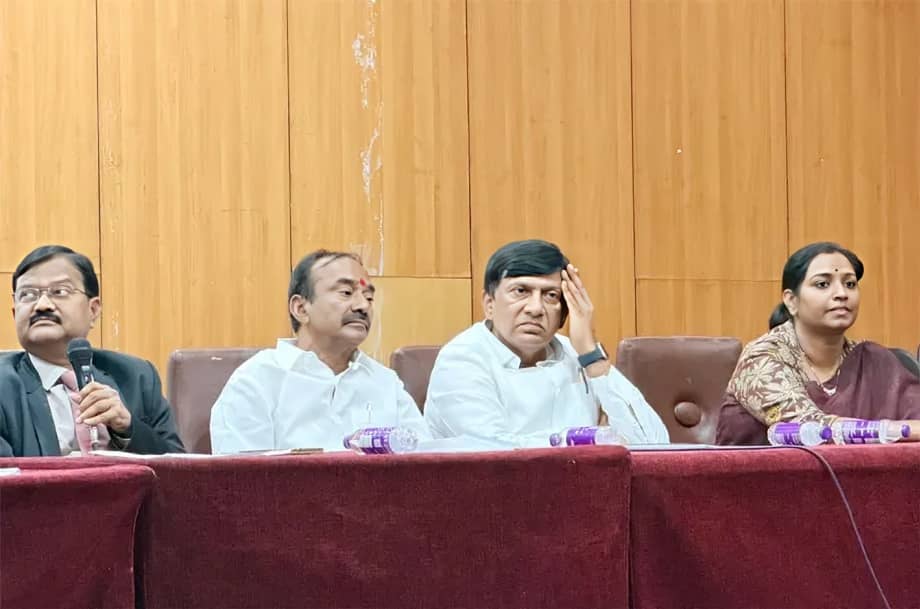
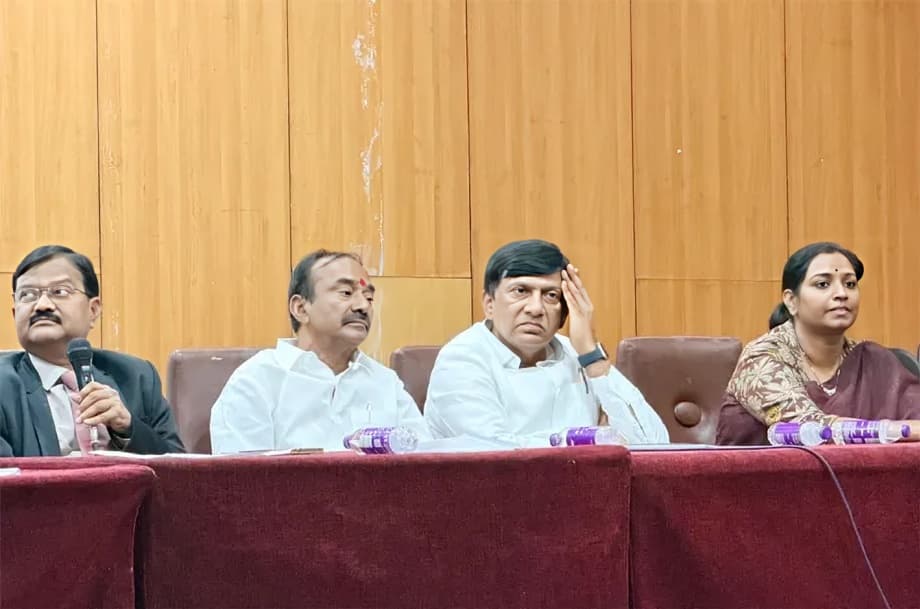
The Telangana chapter of the Indian Medical Association convened a meeting in Hyderabad to discuss growing health concerns related to the use of Paraquat, a herbicide commonly sprayed by farmers to control weeds. During the meeting, senior doctors and public health experts expressed serious concern over the increasing number of poisoning cases associated with exposure to the chemical. The association passed a resolution urging the Central and Telangana State governments to consider a complete ban on Paraquat in the interest of public safety.
Medical professionals at the meeting highlighted that Paraquat is classified as a highly toxic chemical. Even small quantities, if ingested or inhaled, can lead to severe health consequences. Doctors reported that hospitals in different parts of the state have recorded cases of accidental exposure among agricultural workers and cases of deliberate self harm involving the herbicide. According to medical experts, Paraquat poisoning often results in multi organ failure, including damage to the lungs, kidneys, and liver. Treatment options are limited, and survival rates in severe cases remain low.
The association stated that the chemical poses a particular risk to farmers and agricultural labourers who may not always use protective equipment while handling pesticides and herbicides. In rural areas, lack of awareness about the dangers of Paraquat further increases the risk of accidental poisoning. Doctors also stressed that improper storage practices at homes and farms can expose children and other family members to the toxic substance.
Members of the Indian Medical Association called on policymakers to review the safety profile of Paraquat and examine global regulatory practices. They pointed out that several countries have either banned or strictly restricted the use of the herbicide due to health risks. The association recommended that India consider safer and scientifically approved alternatives for weed management in agriculture.
In addition to calling for a ban, the doctors urged the government to strengthen monitoring systems for pesticide sales and usage. They recommended mandatory training programmes for farmers on the safe handling of agrochemicals. The association also emphasised the need for public awareness campaigns to inform communities about the risks associated with toxic herbicides.
Health experts at the meeting stressed that policy decisions should prioritise human life and long term public health over short term agricultural convenience. They noted that poisoning cases not only affect individual families but also place a burden on the healthcare system, especially in government hospitals that handle emergency cases in rural and semi urban regions.
The Telangana Indian Medical Association concluded that collaborative efforts between the health department, agriculture department, and regulatory authorities are essential to address the issue. The association stated that it would submit a formal memorandum to the concerned ministries, seeking immediate intervention and policy review regarding the continued use of Paraquat in Indian agriculture.