
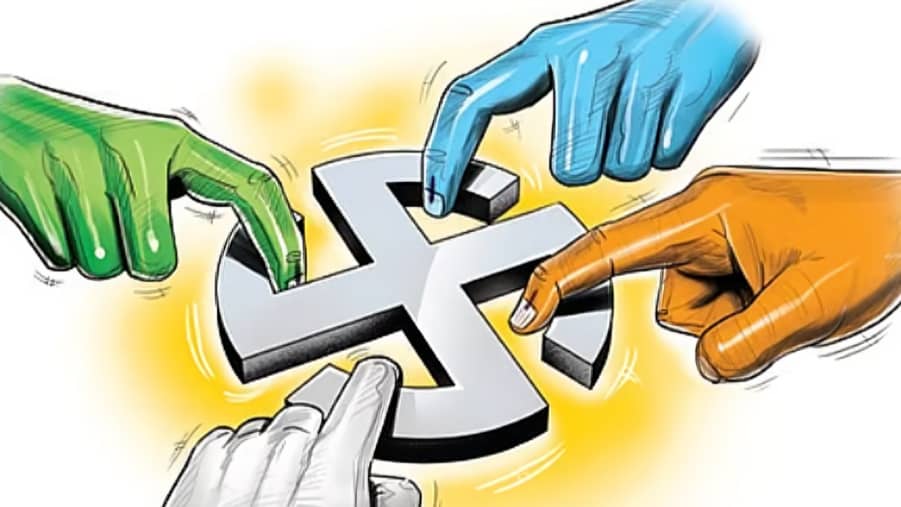
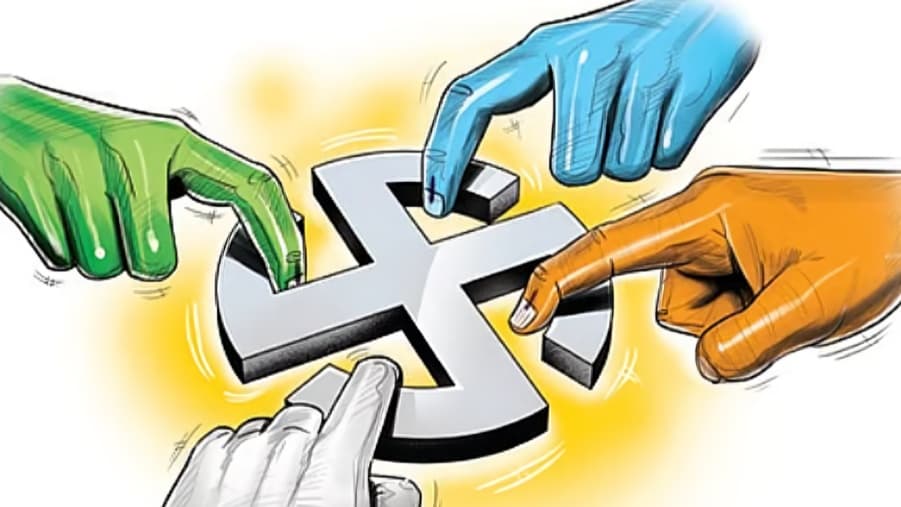
India is gearing up for one of the largest electoral exercises in the coming year, as 2026 will see elections in five key states alongside hundreds of local bodies, including municipalities, zilla parishads, and panchayats. These elections are expected to be high-stakes contests, with political parties gearing up for intense campaigns and strategic mobilization at the grassroots level. Analysts predict that the outcomes will provide important insights into voter sentiment and the strength of regional parties, influencing the broader political landscape ahead of national elections.
Political parties have already started internal deliberations regarding candidate selection, campaign messaging, and voter outreach strategies. Grassroots mobilization, attention to local issues, and coalition dynamics are expected to play a crucial role in determining election results. Experts note that parties will focus heavily on understanding voter priorities, with local governance, infrastructure, education, and social welfare emerging as key concerns across constituencies.
Election authorities in the respective states have begun preparations to ensure smooth and fair polling. This includes updating voter rolls, implementing security measures, training polling staff, and coordinating administrative procedures. Given the scale of these elections, ensuring transparency, accessibility, and minimal disruption to local governance is a top priority. Authorities are also expected to conduct awareness campaigns to encourage voter participation, particularly among first-time voters and underrepresented communities.
The 2026 elections are also expected to witness technological interventions, with electronic voting machines, voter verifiable paper audit trails, and other tools playing a critical role in ensuring efficiency and reliability. Social media and digital campaigning are anticipated to influence voter behavior significantly, as parties increasingly engage with citizens through online platforms to communicate manifestos, promises, and policy priorities.
Observers note that the results of these elections could shape regional power dynamics and set the tone for the national political scenario. Parties are likely to analyze trends from local body and state assembly polls to refine their strategies for upcoming national elections. Electoral outcomes will also impact coalition politics, governance priorities, and policy implementation at the state and local levels.
In conclusion, the 2026 electoral calendar promises a high-stakes, closely-watched political season across five states and hundreds of local bodies. With strategic campaigning, voter engagement, and robust election management, the contests are expected to test party strength and public support comprehensively. Political analysts, parties, and citizens will be closely observing the elections as they provide a critical gauge of democratic participation and regional political trends in India.


