
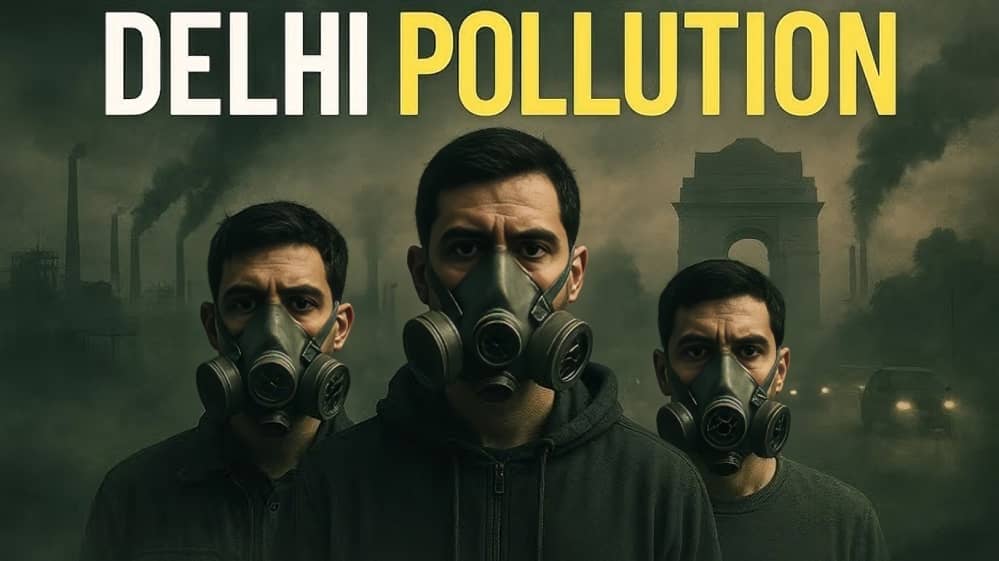
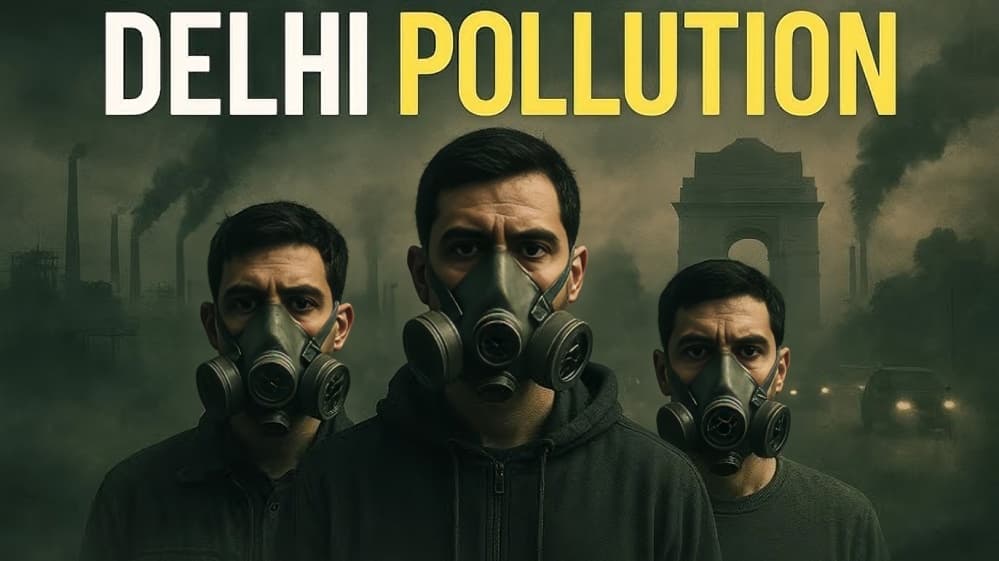
Delhi’s air pollution issue has once again become a flashpoint between the city’s administration and the ruling Aam Aadmi Party. Following a letter from Delhi Lieutenant Governor Vinai Kumar Saxena attributing the capital’s pollution and infrastructure gaps to former Chief Minister Arvind Kejriwal, the AAP responded with a poster campaign across key locations in the city. The move underscores the political tension surrounding environmental governance in Delhi.
The posters, prominently displayed across different areas, called attention to the LG’s statements, questioning his accountability and emphasizing AAP’s efforts to combat air pollution. Party leaders argued that air quality management, waste disposal, and infrastructure development are complex issues requiring coordinated efforts, and blaming a single individual does not reflect the collaborative nature of governance.
Vinai Kumar Saxena had sent a letter to the central government highlighting gaps in Delhi’s pollution control measures and infrastructure management. The LG noted that these gaps were a legacy issue and suggested that Kejriwal’s administration bore significant responsibility. Saxena also indicated that additional letters would follow, addressing ongoing challenges in air quality, traffic management, and urban infrastructure.
Delhi’s air quality has seen some marginal improvements in recent weeks, partly due to favorable weather conditions and regulatory measures such as the temporary suspension of construction activities and stricter monitoring of industrial emissions. Despite these improvements, pollution levels remain above safe limits, keeping environmental issues and public health concerns in focus.
Political analysts note that air quality has increasingly become a tool for public discourse and accountability in Delhi’s politics. The AAP’s poster campaign not only counters the LG’s claims but also reinforces its image as an active stakeholder in addressing the capital’s environmental concerns. Both administrative officials and the city government are under public scrutiny, as citizens demand tangible improvements in air quality, especially with winter and post-Diwali pollution peaks.
The ongoing political tussle over Delhi’s pollution control highlights the challenges of governance in a unique administrative setup, where responsibilities are shared between the elected government and the Lieutenant Governor. Experts suggest that long-term improvement in air quality will require collaborative planning, stricter enforcement of environmental regulations, and citizen engagement.
While the poster campaign draws attention to political disagreements, environmentalists emphasize that the focus must remain on practical solutions. Initiatives such as promoting public transport, reducing vehicular emissions, controlling dust from construction, and addressing industrial pollution are critical steps for sustained air quality improvement in Delhi.
As both sides continue to exchange statements and letters, the issue remains central to Delhi’s political and administrative discourse. Public expectations are high, and the coming months will likely see further debates, policy announcements, and monitoring measures aimed at improving the capital’s air quality.


