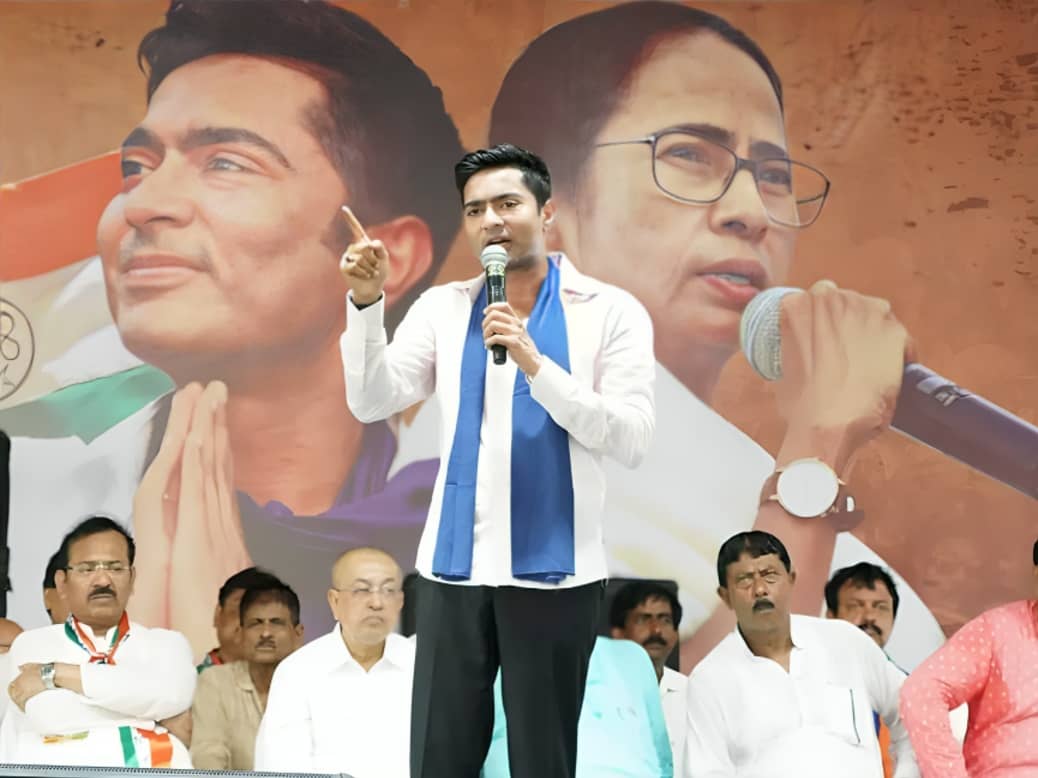
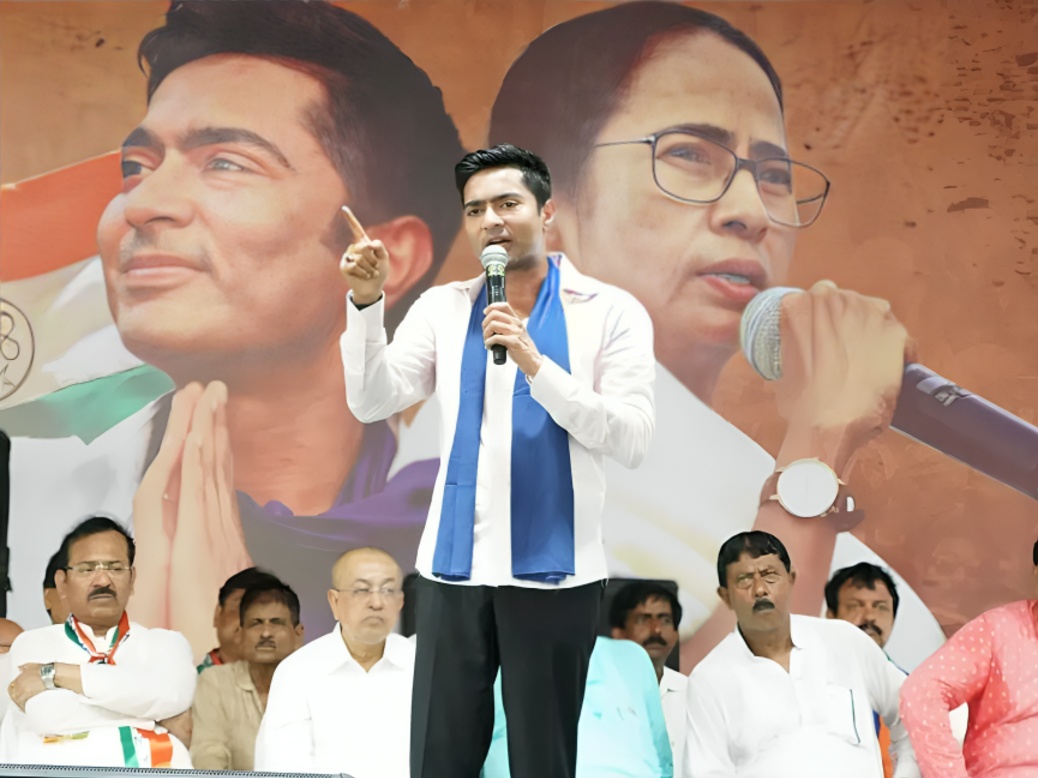
Abhishek Banerjee said leaders who left TMC for rival or dissident groups would not be welcomed back.
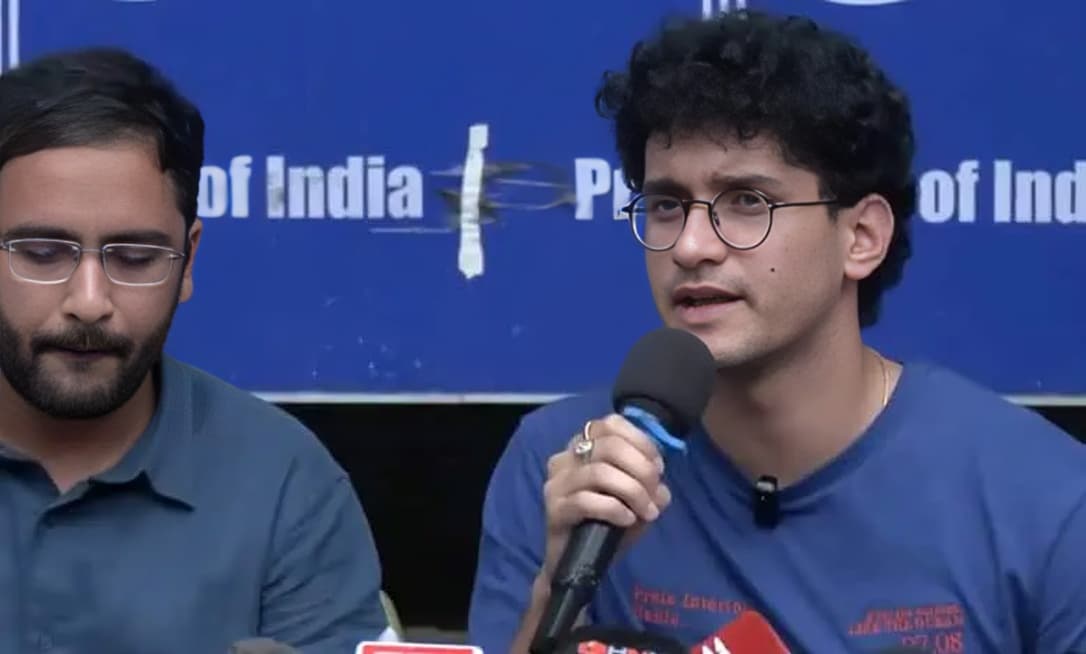
He highlighted the growing role of students and young people in political movements.
Banerjee also criticised the central government and reiterated TMC's opposition to pressure from central agencies.
Long Content
Trinamool Congress national general secretary Abhishek Banerjee has ruled out the return of leaders who left the party and subsequently joined rival or dissident political groups. Speaking at a student and youth gathering in Kolkata, Banerjee adopted a firm position on party discipline and said those he described as traitors would not be allowed to return to the Trinamool Congress.
His remarks come amid continuing political tensions involving the TMC and former party members who have moved to other political formations. The issue of defections and party loyalty has become an important subject in West Bengal politics, with the Trinamool Congress seeking to maintain organisational discipline.
Banerjee's latest comments also focused heavily on the role of young people in politics. He praised student participation in political protests and argued that organised youth movements can compel governments and political leaders to take their concerns seriously.
Addressing the gathering, Banerjee highlighted what he described as the determination of students and young people to raise issues affecting their future. He suggested that political parties should pay attention to the concerns of younger voters and engage with them directly rather than dismissing their demands.
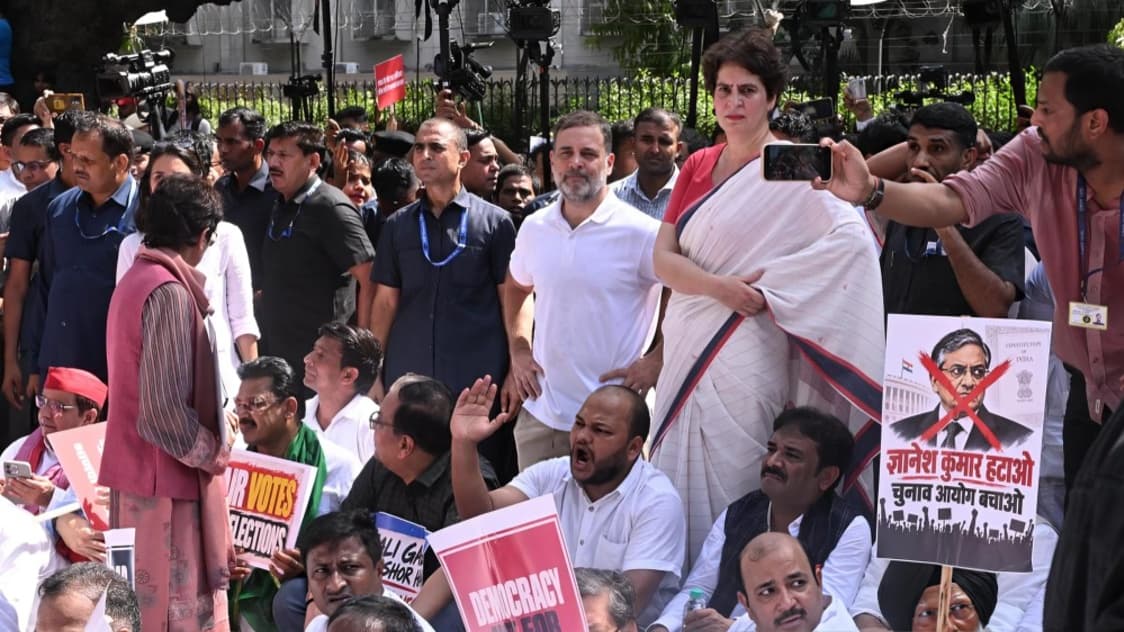
The TMC leader also criticised the BJP led central government during his address. According to reports, Banerjee used strong language while referring to the Centre's response to student protests and argued that young people had demonstrated their ability to influence political decisions.
Banerjee's comments come at a time when student movements and youth participation have become increasingly visible in political debates. Student organisations frequently serve as important platforms for raising concerns related to education, employment, recruitment examinations and public policy. Political parties have also increasingly sought to connect with young voters through student and youth wings.
The TMC leader's emphasis on youth participation is significant because young voters represent an important constituency in Indian elections. Issues such as employment opportunities, education, competitive examinations and career prospects remain central concerns for this section of the electorate.
Banerjee also reiterated the Trinamool Congress's opposition to what the party describes as pressure from central investigative agencies. The TMC has repeatedly alleged that central agencies have been used against opposition leaders and political workers. The party has maintained that such actions are politically motivated, while the agencies and the central government have rejected allegations of political interference.
The dispute over party defections is also developing alongside legal and parliamentary proceedings involving rebel TMC members. The Lok Sabha Secretariat recently issued notices to 20 rebel TMC MPs following disqualification petitions filed by Banerjee under the anti defection provisions. The notices require the concerned MPs to respond to the petitions.
The developments have added another layer to the political contest between the TMC and members who have moved away from the party. Banerjee's latest remarks indicate that the party leadership intends to take a firm position against defections and does not currently favour bringing back leaders who have joined opposing political groups.
The issue of political defections has historically played an important role in Indian state politics. Parties often face challenges when elected representatives or senior leaders switch political affiliations, particularly when such moves affect legislative strength and organisational stability. The anti defection law provides a constitutional framework for dealing with certain forms of party switching by elected representatives.
Banerjee's remarks should therefore be viewed in the wider context of the TMC's current organisational and political challenges. The party has been involved in disputes involving dissident members, parliamentary proceedings and confrontation with political opponents.
At the same time, his focus on young people reflects the growing importance of student and youth mobilisation in political campaigns. Student organisations can influence public debate by organising demonstrations, raising policy concerns and bringing issues affecting younger generations into the political mainstream.
Banerjee also challenged BJP leaders to directly interact with protesting students and understand their concerns. His argument was that political leaders should engage with young people rather than avoid difficult conversations surrounding their demands.
The remarks have the potential to further sharpen the political debate between the TMC and the BJP in West Bengal. Both parties have continued to accuse each other of political wrongdoing, while supporters on both sides have sought to strengthen their organisational networks.
For the Trinamool Congress, maintaining party unity and controlling defections remain important organisational priorities. Banerjee's statement that leaders who left the party would not be welcomed back represents a clear political message to former members and current party workers.
The TMC has also continued to position itself as a party willing to challenge the central government on issues involving federal relations and the use of central agencies. Banerjee's latest comments reinforce that position and suggest that the party intends to maintain its confrontational approach on these matters.
However, the political claims made during speeches and rallies represent the views of the individuals or parties making them and should be distinguished from independently verified facts. Statements concerning central agencies, political pressure or the motivations behind government actions remain matters of political dispute unless established through official findings or judicial proceedings.
The latest remarks from Abhishek Banerjee therefore combine three major themes: party discipline, youth participation and opposition to the central government's policies and actions. His firm stance against bringing back former party members signals that the TMC leadership is seeking to maintain organisational loyalty while strengthening its connection with students and young voters.
With political tensions continuing in West Bengal, statements from senior leaders are likely to remain closely watched, particularly on issues involving party defections, student movements, parliamentary proceedings and relations between the state political leadership and the central government.