The entry of Vijay into active politics through his party Tamilaga Vettri Kazhagam has introduced a new dynamic into the political landscape ahead of the Tamil Nadu Assembly Elections 2026. The development has drawn attention from political observers, party workers, and voters across the state.
Tamilaga Vettri Kazhagam is expected to field candidates in a large number of constituencies, signalling its intention to establish a statewide presence. This approach reflects a strategy aimed at gaining visibility and building a support base across diverse regions rather than focusing on a limited number of seats.
Tamil Nadu’s political scene has traditionally been dominated by major parties such as the Dravida Munnetra Kazhagam and the All India Anna Dravida Munnetra Kazhagam. The entry of a new party led by a widely recognised public figure has the potential to influence voter behaviour, particularly in closely contested constituencies.
Vijay, who has a large following due to his career in the film industry, is seen as appealing to younger voters and sections of the electorate seeking alternative political choices. Supporters of the party highlight its focus on governance, social welfare, and development oriented policies, although detailed policy frameworks are still emerging.
Political analysts suggest that the presence of Tamilaga Vettri Kazhagam could affect vote distribution in several constituencies. Even if the party does not secure a large number of seats in its initial contest, it may influence outcomes by attracting votes that might otherwise have gone to established parties.
Campaign activities by the party have included public meetings, outreach programmes, and engagement with various sections of society. The emphasis has been on connecting with voters at the grassroots level and presenting the party as a fresh alternative in the state’s political environment.
At the same time, established parties continue to play a dominant role in the election, with extensive organisational networks and experience in governance. The competition is therefore expected to be multifaceted, involving both traditional political strategies and new approaches introduced by emerging players.
The involvement of film personalities in Tamil Nadu politics has historical precedents, and the entry of Vijay adds another chapter to this trend. However, the long term impact of such participation depends on factors such as policy clarity, organisational strength, and voter response.
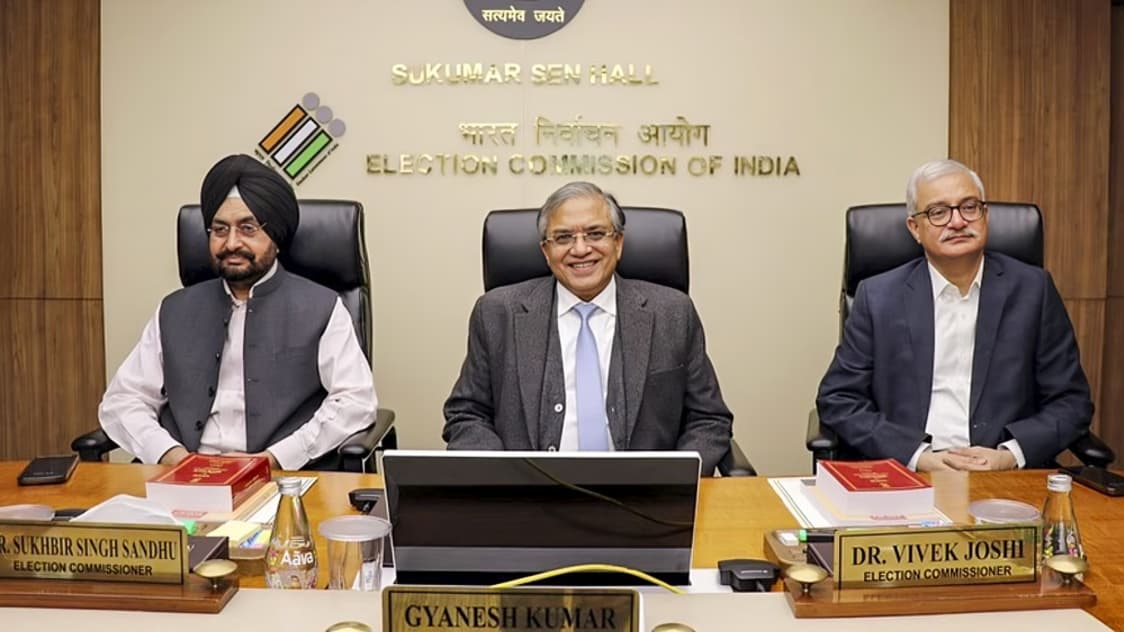
Election authorities, including the Election Commission of India, are overseeing preparations to ensure that the electoral process is conducted smoothly. Voter awareness initiatives are also being carried out to encourage informed participation.
As the Tamil Nadu Assembly Elections 2026 approach, the role of new political entrants like Tamilaga Vettri Kazhagam will be closely watched. Their performance may provide insights into changing voter preferences and the evolving nature of political competition in the state.