Kerala
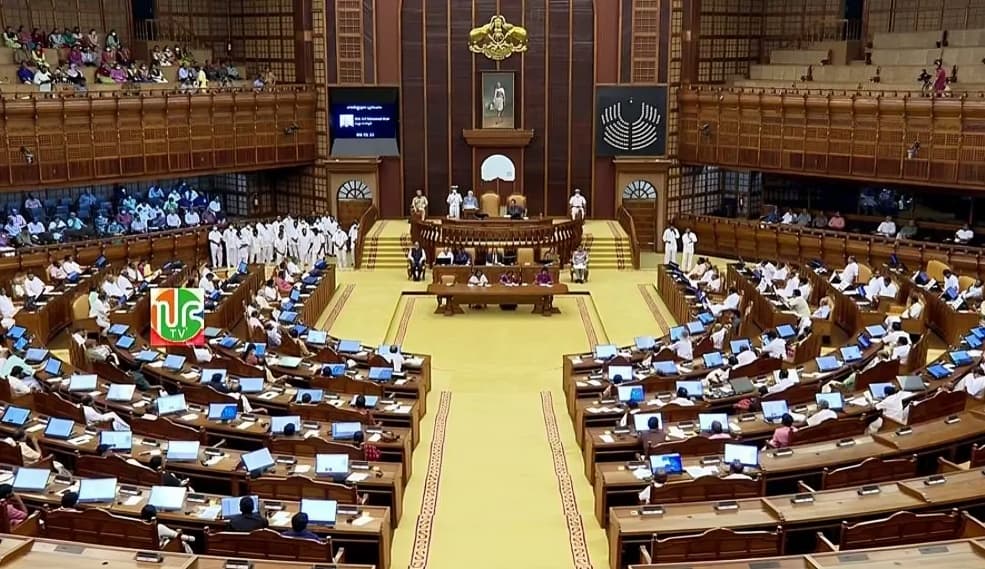
A recent report released by the Association for Democratic Reforms has highlighted significant details about the background of elected representatives in Kerala. According to the findings, nearly 70 percent of the current Members of the Legislative Assembly in the state have declared criminal cases against them in their election affidavits.
The report is based on an analysis of self sworn affidavits submitted by candidates during elections. These affidavits include information related to criminal cases, assets, liabilities and other personal details as required by election laws. The data provides an overview of the legal and financial profiles of legislators and helps in promoting transparency in the political system.
Out of the total MLAs analysed, a significant proportion have reported pending criminal cases. These cases vary in nature and severity, ranging from minor offences to more serious allegations. The report does not determine guilt or innocence, as all cases are subject to judicial proceedings and legal outcomes.
In addition to the legal background, the report also sheds light on the financial status of MLAs. It states that more than half of the legislators in Kerala are crorepatis, indicating that they have declared assets worth more than one crore rupees. This trend reflects a broader pattern observed in Indian politics, where a large number of elected representatives possess substantial financial resources.
The findings have once again brought attention to the issue of criminalisation of politics and the increasing wealth of candidates. Experts and civil society organisations have often called for reforms to address these concerns, including stricter regulations and greater scrutiny of candidates.
The Association for Democratic Reforms has consistently published such reports to encourage informed decision making among voters. By making candidate information publicly accessible, the organisation aims to enhance accountability and transparency in the electoral process.
Political analysts note that voters play a crucial role in shaping the composition of legislative bodies. Awareness about candidates’ backgrounds can influence voting decisions and contribute to a more accountable political system. At the same time, they emphasise that the presence of criminal cases does not automatically imply conviction, as due process of law must be followed.
The report also highlights the need for continuous monitoring and policy discussions around electoral reforms. Strengthening legal frameworks and ensuring timely disposal of cases related to public representatives are often suggested as measures to address these issues.
Kerala has traditionally been known for its politically aware electorate and high voter participation. Reports such as this are expected to contribute to public debate and encourage greater transparency in the democratic process.