The use of advanced technology is becoming a significant factor in election campaigns in Kerala, where political parties are increasingly adopting artificial intelligence based tools to connect with voters. AI generated content, including videos and digital messages, is now being widely used to promote candidates and communicate campaign agendas.
Political parties and candidates are leveraging these tools to create visually engaging content that can be shared easily across social media platforms. AI based video generation allows leaders to present speeches, campaign messages and issue based narratives in a more dynamic and accessible format. This approach is helping parties expand their reach, particularly among younger voters who consume most of their information online.
One of the notable aspects of this trend is the use of synthetic media, which can recreate realistic visuals and voices. In some cases, digital recreations of past political leaders are being used in campaign materials to evoke emotional connections with voters. While this strategy has gained attention, it has also raised ethical and regulatory concerns about the potential misuse of such technology.
Experts have pointed out that AI driven political messaging can blur the line between real and manipulated content. There is growing concern that voters may find it difficult to distinguish between authentic information and digitally altered media. This has prompted discussions about the need for clear guidelines and regulations to ensure transparency in political communication.
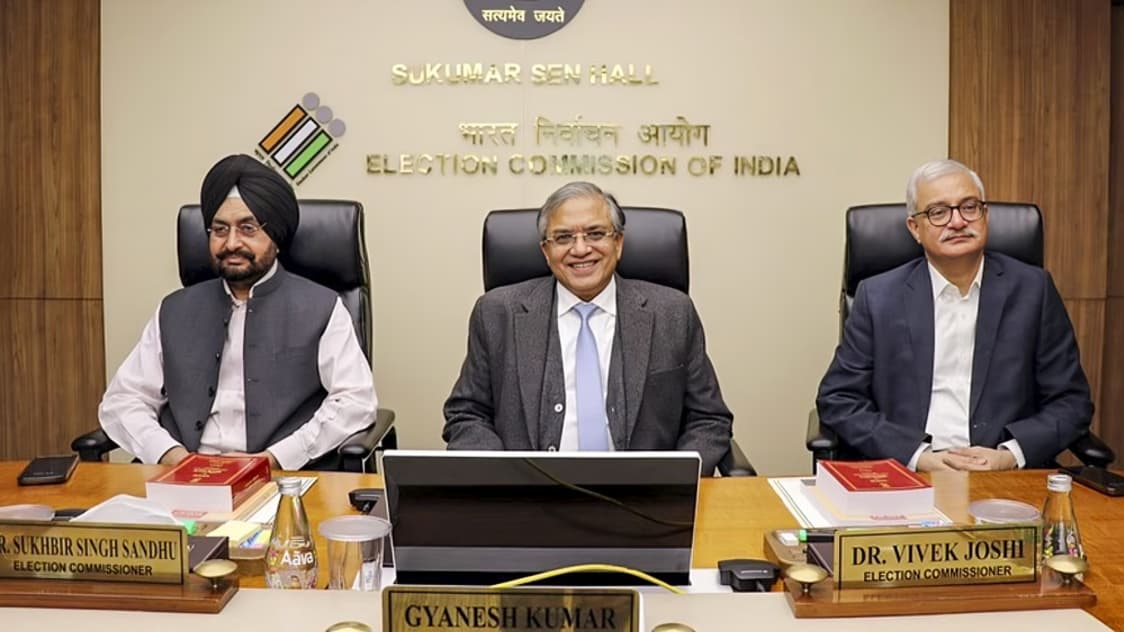
Election authorities and regulatory bodies are closely monitoring the situation to prevent misuse of technology. Ensuring that campaign content remains truthful and does not mislead voters is considered a key priority. Officials have stressed the importance of maintaining fairness and integrity in the electoral process while allowing innovation in communication methods.
Political analysts believe that the use of AI in campaigns reflects a broader shift in how elections are conducted in the digital age. With increasing internet penetration and smartphone usage, digital platforms have become central to political outreach. AI tools offer a cost effective and scalable way for parties to tailor their messages and engage with specific voter groups.
However, the rapid adoption of such technologies also brings challenges. Issues related to data privacy, misinformation and ethical use of AI are becoming more prominent. Observers suggest that both political parties and voters need to be aware of these risks and approach digital content with caution.
Overall, the growing role of artificial intelligence in election campaigns marks a new phase in political communication in Kerala. As parties continue to experiment with innovative strategies, the balance between technological advancement and responsible usage will remain crucial in shaping the future of democratic processes.