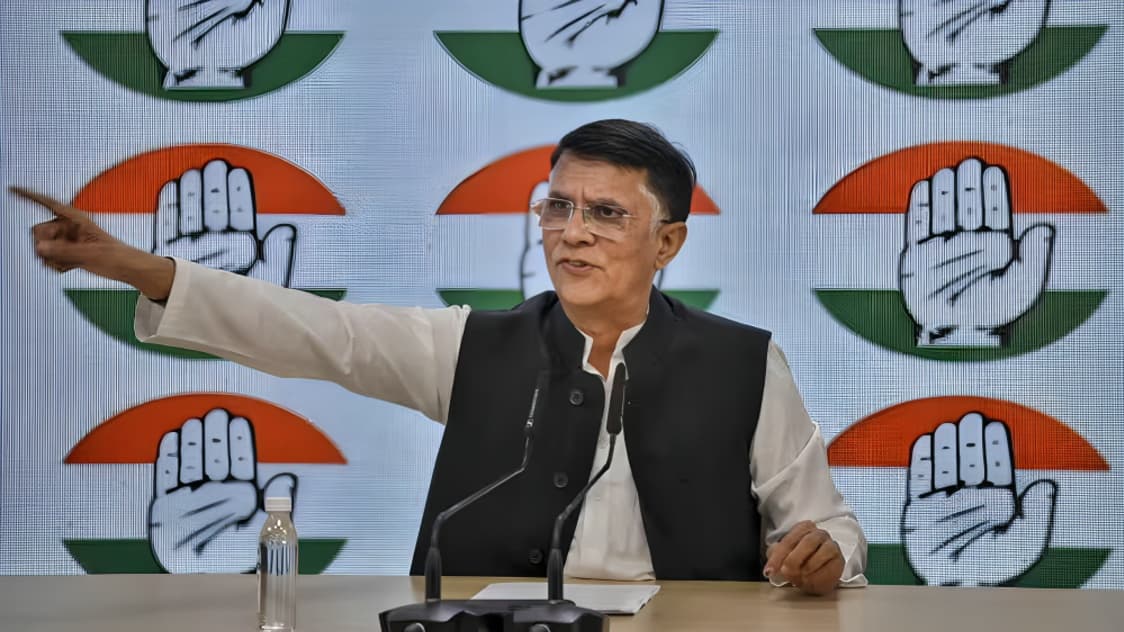
Samajwadi Party chief Akhilesh Yadav has demanded the resignation of Chief Election Commissioner Gyanesh Kumar amid a political controversy surrounding reported differences within the Election Commission of India.
Speaking to reporters in Rae Bareli on September 25, Yadav said that those responsible for the reported differences within the Election Commission should step down. He said the Opposition and others concerned about the electoral process were demanding the resignation of the Chief Election Commissioner.
Yadav's comments came after reports of disagreements within the three member Election Commission over certain procedural matters and decisions connected with electoral roll management. The controversy has received renewed attention following a report by The Indian Express that Election Commissioners Sukhbir Singh Sandhu and Vivek Joshi had formally raised objections on multiple occasions over a period of about ten months.
According to the Indian Express report, the two Election Commissioners had raised concerns over several issues related to the Special Intensive Revision of electoral rolls. The reported issues included changes relating to Form 6, which is used for new voter registration, the handling and centralisation of the electoral roll database, and certain decisions concerning deletion and restoration of names in voter lists.
The report said Sandhu and Joshi had formally recorded objections at least 14 times during the ten month period. Some of the objections reportedly concerned decisions and orders that the two Commissioners said had been issued without their knowledge or approval.
The report has triggered a wider political debate over the functioning of the Election Commission and the process through which important electoral decisions are taken.
Yadav referred to the controversy while demanding that the Chief Election Commissioner resign. His comments represent the position of the Samajwadi Party and come amid criticism from several Opposition parties regarding the functioning of the Election Commission and the ongoing electoral roll revision exercise.
However, the Election Commission has rejected the suggestion that the reported differences amounted to a breakdown in the functioning of the constitutional body.
In its response, the Election Commission said that individual members of a multi member constitutional institution can express different views, observations, suggestions and technical concerns during internal deliberations. According to the Commission, such discussions are part of its normal institutional functioning and should not be treated as evidence that final decisions were taken without the approval of all members.
The Commission has maintained that all final decisions relating to the Special Intensive Revision were taken unanimously. It has also said that the final decisions of the Commission had the approval of all three members, including Chief Election Commissioner Gyanesh Kumar, Sukhbir Singh Sandhu and Vivek Joshi.
The distinction between internal deliberations and final decisions is at the centre of the current controversy. Reports have highlighted objections reportedly raised by individual Election Commissioners, while the Election Commission has emphasized that these observations and concerns formed part of the internal review process and did not change the final decisions adopted by the full Commission.
The Special Intensive Revision, commonly referred to as SIR, involves the detailed verification and revision of electoral rolls. The process has generated political and public debate because it can involve verification of existing voters, addition of eligible voters and removal of names where the prescribed conditions are not met.
The reported disagreements have also focused on the administration of electoral data. According to the Indian Express report, concerns were raised over the centralisation of the ERONET electoral roll database and changes associated with voter registration procedures. The report also referred to objections relating to voter deletions and restoration of names during the revision process.
The Election Commission has defended its procedures and said internal checks and balances are necessary in a multi member constitutional institution. It has argued that individual questions or suggestions raised during deliberations do not themselves constitute separate decisions of the Commission.
The controversy has nevertheless resulted in increased political scrutiny of the Election Commission. Opposition parties have raised questions about the reported objections and demanded greater transparency regarding the decision making process.
Akhilesh Yadav's latest statement adds to those demands. He has specifically called for Gyanesh Kumar to resign, linking his demand to the reported differences within the Election Commission. The demand is a political position expressed by the Samajwadi Party and should be distinguished from the Election Commission's own explanation of the reported internal discussions.
The Election Commission, meanwhile, continues to maintain that its decisions were taken collectively and unanimously. The poll panel has rejected claims that the reported differences affected the validity of its final decisions.
The issue has therefore developed into a broader discussion about institutional decision making, electoral roll management and transparency within India's election administration. The disagreement between the reported internal objections and the Election Commission's explanation remains an important part of the ongoing public debate.
For voters, the controversy is particularly relevant because the Special Intensive Revision involves the verification and updating of electoral rolls. The Election Commission is responsible for ensuring that eligible citizens are included in the rolls while maintaining the accuracy of voter information.
The political debate is expected to continue as parties and other stakeholders examine the procedures followed during the revision exercise. Meanwhile, the Election Commission has reiterated that its final decisions have the approval of all three Commissioners.