As the Tamil Nadu Assembly Elections 2026 approach, reports of alleged cash distribution to voters have drawn attention in several regions, particularly in and around Coimbatore. The issue has once again raised concerns about electoral practices and the integrity of the voting process in one of India’s key states.
According to reports, some voters in certain constituencies have claimed that they were offered money ranging from small amounts to a few thousand rupees, as well as coupons, in the lead up to polling. These claims have not been independently verified, but they have become a subject of political debate and public discussion. Authorities have stated that they are closely monitoring the situation and have intensified checks to prevent any violations of election rules.
The election contest in Tamil Nadu is primarily between major political parties such as the Dravida Munnetra Kazhagam and the All India Anna Dravida Munnetra Kazhagam. Both parties have been actively campaigning across the state, focusing on governance, welfare schemes, and regional development. The competitive nature of the elections has increased scrutiny over campaign practices.
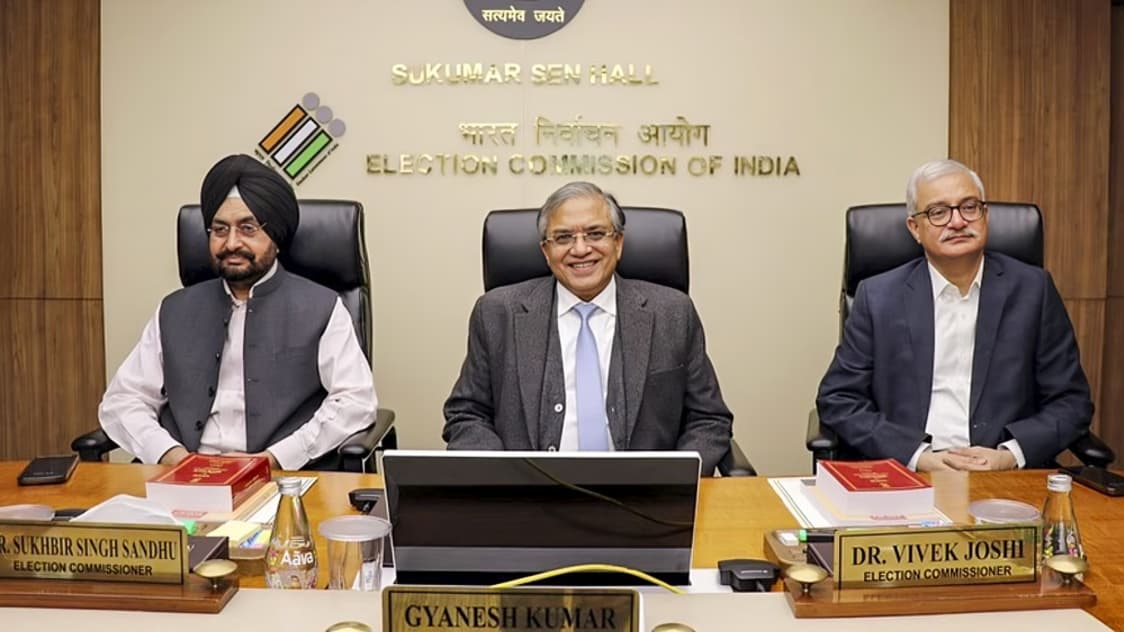
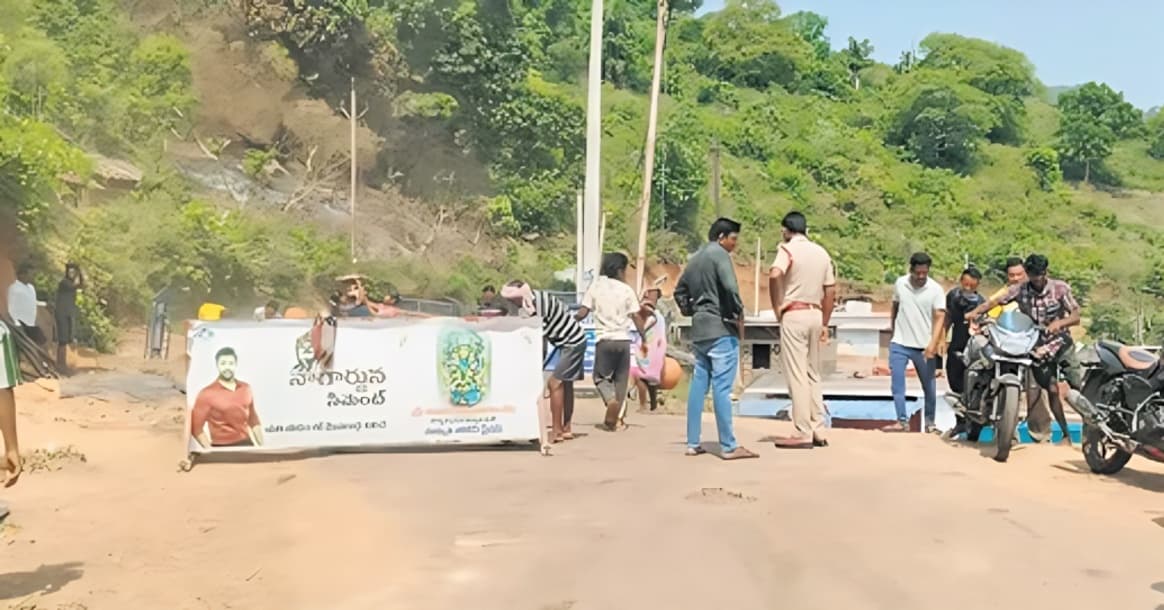
Election authorities, including the Election Commission of India, have implemented strict measures to curb illegal activities during the election period. These measures include surveillance teams, vehicle checks, and monitoring of financial transactions. Officials have reiterated that distributing cash or inducements to voters is a violation of electoral laws and can attract legal action.
Despite these efforts, allegations of covert distribution continue to surface, highlighting the challenges faced in enforcing election regulations. Experts note that such practices, if proven, can undermine the fairness of elections and influence voter behaviour. However, they also stress the importance of verifying claims through proper investigation before drawing conclusions.
In addition to electoral concerns, some reports have also mentioned local issues such as water availability in certain regions, including areas dependent on the Cauvery River. While these issues are part of the broader context of the elections, the focus has largely shifted to concerns about electoral conduct and campaign ethics.
Political leaders from different parties have responded to the allegations with varying statements. Some have called for stricter enforcement of rules, while others have denied any involvement and urged authorities to take action against false claims. This exchange reflects the high stakes and intense competition associated with the elections.
Voter awareness campaigns have been conducted to encourage citizens to participate responsibly and report any irregularities. Authorities have also set up helplines and complaint mechanisms to address concerns related to electoral malpractices.
The Tamil Nadu Assembly Elections 2026 are considered a significant political event, with outcomes that may influence the state’s policy direction in the coming years. Ensuring transparency and fairness in the electoral process remains a key priority for both officials and the public.
As polling dates approach, authorities are expected to continue monitoring activities closely. The situation highlights the importance of maintaining the credibility of democratic processes through strict adherence to election laws and active participation by informed voters.