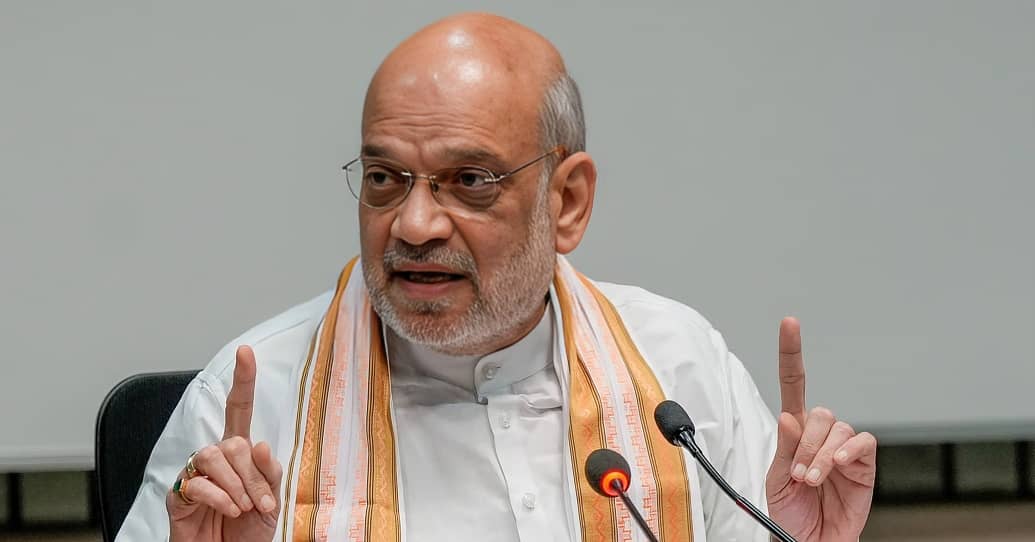
Union Home Minister Amit Shah has reiterated the central government’s commitment to addressing the issue of infiltration in eastern states, particularly Assam and West Bengal. Speaking at a public event, he stated that governments led by the National Democratic Alliance are focused on strengthening border security and ensuring that illegal infiltration is effectively controlled.
Shah emphasized that protecting the cultural identity and demographic balance of states like Assam remains a priority for the government. He noted that the issue of infiltration has been a long standing concern in the region, with implications for security, resources, and social harmony. According to him, the government is implementing a range of measures aimed at addressing these challenges in a systematic manner.
In addition to security related concerns, Shah highlighted the importance of economic development and welfare initiatives in the region. He spoke about efforts to improve the living conditions of tea garden workers, including steps to increase wages and provide better access to basic services. The tea industry plays a significant role in the economy of Assam, and measures aimed at supporting workers are seen as essential for sustainable growth.
The Union Home Minister also referred to initiatives focused on providing land rights to families in the region. Ensuring land ownership and legal recognition for residents is considered an important step toward improving livelihoods and social stability. These measures are part of broader efforts to address longstanding issues faced by local communities.
Shah’s remarks come at a time when political activity in Assam and West Bengal is intensifying. Issues related to border management, migration, and development are expected to play a key role in upcoming political discussions and electoral campaigns. The government’s approach to these matters is likely to be closely examined by both supporters and critics.
He also stressed that development and security go hand in hand, and that addressing infiltration is not only about enforcement but also about creating opportunities for local populations. By improving infrastructure, employment opportunities, and access to resources, the government aims to strengthen the overall socio economic environment in the region.
The focus on Assam, West Bengal, and Tripura reflects the strategic importance of these states in terms of geography and national security. These states share international borders, making them particularly sensitive to issues related to cross border movement. Strengthening border infrastructure and surveillance has been a key component of the government’s strategy.
Political observers note that statements on infiltration and development are likely to influence public discourse in the region. While supporters view these measures as necessary for maintaining stability, critics often call for a balanced approach that also addresses humanitarian concerns.
As the situation evolves, the government’s policies and their implementation will continue to be closely monitored. The emphasis on security, development, and welfare reflects an integrated approach aimed at addressing both immediate and long term challenges in eastern India.