Exit polls for the Assam Assembly elections have suggested that the Bharatiya Janata Party led National Democratic Alliance may retain power for another term in the state. These projections indicate that Chief Minister Himanta Biswa Sarma could continue in office, reflecting sustained voter support for the ruling alliance.
According to the exit poll findings, the NDA has benefited from a relatively high voter turnout across several constituencies. Political observers often view strong participation as a factor that can influence electoral outcomes, though its impact varies depending on local dynamics. In Assam, the turnout is seen as a sign of active voter engagement in the democratic process.
Himanta Biswa Sarma’s leadership has been a central aspect of the BJP’s campaign in the state. His approach has focused on governance initiatives, development programs, and administrative measures aimed at improving public services. At the same time, the campaign has also addressed identity related issues, which are considered significant in Assam’s socio political context.
The combination of governance delivery and targeted political messaging appears to have resonated with sections of the electorate, according to analysts. Infrastructure development, welfare schemes, and law and order measures have been highlighted by the ruling alliance as key achievements during its tenure. These factors may have contributed to the positive projections indicated in the exit polls.
On the other hand, the Congress led alliance has sought to challenge the ruling party by raising issues related to anti incumbency. Opposition leaders have emphasized concerns such as economic challenges, unemployment, and local grievances in an attempt to attract voter support. The contest between the two sides has been closely watched, given the competitive nature of politics in the state.
It is important to note that exit polls are based on sample surveys and may not always accurately predict the final results. The official outcome will only be confirmed once the votes are counted and results are declared by the Election Commission. In previous elections, exit poll projections have sometimes differed from actual results, underscoring the need for caution in interpreting these figures.
Despite this, exit polls play a significant role in shaping public expectations and political narratives ahead of the final results. Parties often use these projections to assess their performance and plan their next steps. Supporters and observers also follow these trends closely as they await the official announcement.
The Assam elections hold importance not only for the state but also for the broader political landscape. A victory for the NDA would reinforce its position in the northeastern region, while a strong performance by the opposition could reshape future political strategies.
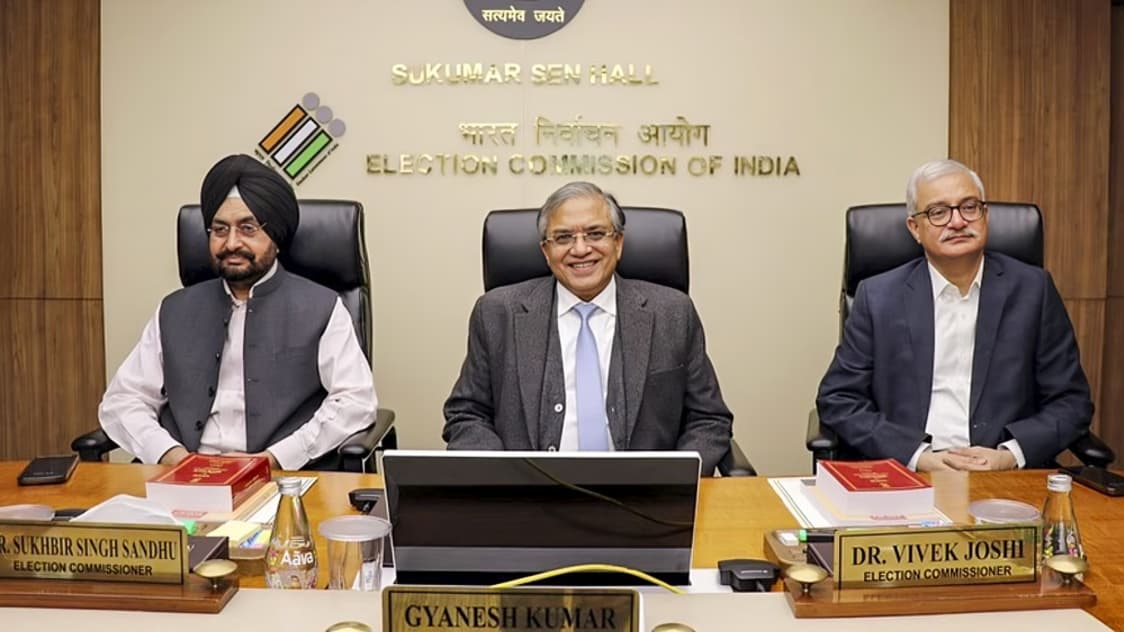
As the state awaits the official results, the focus remains on the Election Commission’s final declaration. The coming days will determine whether the trends indicated by the exit polls translate into an actual electoral victory for the ruling alliance.