Bihar MLC Elections Counting Begins for Eight Seats Amid Tight Security
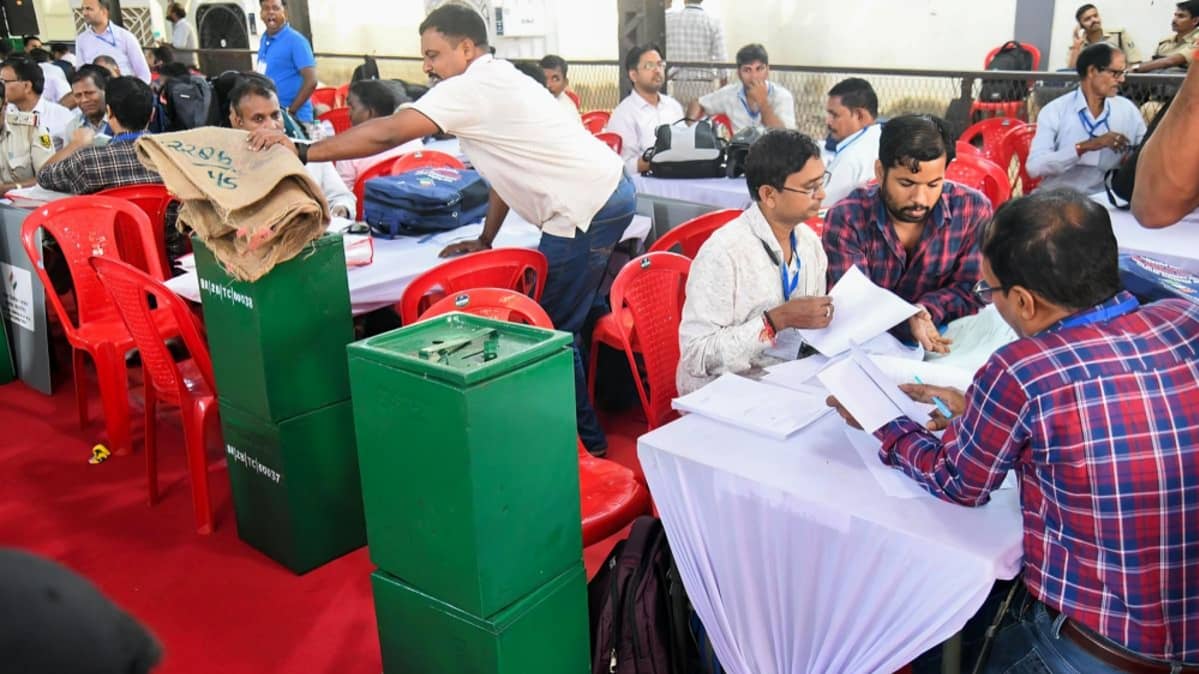
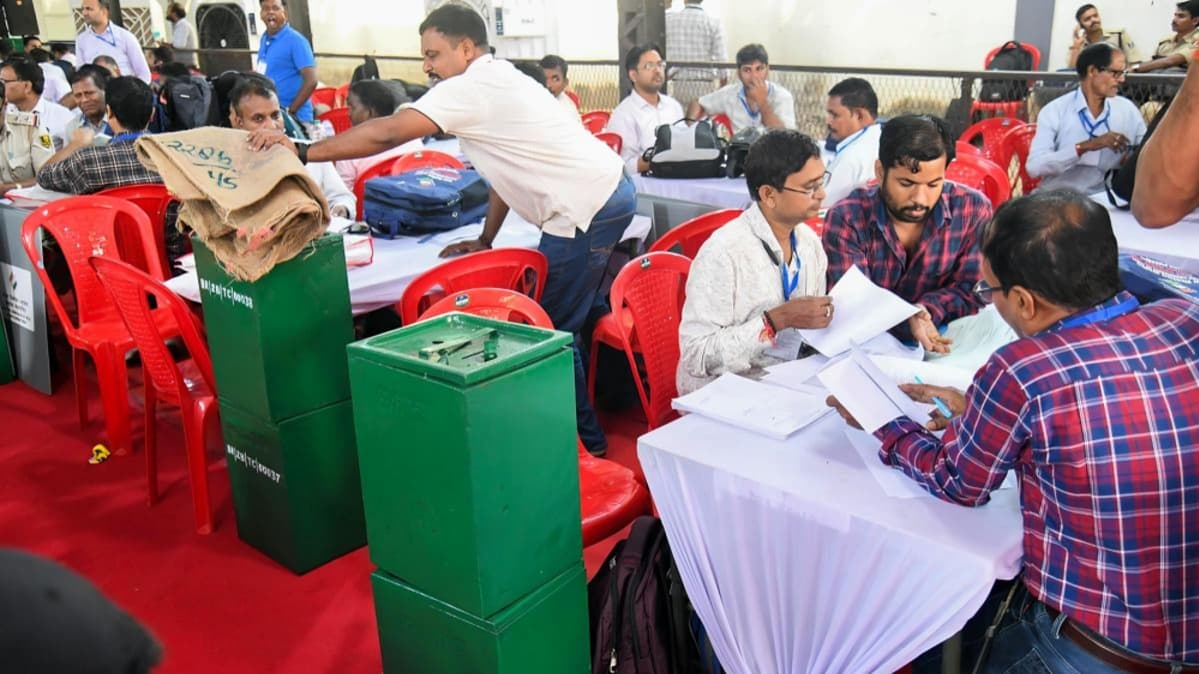
Counting of votes for eight Bihar Legislative Council seats began at 8 am on Tuesday, October 27, amid tight security arrangements. The elections cover four graduates constituencies and four teachers constituencies, with 150 candidates contesting across the eight seats. The results are expected to determine the electoral fortunes of candidates fielded by the Bharatiya Janata Party, Janata Dal United, Jan Suraaj Party and other political groups.
Polling for the eight seats was held on October 23. According to the reported final turnout figures, teachers constituencies recorded 82.85 percent voting, while graduates constituencies registered 53.42 percent. The counting process is being closely watched as political parties await the outcome of the contest.
Eight Constituencies Under Scrutiny
The Bihar Legislative Council elections cover four graduates constituencies and four teachers constituencies. The graduates constituencies are Patna, Darbhanga, Tirhut and Kosi. The teachers constituencies are Patna, Darbhanga, Tirhut and Saran.
A total of 150 candidates are in the electoral contest, including 90 candidates from the graduates constituencies and 60 from the teachers constituencies. The elections have attracted attention because of the competition among established political parties and newer political groups.
The counting process will determine which candidates secure the seats and represent their respective constituencies in the Bihar Legislative Council. Party leaders and supporters are monitoring the results as counting progresses.
Teachers Constituencies Record Higher Turnout
The final reported voting figures show a considerable difference in turnout between teachers and graduates constituencies. Teachers constituencies recorded 82.85 percent voting, while graduates constituencies recorded 53.42 percent.
The higher participation among teachers highlights the strong involvement of voters in these constituencies. Graduates constituencies also witnessed participation from eligible voters across the state, although the overall turnout was lower than that recorded in the teachers seats.
The elections were conducted on October 23, with voting taking place from 8 am to 4 pm. The counting scheduled for October 27 marks the final stage in determining the winners of the eight seats.
BJP, JD(U) and Other Parties Await Results
The election outcome is important for several political parties contesting the seats. The BJP has fielded candidates in four constituencies, while the JD(U) has nominated candidates for the other four seats. The Jan Suraaj Party, led by Prashant Kishor, has also contested all eight constituencies.
The contest in the Patna Graduates constituency has attracted particular attention because of reported differences within the JD(U). Mokama MLA Anant Singh backed Jan Suraaj Party candidate Anuj Singh against the JD(U) nominee Neeraj Kumar, adding another dimension to the political contest.
The results will provide an indication of the support enjoyed by individual candidates among eligible graduates and teachers. They will also be closely examined by political parties as they assess their performance across the different constituencies.
RJD Calls for Transparent Counting
Ahead of the counting process, the Rashtriya Janata Dal sought clear guidelines to ensure fairness and transparency. The party asked the Chief Electoral Officer of Bihar to establish uniform criteria for determining the validity of ballot papers and to ensure proper scrutiny of doubtful votes.
The RJD also called for measures to prevent unauthorised markings on ballot papers. These requests underline the importance of applying consistent procedures during the counting process.
Clear guidelines for handling doubtful ballots and resolving counting-related concerns can help ensure that the process follows established electoral rules. Political parties are expected to monitor the counting and raise any objections through the appropriate channels.
Why the Results Matter
The Bihar Legislative Council elections are significant for the candidates and political parties competing in the eight constituencies. Unlike general assembly elections, the electorate for graduates and teachers constituencies is limited to eligible voters registered in the respective categories.
The results will determine which candidates win the available seats and could influence the political calculations of the parties involved. They will also offer insight into the support base of political organisations among graduates and teachers.
For the BJP and JD(U), the outcome will be an opportunity to assess their performance in these specialised constituencies. The results will also be important for the Jan Suraaj Party and other contenders seeking to expand their political presence in Bihar.
Counting to Determine the Winners
With counting beginning at 8 am on October 27, attention has shifted from polling turnout to the final results. The eight constituencies, 150 candidates and differing turnout figures make the election an important political event in Bihar.
The counting process will establish the winners in the four graduates and four teachers constituencies. As the results emerge, political parties and candidates will learn whether their campaigns have secured sufficient support among eligible voters.
The outcome is expected to remain a major focus of Bihar's political landscape as parties review their performance and prepare for future electoral contests.