YSRCP Seeks Retired Judge Led Panel to Supervise Andhra Pradesh Local Body Elections
The Yuvajana Sramika Rythu Congress Party has filed an additional application before the Supreme Court of India seeking greater judicial oversight of the ongoing local body election process in Andhra Pradesh. The opposition party has requested the appointment of a committee headed by a retired Supreme Court or High Court judge to examine alleged irregularities and supervise key stages of the elections.
The application also seeks directions preventing the State Election Commission from declaring candidates elected unopposed until further orders. The party has alleged that violence, intimidation and other forms of obstruction prevented several candidates from submitting their nomination papers. These claims remain allegations presented by the party and must be examined by the appropriate authorities.
YSRCP Seeks Independent Oversight
In its latest application, YSRCP has sought the appointment of a retired judge led committee to examine the nomination, scrutiny and withdrawal processes. The party says independent supervision is necessary to address its concerns about the conduct of the elections and to ensure that eligible candidates receive a fair opportunity to contest.
According to the party's application, 455 candidates in urban local body elections and 1,680 candidates in Zilla Parishad Territorial Constituency and Mandal Parishad Territorial Constituency elections were allegedly prevented from filing nominations. YSRCP has also alleged that impersonators were allowed to withdraw 60 nomination papers submitted by its candidates.
The party has submitted additional documents, photographs and video recordings in support of its claims. It has asked the court to consider this material while examining the alleged irregularities.
The allegations have not been established as facts by the court. Their accuracy and legal consequences will depend on the evidence examined by the relevant authorities and any subsequent judicial findings.
Request to Stop Unopposed Victories
One of the principal requests in the fresh application is to prevent candidates from being declared elected unopposed while the dispute remains under consideration. YSRCP argues that declarations made before complaints about nomination obstruction are resolved could affect the fairness of the election process.
The party has also requested an extension of nomination deadlines in urban local bodies and other constituencies where candidates allegedly could not submit their papers, where nominations were withdrawn through impersonation, or where nomination papers were rejected in circumstances disputed by the party.
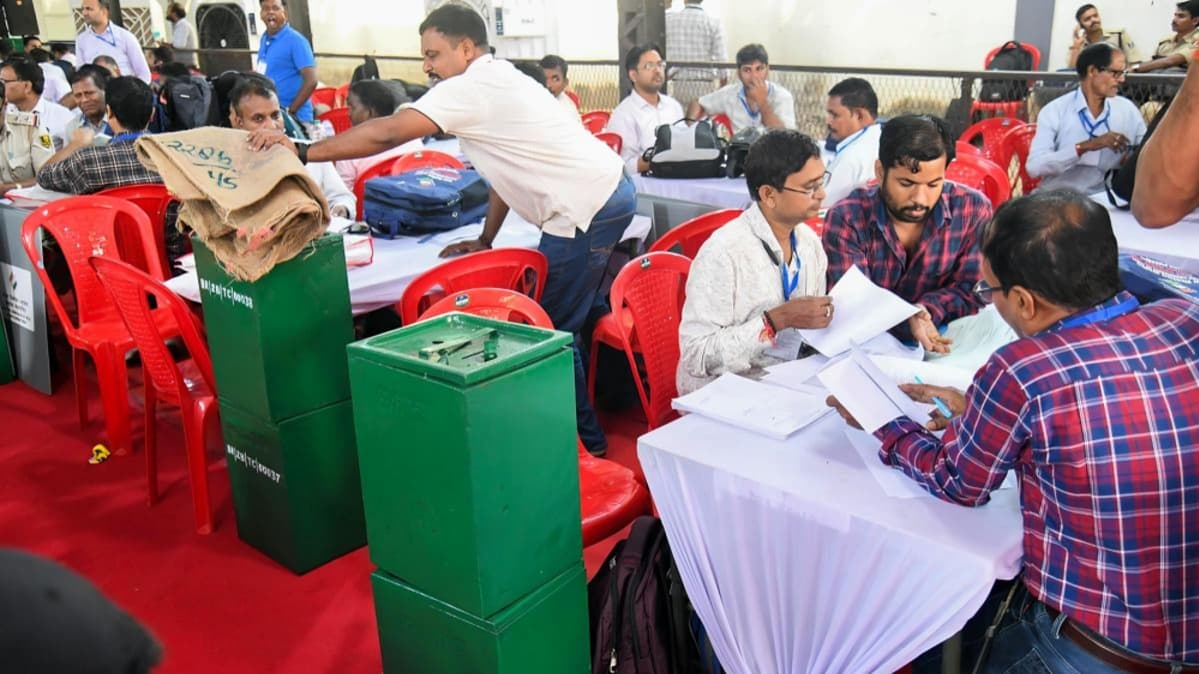
YSRCP has further sought the release of CCTV footage from nomination centres where complaints have been made. It says access to the recordings would help establish what happened during the nomination process and assist in examining claims of obstruction.
These requests are part of the party's additional application. They should not be interpreted as directions already granted by the Supreme Court.
Earlier Supreme Court Directions
The latest application follows earlier proceedings in which the Supreme Court considered YSRCP's complaints about the nomination process for Andhra Pradesh's urban local body elections.
On October 21, a bench comprising Justice Joymalya Bagchi and Justice V Mohana directed the State Election Commission to examine representations submitted by the party and individual candidates, including supporting documents and electronic evidence. The commission was asked to decide whether nomination deadlines should be extended in areas where candidates were found to have been unable to file their papers because of law and order problems.
The court also directed that publication of the final list of contesting candidates be deferred until October 25 under its interim order. It said that wherever an extension was granted, candidates should receive at least 48 hours from the announcement of the decision to submit their nominations.
The court also instructed the state police chief to ensure adequate security at nomination centres, including police deployment, CCTV coverage and protection for candidates filing their papers. The State Election Commission and the relevant authorities were directed to submit compliance reports.
These interim directions were intended to enable complaints and supporting evidence to be examined. They did not establish that every allegation made by YSRCP was proven.
Election Commission's Role
The Andhra Pradesh State Election Commission is responsible for conducting and supervising local body elections in the state. Its responsibilities include managing the nomination process, examining complaints and ensuring that candidates have a reasonable opportunity to participate in accordance with election rules.
Following the earlier court directions, the commission reviewed complaints and revised aspects of the election schedule. Reports indicated that the nomination process was to be reopened in certain affected urban local bodies, while the process in other areas was subject to the applicable revised schedule and court directions.
The latest application seeks additional measures beyond those already ordered. The Supreme Court will have to consider the fresh requests and the material submitted before deciding whether further directions are necessary.
Political and Legal Significance
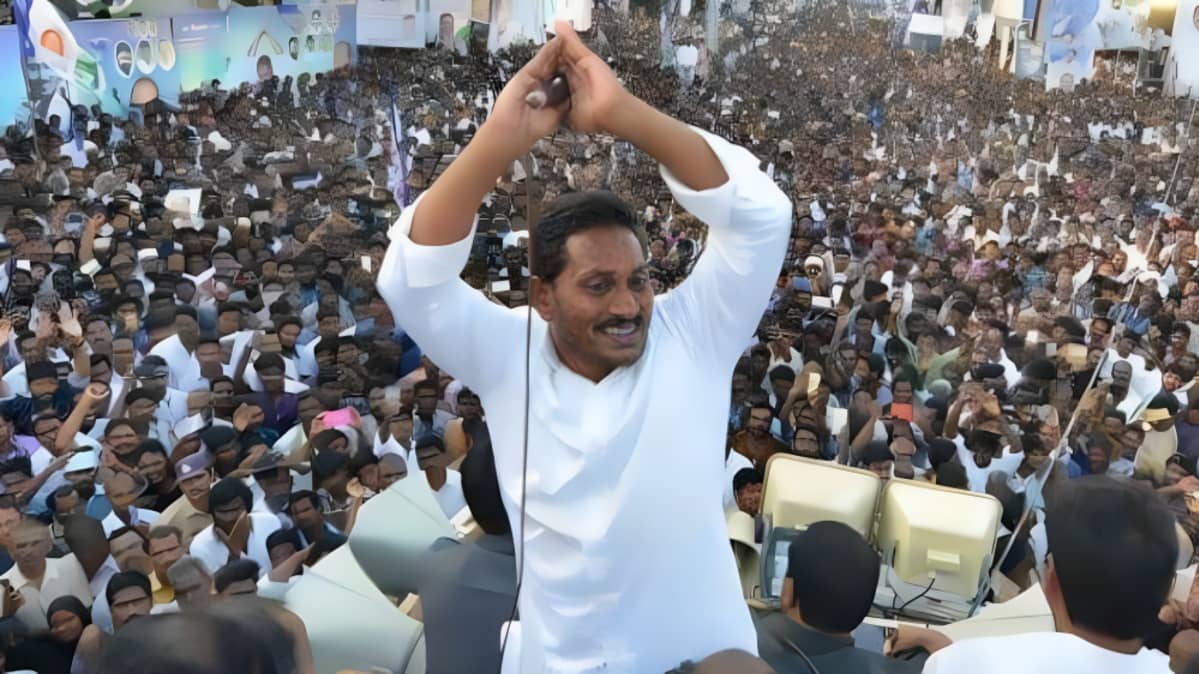
The dispute has intensified political tensions between the YSRCP and the ruling Telugu Desam Party government in Andhra Pradesh. YSRCP has accused ruling party supporters of obstructing its candidates, while the allegations require independent scrutiny before any responsibility can be established.
The case also raises broader questions about electoral fairness, candidate access to nomination centres, security arrangements and the handling of complaints during local elections. The right to participate in an election depends in part on candidates being able to file nominations under the prescribed rules without unlawful interference.
The Supreme Court's consideration of the matter will be important in determining how the election authorities respond to the complaints and whether additional safeguards are required. The court may consider the requests for an independent committee, a temporary restriction on unopposed declarations, further nomination opportunities and access to CCTV footage.
As the legal proceedings continue, the final outcome will depend on the court's orders, the State Election Commission's compliance and the examination of evidence by the competent authorities. Until the court issues further directions, YSRCP's latest requests should be reported as reliefs sought rather than decisions already approved by the Supreme Court.