Jammu and Kashmir Cabinet Reshuffle Expected as Four National Conference Leaders May Join Ministry
Jammu and Kashmir is preparing for a major cabinet expansion and reshuffle under Chief Minister Omar Abdullah, with four National Conference legislators expected to be inducted into the Council of Ministers on October 27. The proposed changes are expected to reshape the government’s ministerial team and provide an opportunity to redistribute portfolios among its members.
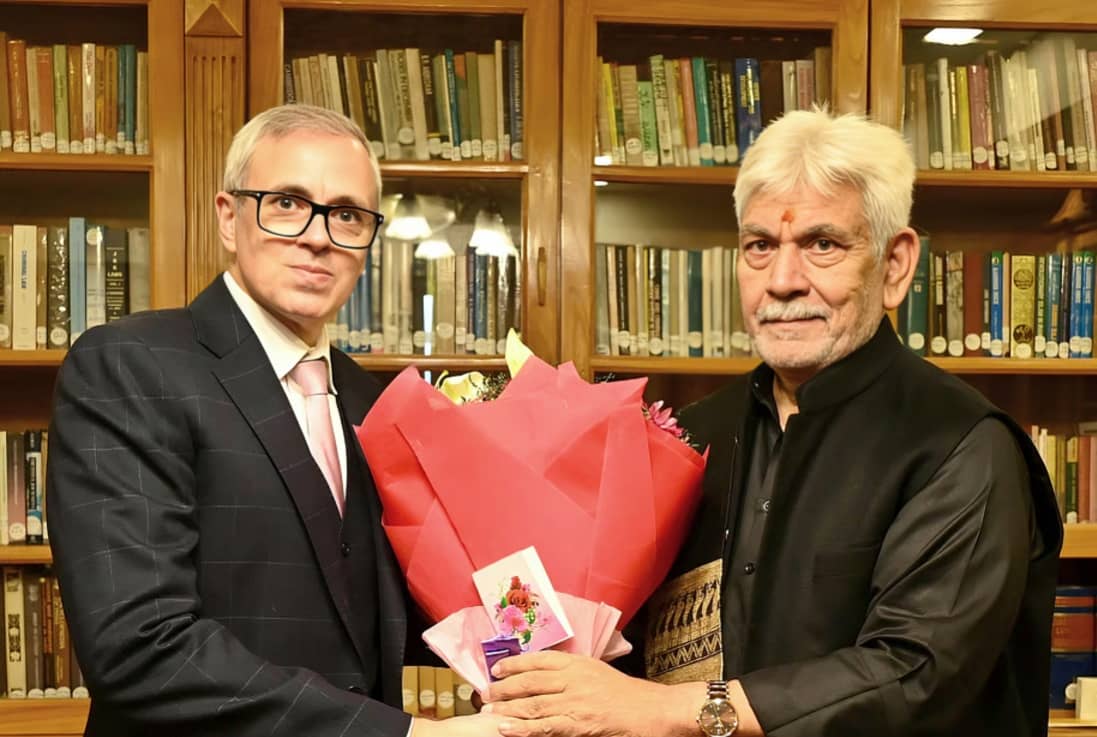
The leaders likely to join the ministry are Ali Mohammad Sagar, Shamima Firdous, Mir Saifullah and Altaf Ahmad Kaloo. According to reports published ahead of the scheduled ceremony, the oath-taking is due to take place at 10.30 am at Lok Bhawan in Srinagar. Lieutenant Governor Manoj Sinha is expected to administer the oath of office and secrecy to the incoming ministers.
Existing Ministers Submit Resignations
Ahead of the cabinet expansion, the serving ministers submitted their resignation letters to Chief Minister Omar Abdullah, according to media reports. The move is intended to give the Chief Minister the flexibility to decide which ministers will continue in the government and which resignations should be forwarded to the Lieutenant Governor.
The submission of resignation letters does not necessarily mean that every sitting minister will be removed. The final composition of the cabinet depends on the Chief Minister's decisions and the formal constitutional process.
The reshuffle is expected to include new appointments as well as possible changes to existing ministerial positions. Satish Sharma has been reported as likely to leave the Council of Ministers, although such changes require official confirmation.
Four Leaders in Focus
Ali Mohammad Sagar is a senior National Conference leader from Srinagar with extensive legislative and ministerial experience. His possible return to the cabinet would bring an experienced party figure into the government.
Shamima Firdous, a National Conference legislator from Srinagar, is also among the leaders expected to receive a ministerial position. Her possible induction would add another woman to the government’s ministerial team.
Mir Saifullah, a senior legislator associated with the Kupwara region in north Kashmir, is another likely inductee. His inclusion would bring representation from northern Kashmir into the expanded ministry.
Altaf Ahmad Kaloo, a National Conference legislator from south Kashmir, is the fourth leader named in reports about the expected expansion. His possible appointment is part of the wider effort to accommodate party legislators in the government.
The four names have been reported as likely choices ahead of the ceremony. Their appointments and the allocation of portfolios should be treated as final only after the official oath-taking and government announcements.
Cabinet Strength and Portfolio Allocation
The Jammu and Kashmir Legislative Assembly has 90 elected seats. Under the applicable legal framework, the Council of Ministers can have a maximum of nine members, including the Chief Minister. Before the proposed expansion, the government had six members in the council, including Omar Abdullah, leaving room for additional appointments.
The expected induction of four legislators, alongside the possible removal of an incumbent minister, could bring the council closer to its permitted strength. The final number will depend on the appointments formally announced by the government.
The cabinet reshuffle may also lead to changes in the distribution of departments. The Chief Minister currently holds several responsibilities, and reports have suggested that some portfolios could be reassigned after the new ministers take office. The final allocation of departments is expected to become clear through official announcements following the ceremony.
Congress Position and Political Considerations
The cabinet expansion has also drawn attention to the position of the Congress, which has remained outside the Council of Ministers despite its association with the National Conference-led political alliance. Reports ahead of the reshuffle said the Congress had declined to join the ministry unless Jammu and Kashmir’s statehood was restored.
The decision leaves the National Conference leadership with greater flexibility to proceed with the proposed appointments. Questions of regional representation, seniority and the accommodation of party legislators have featured in discussions surrounding the expansion.
The reshuffle marks a significant organisational change for the government formed under Omar Abdullah in October 2024. Once the incoming ministers take the oath and the government confirms their portfolios, the new cabinet structure will provide a clearer picture of the administration’s priorities and distribution of responsibilities.
As the ceremony is scheduled for October 27, the names of the incoming ministers, the status of serving ministers and the final portfolio allocation should be confirmed through official announcements. Until then, reported appointments and possible removals remain subject to formal confirmation.