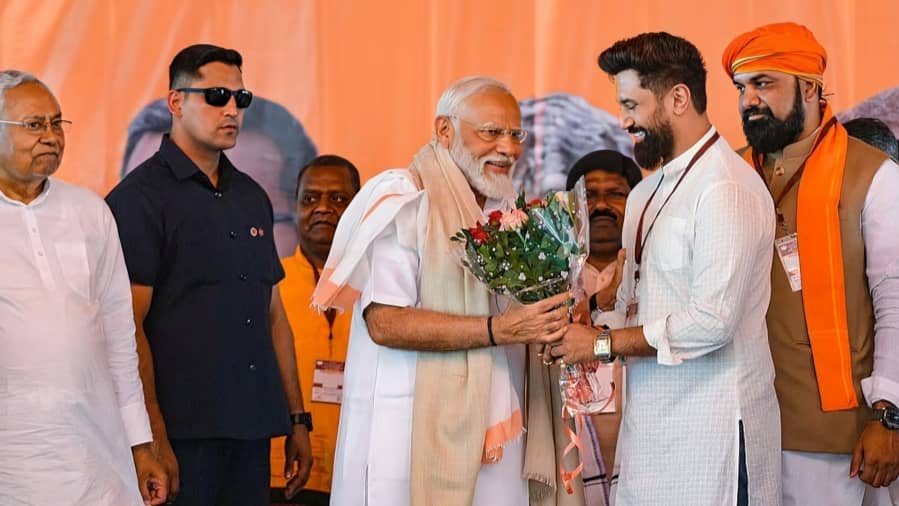
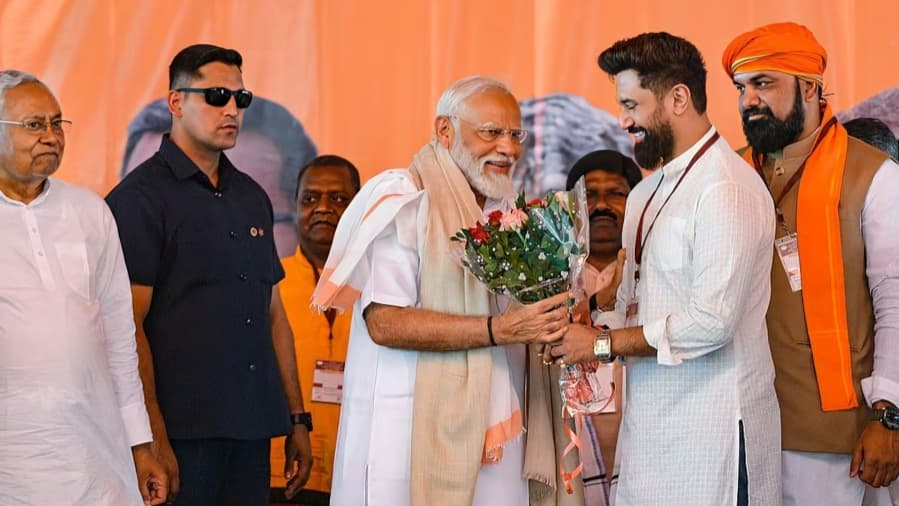
Bihar’s political landscape is witnessing a fresh round of negotiations as BJP and Janata Dal (United) (JDU) push back against the recent demand by Lok Janshakti Party (Ram Vilas) leader Chirag Paswan for a Deputy Chief Minister position. The demand comes amid ongoing discussions over power-sharing and coalition responsibilities in the state government.
Chirag Paswan, who leads the LJP(RV) faction, reportedly requested the deputy CM post citing the party’s contribution to the coalition’s overall performance in previous elections and its influence in key constituencies. Paswan has argued that recognition in the form of a prominent post would not only strengthen his party’s role but also boost morale among its cadre.
However, senior leaders from BJP and JDU have rejected this demand, emphasizing that positions within the coalition government are allocated based on electoral strength, alliance negotiations, and previously agreed-upon arrangements. Sources indicate that both parties are keen to maintain stability and avoid giving precedence to demands that could unsettle the existing balance of power.
Political analysts observe that this disagreement highlights the challenges of coalition politics, where smaller parties often seek greater representation and influence, while dominant partners seek to preserve their control and decision-making authority. Bihar’s ruling alliance has historically been cautious about extending top-level posts to minor coalition partners unless it aligns with broader strategic goals.
The BJP and JDU leadership has reportedly communicated to Chirag Paswan that while his party’s contributions are acknowledged, there is no immediate plan to alter the coalition’s structure. Both parties stressed that LJP(RV) can continue to influence policymaking and governance through collaboration within the existing cabinet framework rather than through the Deputy CM post.
This development comes at a politically sensitive time in Bihar, with upcoming local elections and internal assessments of party performance. Analysts note that accommodating smaller partners is always a balancing act, particularly when the coalition’s main parties seek to maintain a unified public image and minimize internal friction.
Chirag Paswan’s demand, though currently rejected, may lead to further negotiations or political maneuvering in the coming weeks. Both sides are reportedly engaging in discussions to ensure that coalition unity is maintained while addressing the smaller party’s aspirations through other influential roles or responsibilities.
The situation reflects a broader pattern in Indian coalition politics, where regional and splinter parties leverage their support to negotiate key posts, but dominant partners often resist concessions that could dilute their authority. How this dynamic evolves will be closely watched by political observers, particularly in the context of Bihar’s strategic importance in national politics.
Ultimately, the BJP and JDU’s response signals their intent to maintain the current power-sharing formula, stressing that governance and alliance stability take precedence over accommodating new demands. Chirag Paswan and LJP(RV) will need to navigate this landscape carefully to ensure continued relevance and influence within the coalition framework.