
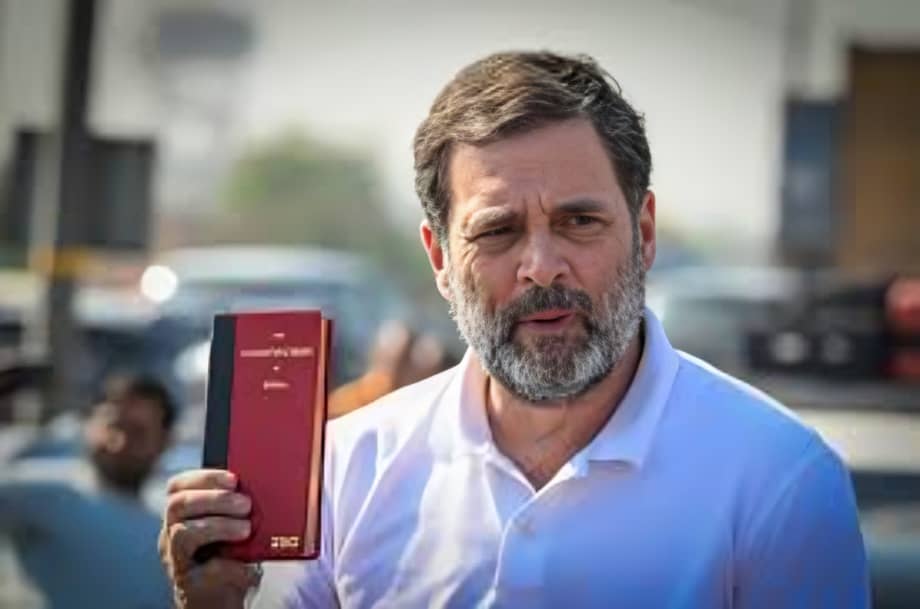
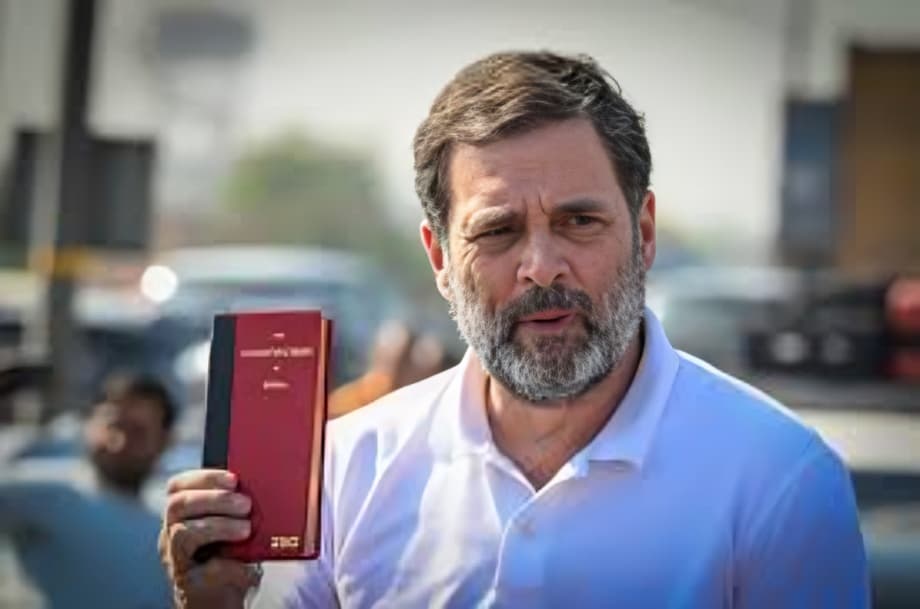
The Bharatiya Janata Party has launched a sharp attack on Congress leader Rahul Gandhi, accusing him of defaming India through his statements made during visits and interactions abroad. BJP leaders claimed that Gandhi’s remarks on international platforms present a distorted picture of India’s democratic institutions, governance, and social harmony.
Addressing the media, BJP spokespersons said that raising internal political issues outside the country harms India’s global image. They argued that criticism of the government should be voiced within democratic forums at home, rather than on foreign stages. According to the BJP, such statements risk undermining confidence in India’s institutions and provide ammunition to forces that seek to criticise the country internationally.
The ruling party maintained that India has made significant progress in areas such as economic growth, infrastructure development, and global diplomacy. BJP leaders alleged that Rahul Gandhi ignores these achievements and selectively highlights issues to create a negative narrative. They further stated that political competition should not cross national boundaries, especially when it comes to sensitive matters related to democracy and governance.
In response, the Congress party defended Rahul Gandhi, asserting that raising concerns about democratic values, constitutional principles, and social issues is not anti-national. Congress leaders said that speaking about challenges facing the country is part of responsible opposition politics and helps strengthen democracy. They added that India’s global reputation is rooted in its openness and willingness to engage in honest self-reflection.
The Congress also accused the BJP of attempting to silence dissent and avoid accountability by branding criticism as defamation of the nation. According to the party, Rahul Gandhi’s remarks are aimed at highlighting issues faced by ordinary citizens and encouraging constructive dialogue, both domestically and internationally.
The political exchange has once again brought into focus the broader debate over how Indian leaders should engage with international audiences. While the BJP insists that domestic matters should remain within the country’s political discourse, the opposition argues that global platforms are legitimate spaces to discuss democratic values, especially in an interconnected world.
Political analysts note that such exchanges are common during periods of heightened political activity and often reflect deeper ideological divides. As national elections approach, statements made by senior leaders are likely to be scrutinised more closely, both at home and abroad.
The controversy underscores the sharp polarisation in Indian politics, with both sides holding firm to their positions. As the debate continues, it remains to be seen how such exchanges will influence public opinion and political narratives in the coming months.


