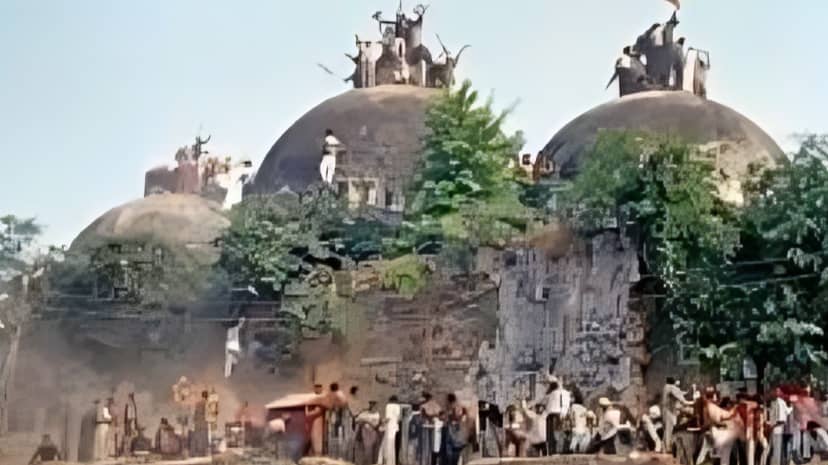
BJP leader Dilip Ghosh has raised strong objections to plans for constructing a Babri Masjid in West Bengal, alleging that the project is linked to a broader conspiracy to create Bangladesh. Speaking to the media, Ghosh described the proposed construction as a “gift” from Chief Minister Mamata Banerjee, criticizing the state government for not taking action to prevent it.
The controversy has emerged following an announcement by a Trinamool Congress (TMC) MLA, who intends to build the mosque and simultaneously launch a new political party. The MLA has defended the project, stating that the construction is fully constitutional and within legal rights. The proposed development is not limited to the mosque alone; it also includes plans for a hospital and a guesthouse intended to serve the local community.
The BJP has expressed concerns over potential socio-political implications of the mosque project. Dilip Ghosh argued that such initiatives could destabilize regional harmony and raise security concerns. He has questioned the state government’s approach, alleging that authorities have failed to examine the project’s broader impact on West Bengal’s social and political landscape.
On the other hand, the TMC MLA has maintained that the mosque’s construction is a lawful initiative aimed at providing community facilities. Supporters of the project argue that the mosque, along with the hospital and guesthouse, could serve as a public service initiative rather than a politically motivated act. The MLA emphasized adherence to constitutional provisions, asserting that religious freedom and the right to build places of worship are protected under Indian law.
Political analysts note that the issue could become a significant point of contention ahead of upcoming elections, reflecting ongoing tensions between BJP and TMC in the state. The debate also underscores the sensitivity surrounding religious structures and communal balance in West Bengal.
Legal experts have highlighted that any construction of religious structures must comply with local laws, zoning regulations, and approval processes. They emphasize that constitutional rights allow for freedom of religion, but projects must ensure public safety, civic infrastructure compliance, and non-interference with existing communities.
The BJP has called for greater scrutiny of the project, urging the state government to take preventive measures and ensure transparency in all approvals. Dilip Ghosh’s statements suggest the party may pursue further political and legal action if necessary, framing the mosque construction as part of larger concerns about governance and communal stability.
Meanwhile, the TMC maintains that the project is a legitimate community initiative and rejects allegations of any conspiracy. Supporters have highlighted the mosque’s potential to provide social services, including healthcare and accommodation, in addition to its religious purpose.
As the debate continues, the West Bengal Babri Masjid plan is expected to draw attention from both political parties and the public. Legal challenges, political campaigns, and media coverage will likely shape the narrative surrounding the mosque, its associated facilities, and their impact on the state’s socio-political environment.