As West Bengal moves closer to the Assembly elections political activity in the state is gaining momentum. Leaders from various parties have begun intensifying their campaigns and outlining their strategies. In this context Bharatiya Janata Party candidate Dibakar Gharami has expressed confidence that a significant political change is likely in the state.
Gharami who is contesting from the Sonamukhi constituency stated that voters are looking for an alternative and are ready to support a new direction in governance. He emphasised that the upcoming elections present an opportunity for change and expressed optimism about the prospects of the Bharatiya Janata Party and its allies.
A key aspect of his message was the importance of unity among alliance partners. Gharami called on all supporting parties and leaders to work together and coordinate their efforts to achieve a common goal. He noted that a united approach would strengthen the alliance’s position and improve its chances in the elections.
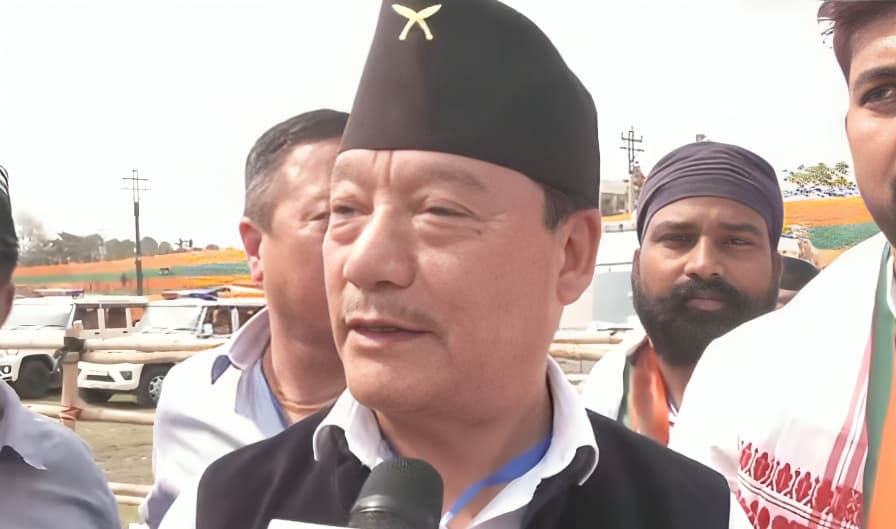
Adding to this call for unity Gorkha Janmukti Morcha leader Bimal Gurung also urged alliance partners to come together and focus on collective success. He highlighted the need for cooperation and effective coordination among parties that are working towards similar objectives. According to Gurung collaboration among allies is essential to present a strong challenge in the elections.
The concept of a double engine government was also mentioned during the campaign. This term is often used to describe a situation where the same party or alliance is in power at both the state and central levels. Supporters believe that such an arrangement can lead to better coordination in policy implementation and development initiatives.
The political landscape in West Bengal has been evolving over the years with different parties gaining and losing ground in various regions. The upcoming elections are expected to be closely contested as parties seek to expand their influence and connect with voters on key issues.
Campaign strategies are likely to focus on development governance employment and public welfare. Leaders are engaging with voters through rallies meetings and outreach programs to communicate their vision and address local concerns. The role of alliances is particularly important as it can influence voter perception and electoral outcomes.
Observers note that while political statements reflect confidence the actual outcome will depend on several factors including voter turnout campaign effectiveness and ground level support. The electorate in West Bengal is known for its active participation in the democratic process making the elections highly competitive.
As the election date approaches the focus will remain on how parties manage their alliances and present their agendas to the public. Calls for unity and coordinated efforts are expected to play a significant role in shaping campaign dynamics.
Overall the statements by leaders such as Dibakar Gharami and Bimal Gurung highlight the ongoing efforts to consolidate support and build momentum ahead of the polls. The coming weeks are likely to witness intensified campaigning as parties aim to secure voter confidence in one of the most politically significant states in the country.