
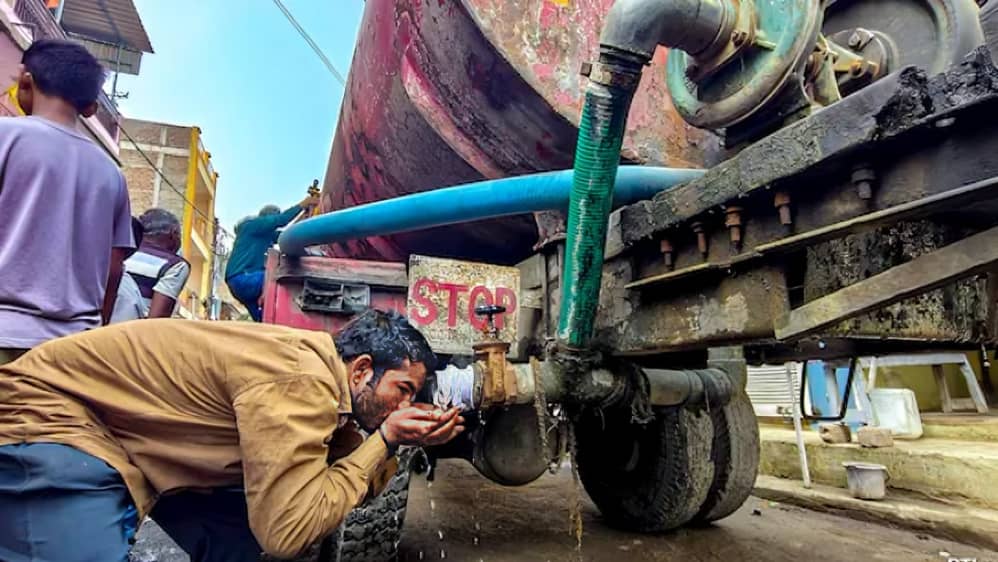
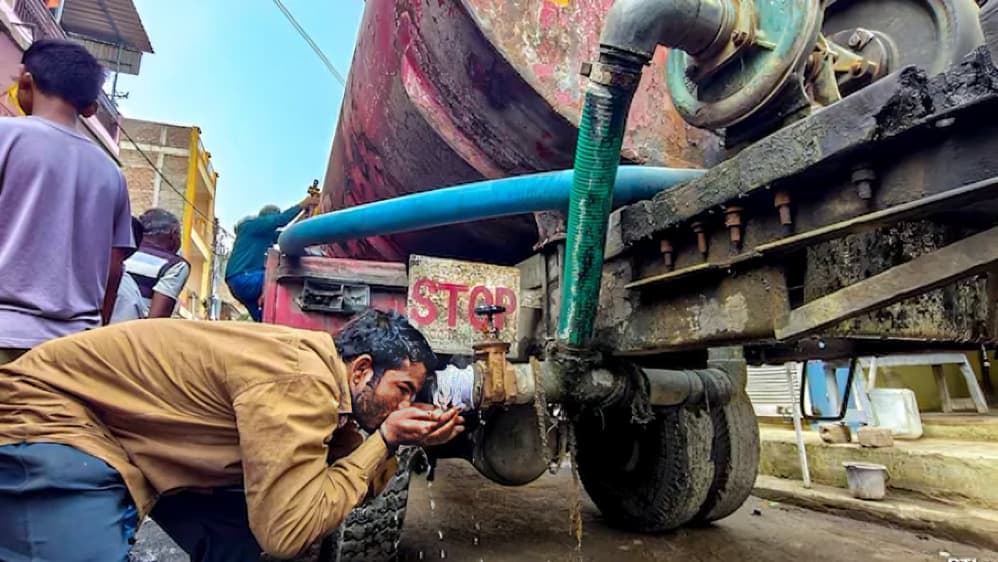
In the wake of the recent water contamination incident in Indore, which raised concerns over public health and water safety, BJP MP from Khandwa, Gyaneshwar Patil, has called on citizens to actively monitor and ensure the cleanliness of drinking water in their localities. Speaking about the incident, Patil stressed the importance of public vigilance and timely reporting of water-related issues to local authorities to prevent similar tragedies in the future.
Patil highlighted that while the government is responsible for providing safe drinking water, it cannot be the sole guardian of water safety. Citizens must take an active role in monitoring the quality of water supplies, identifying contamination, and reporting deficiencies to municipal or state authorities. “Public accountability is critical. Every individual must help ensure that water supplied to households is safe for consumption,” he said.
The MP noted that contamination incidents, like the one in Indore, can have severe consequences for public health, including outbreaks of waterborne diseases. He urged community members to be proactive by checking water storage and supply systems, ensuring proper hygiene in local water tanks, and bringing any irregularities or concerns to the attention of officials immediately.
Patil’s statement also emphasized collaborative efforts between the administration and the public. He explained that while municipal authorities maintain pipelines and water treatment systems, local residents are often the first to notice signs of contamination or malfunction. By working together, authorities and communities can prevent incidents before they escalate into health crises.
The Indore tragedy, which exposed weaknesses in monitoring water quality, has reignited discussions about the need for stricter oversight, better maintenance of supply systems, and increased public awareness regarding water safety. Experts point out that contamination can occur due to poor infrastructure, inadequate chlorination, or leaks in distribution networks. Therefore, citizen reporting plays a key role in supplementing government efforts to maintain safe water standards.
Patil also suggested that local committees or resident welfare associations should conduct routine inspections of water supply and encourage households to report issues promptly. He stressed that such measures would ensure accountability at both administrative and community levels, helping prevent health hazards and improving trust in municipal water services.
In conclusion, Gyaneshwar Patil’s remarks underline the necessity of shared responsibility in safeguarding drinking water. Citizens’ active participation, combined with government monitoring, is essential to maintain water quality and prevent future contamination incidents, ensuring the safety and well-being of communities across India.


