
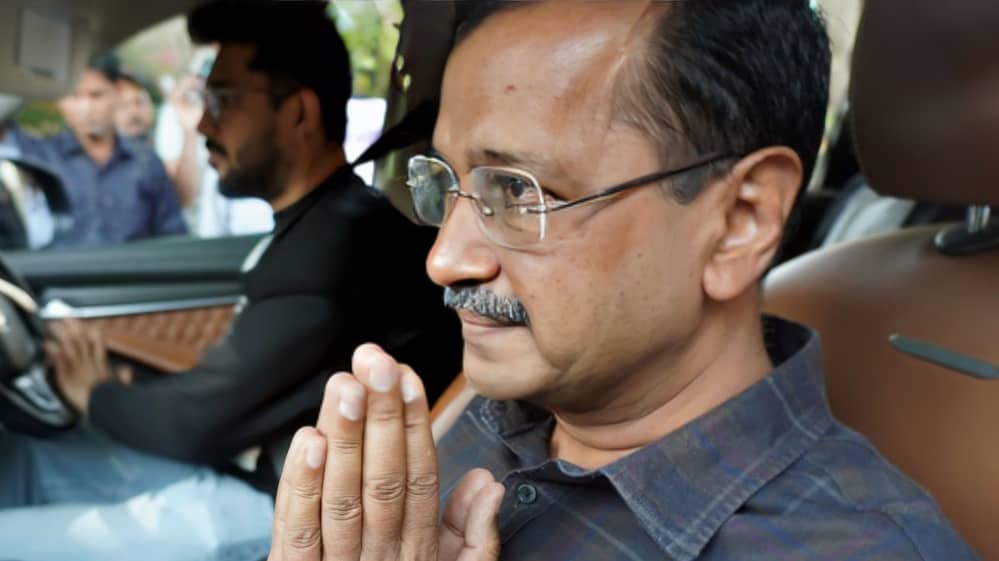

The Central Bureau of Investigation has announced that it will immediately move the Delhi High Court to challenge a trial court order discharging Aam Aadmi Party leaders Arvind Kejriwal and Manish Sisodia, along with 21 others, in the Delhi excise policy case. The trial court’s decision, which absolved the leaders of all charges, has drawn widespread political attention, with opposition parties criticizing the ruling while AAP hailed it as a vindication of their integrity. The CBI’s challenge underscores that the matter is far from closed and that the agency is intent on pursuing judicial review in a higher court.
Officials stated that the agency will file an appeal or special leave petition with the Delhi High Court, arguing that the trial court erred in its legal analysis and interpretation of the provisions under which the case was registered. The CBI contends that further investigation and judicial scrutiny are warranted, given the allegations that the excise policy was allegedly misused to benefit certain individuals. Legal experts note that the High Court will now review the trial court’s findings to determine whether the discharge was legally sound and if the matter warrants a deeper examination.
The excise policy case has been politically sensitive since its inception. Allegations of irregularities in policy formulation and implementation had led to the registration of the FIR, drawing intense scrutiny from both media and political observers. The discharge of Kejriwal and Sisodia triggered strong reactions across party lines, with opposition leaders alleging political interference, while AAP leaders termed the trial court’s decision a reaffirmation of their commitment to transparent governance.
The CBI’s decision to challenge the discharge is likely to extend the legal proceedings and ensure that the case remains in the public spotlight. Analysts predict that the Delhi High Court will take time to assess the validity of the agency’s arguments, which may involve reviewing procedural lapses, interpretation of laws, and evidence presented during the trial. The outcome of the High Court proceedings will have significant implications for the political environment in Delhi, especially in the run-up to upcoming state and national elections.
Observers note that the case exemplifies the complex intersection of politics, law, and governance in India. While judicial decisions provide legal closure, political narratives often continue to shape public perception. The CBI’s move to approach the High Court emphasizes the ongoing contest between the state apparatus, investigative agencies, and elected political leadership, highlighting the intricate balance between law enforcement and democratic accountability in the country.


