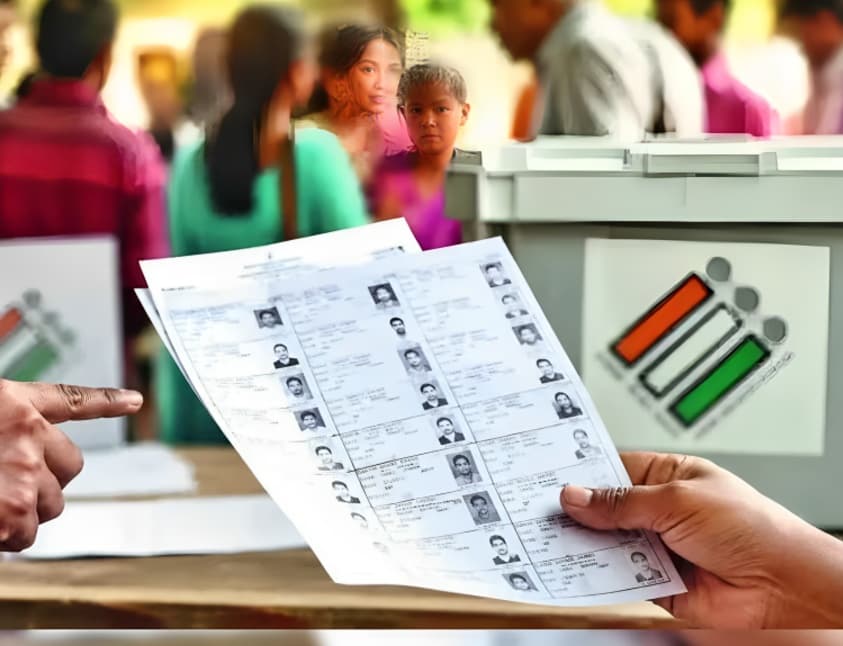
The Indian government has officially initiated the process for conducting the next national census, while indicating a willingness to consider the inclusion of caste-based data collection. In response to mounting demands from political parties and social groups, the government stated that it is “open” to the idea of a caste count, which could provide crucial data on the socio-economic conditions of various caste groups in the country.
A caste-based census, if implemented, would be the first of its kind in India since the British colonial administration conducted a similar survey in 1931. Supporters argue that such a census is necessary to understand the real-time demographic distribution of caste groups and to address issues related to social justice, representation, and the allocation of public resources.
Opponents, however, raise concerns that including caste in the census could deepen social divisions and lead to political exploitation. The government, while considering these viewpoints, has refrained from making any concrete promises but has kept the option on the table.
With general elections on the horizon, the discussion on a caste census is becoming a politically charged issue. Many regional parties, especially those representing backward classes, are pushing for its inclusion, arguing that the current system of reservation and welfare schemes does not accurately reflect the needs of different caste groups without updated data.
As the census process unfolds, it remains to be seen whether caste data will be included and how it will influence policy decisions in the future. The government is expected to hold further consultations with state governments and stakeholders before making a final decision.