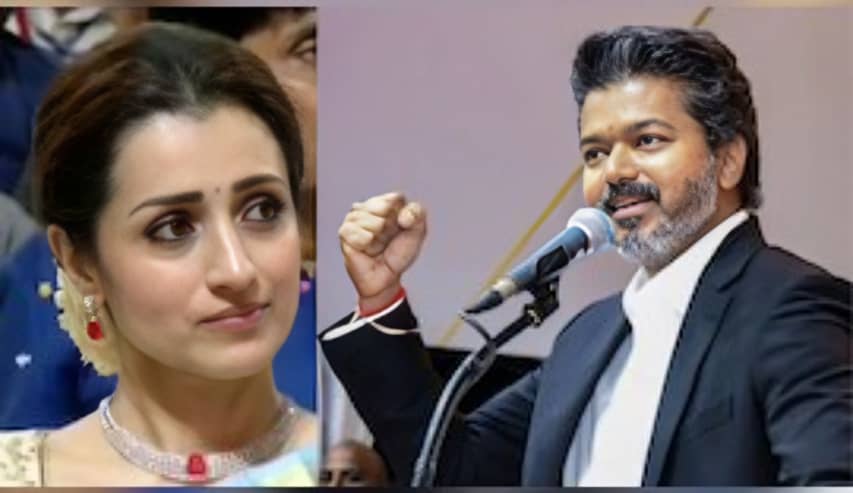
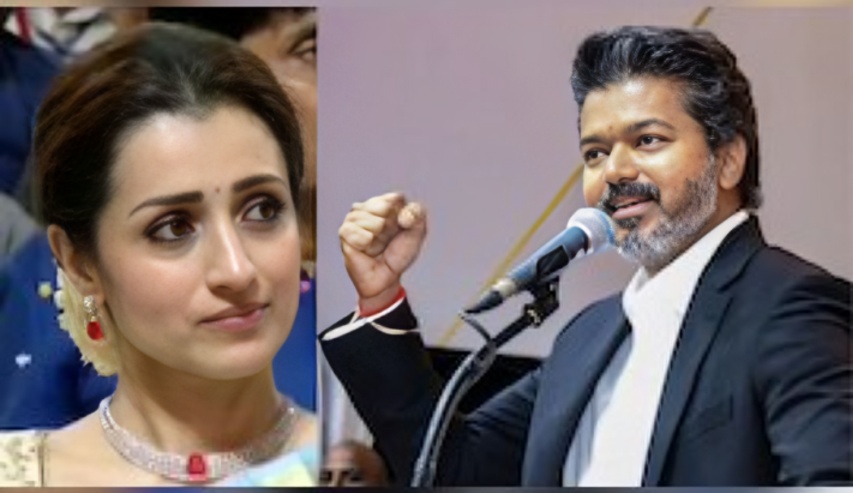
Tamil Nadu Chief Minister C Joseph Vijay on Monday strongly criticised abusive and personal remarks directed at women during his reply to the demand for grants for the police department in the state Assembly. His remarks came against the backdrop of an ongoing political controversy involving Leader of Opposition Udhayanidhi Stalin and comments that were widely interpreted as referring to actor Trisha.
Speaking in the Assembly, Vijay said political parties and leaders could engage in strong criticism of the government and its policies, but such criticism should not cross the line into personal attacks against women. He made it clear that his government would not accept abusive or defamatory language targeting women.
The Chief Minister's remarks came at a time when political tensions between the ruling Tamilaga Vettri Kazhagam government and the opposition DMK have intensified. The controversy surrounding Udhayanidhi Stalin began after remarks made during a public event on the Cauvery water issue were widely interpreted by critics as containing a double meaning reference to actor Trisha. The remarks triggered a political backlash and subsequently led to police action against Stalin.
The issue has since become part of the wider political debate in Tamil Nadu over the language used by political leaders when criticising their opponents. Vijay used the Assembly platform to draw a distinction between political criticism and personal attacks. According to reports, he said that opponents were free to criticise him, his government and his political decisions, but offensive comments targeting women would not be acceptable.
The Chief Minister's intervention comes after repeated political controversies involving comments about women and the personal lives of political leaders. The Trisha controversy has generated criticism from political parties and public figures, with concerns raised over the use of women as subjects in political attacks. TVK has previously approached the National Commission for Women seeking action over Udhayanidhi Stalin's controversial remarks.
Vijay's Assembly speech also went beyond the issue of remarks against women. During his response to the police department's demand for grants, he referred to a communication from the Enforcement Directorate and renewed allegations concerning funds collected during the previous DMK regime. The issue added another dimension to the political exchange between the ruling party and the opposition.
The Enforcement Directorate has been investigating various financial matters in cases involving political parties and individuals. However, allegations raised during political debates should be distinguished from findings established through investigation or judicial proceedings. Vijay's reference to the ED communication was part of his broader criticism of the opposition's political conduct.
During his speech, Vijay also referred to prominent Tamil figures, including poet and lyricist Kannadasan, while making his political argument. He additionally invoked the memory of former Tamil Nadu Chief Minister J Jayalalithaa while criticising the conduct of opposition members in the Assembly.
The exchange reflects the increasingly sharp political contest between the ruling TVK and the DMK-led opposition. Since the TVK government assumed office, the Assembly has witnessed several heated exchanges between Vijay and Udhayanidhi Stalin over law and order, governance and political issues. Earlier in the week, the two leaders had also clashed over allegations concerning the state's law and order situation.
The controversy over Udhayanidhi Stalin's remarks has also extended beyond the Assembly. Tamil Nadu Police registered a case following the remarks, and Stalin was subsequently arrested and questioned. He later maintained that his statement had been misunderstood and denied making an objectionable reference to Trisha. According to his later explanation, he had been speaking about the Cauvery water issue and did not intend any reference to the actor.
The dispute has therefore developed into a broader debate over political language, women's dignity and the limits of public criticism. Supporters of Vijay argue that political leaders should maintain decorum when addressing women, while the opposition has continued to challenge the government's policies and decisions.
Vijay's latest remarks are significant because they were made inside the state Assembly while responding to a formal demand for grants. Rather than limiting his response to administrative matters concerning the police department, he used the opportunity to address the wider political controversy and set out his position on personal attacks against women.
The Chief Minister also emphasised the role of women in his political journey. According to reports, he said women had played a major role in his political victory and warned against abusive language directed at them.
The episode has once again brought the issue of political discourse in Tamil Nadu into focus. While strong disagreement and criticism are an accepted part of democratic politics, remarks involving individuals' personal lives can quickly become politically contentious.
The latest developments are expected to keep the dispute between the ruling TVK and the opposition DMK in the spotlight. The Assembly debate, the ongoing legal proceedings related to the Trisha controversy and the political allegations involving the Enforcement Directorate are likely to remain subjects of discussion in the coming days.
For now, Vijay's central message in the Assembly was that political criticism should remain within democratic boundaries and should not turn into abusive or defamatory personal attacks against women. The controversy has also highlighted the continuing political rivalry between the ruling party and the opposition as the government faces scrutiny over its administration and policy decisions.