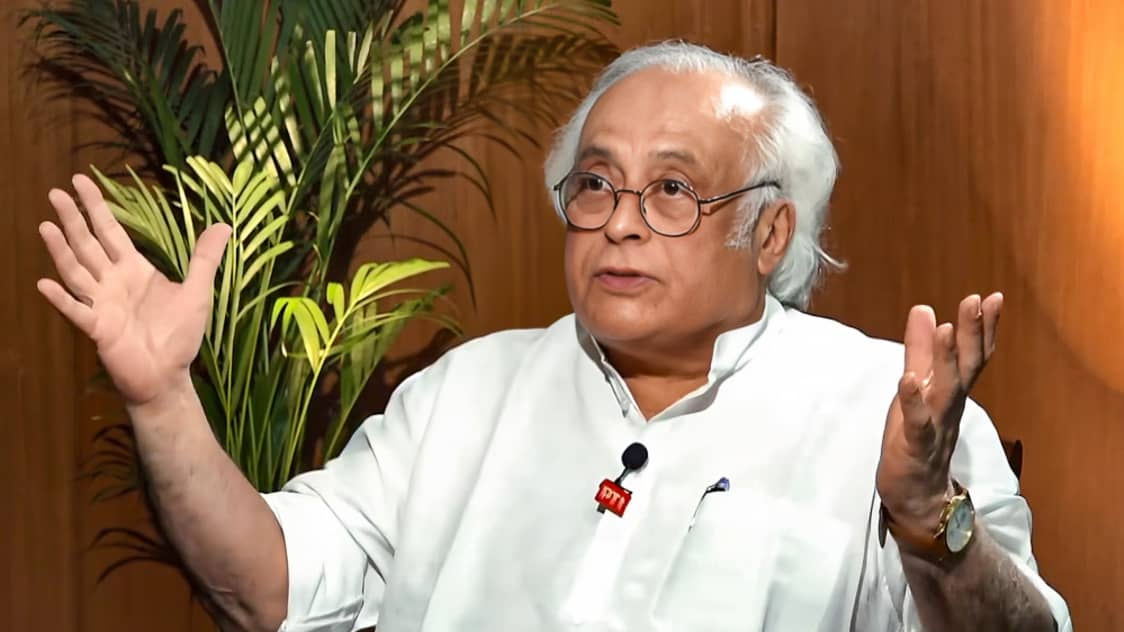
n his statement, Ramesh referred to the additional employment provision that had been available under MGNREGA to certain categories of beneficiaries. Under the earlier framework, eligible households in specified drought-affected and flood-affected areas could receive additional employment beyond the standard 100-day annual guarantee. A similar additional entitlement was extended to beneficiaries of the Forest Rights Act, 2006, according to the Congress leader.
Ramesh said that eligible beneficiaries from Adivasi and other traditional forest-dwelling communities who held rights under the Forest Rights Act could be affected by the changes. He argued that the new framework had removed the earlier additional employment provision for these groups.
The Congress has expressed concern that losing access to this additional entitlement could affect families that depend on wage employment during periods of financial hardship. However, the extent of any impact on individual beneficiaries would depend on the applicable provisions, eligibility conditions and implementation arrangements.
The party has also linked the issue to wider concerns about the transition from MGNREGA to the new law. It argues that changes to the legal and administrative framework could affect the ability of rural workers to secure employment when they need it.
Congress Alleges Technology-Driven Exclusion
Another major concern raised by the Congress is the use of technology in administering rural employment programmes. Ramesh alleged that digital systems, including Aadhaar-based payment requirements and the National Mobile Monitoring System, could contribute to the exclusion of eligible workers.
The National Mobile Monitoring System is used for digital attendance monitoring in employment-related works. Aadhaar-based payment arrangements are intended to facilitate the transfer of wages to beneficiaries' bank accounts. The Congress has questioned whether these mechanisms could create difficulties for workers who face problems with authentication, documentation, connectivity or banking access.
Ramesh also referred to job-card deletions and alleged that millions of people from vulnerable communities had already faced exclusion under the earlier system. These statements are allegations made by the opposition party and should not be interpreted as an independently established assessment of the number of people affected.
The broader debate concerns how digital monitoring and payment systems can improve transparency while ensuring that eligible rural workers are not denied employment or wages because of technical or administrative difficulties.
Government Cites Expanded Employment Guarantee
The Centre has presented the VB-G RAM G Act as a measure to strengthen rural livelihoods and improve employment security. According to the Union government's published information, the new legislation provides a statutory guarantee of 125 days of wage employment per financial year to eligible rural households whose adult members volunteer to undertake unskilled manual work.
This represents an increase from the standard 100-day guarantee under MGNREGA. The government has also highlighted the law's focus on rural infrastructure, water-related works, sustainable livelihoods and the use of technology for planning, monitoring and transparency.
The Ministry of Rural Development has stated that the new framework includes provisions for unemployment allowance where employment is not provided within the prescribed period and compensation for delayed wage payments, subject to the applicable statutory conditions.
The government has also said that gram panchayats will continue to play an important role in implementing the programme. Its stated objective is to integrate local development planning with broader infrastructure and livelihood initiatives.
These provisions form an important part of the government's response to criticism of the new law. The central question in the debate is how the statutory employment guarantee will operate in practice, including whether eligible workers can access work promptly and receive wages within the prescribed timelines.
Concerns Over the Role of Gram Panchayats
The Congress has argued that the new legislation concentrates decision-making powers at higher levels of government and could reduce the authority of gram panchayats. Local bodies play a significant role in identifying community needs, planning village-level works and connecting residents with rural employment opportunities.
The party's criticism centres on whether changes to planning, funding and monitoring arrangements could limit local flexibility. It has also questioned whether a more centrally coordinated system would adequately reflect the employment needs of individual villages.
The government, meanwhile, has described the new framework as an integrated approach to rural development. Official information highlights the preparation of village development plans and the coordination of projects across different levels of administration.
The practical impact on gram panchayats will depend on how the law and its associated rules are implemented, how responsibilities are distributed and how local bodies participate in planning and execution.
Why the Debate Matters for Rural Workers
Rural employment programmes are an important source of income for households that rely on seasonal agricultural work, casual labour and public works. For vulnerable families, guaranteed wage employment can help meet essential expenses during periods when other work is unavailable.
Changes to eligibility rules, attendance requirements, payment systems and employment entitlements can therefore have significant consequences for rural communities. At the same time, effective monitoring and transparent payments are important for reducing irregularities and ensuring public funds reach intended beneficiaries.
The debate over the VB-G RAM G Act brings these priorities into focus. The Congress has called attention to the potential risks of exclusion and centralisation, while the government has emphasised the increased number of guaranteed employment days and the new programme's rural development objectives.
Assessing the impact of the legislation will require reliable implementation data, including information on employment provided, wage-payment delays, rejected transactions, grievance resolution and the participation of gram panchayats.
A Wider Political Debate Over Rural Employment
The dispute also reflects a broader political disagreement over the future of India's rural employment policy. The Congress has criticised the replacement of MGNREGA and questioned whether the new law preserves the earlier programme's rights-based approach. The Centre has defended the change as an expansion of employment security and an effort to strengthen rural infrastructure and livelihoods.
For workers and local administrations, the key issues will be the practical availability of employment, timely wage payments, accessible grievance mechanisms and protection against the exclusion of eligible beneficiaries.
As the new framework continues to be implemented, the effectiveness of its safeguards and the experience of rural households will be central to evaluating the competing claims made by the government and the opposition.
The Congress's latest statement has renewed attention on these questions, particularly the additional employment provisions previously available to certain forest-dwelling communities and the role of digital systems in delivering rural welfare benefits.