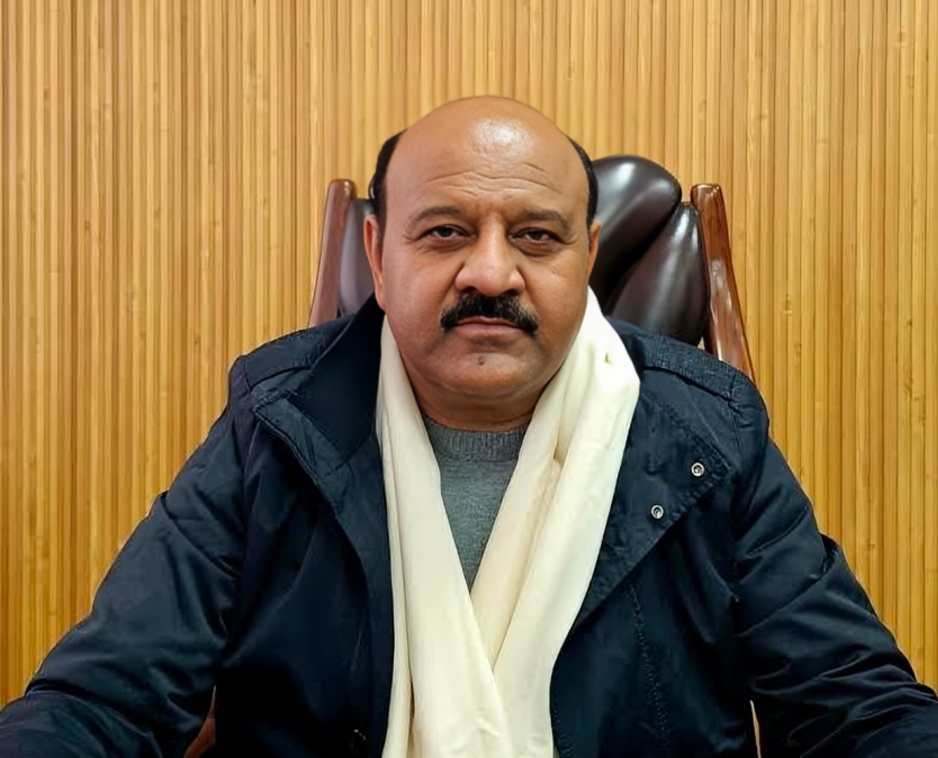
J&K Deputy Chief Minister Surinder Choudhary Demands Gyanesh Kumar's Resignation, Raises Concerns Over Protests and Unemployment
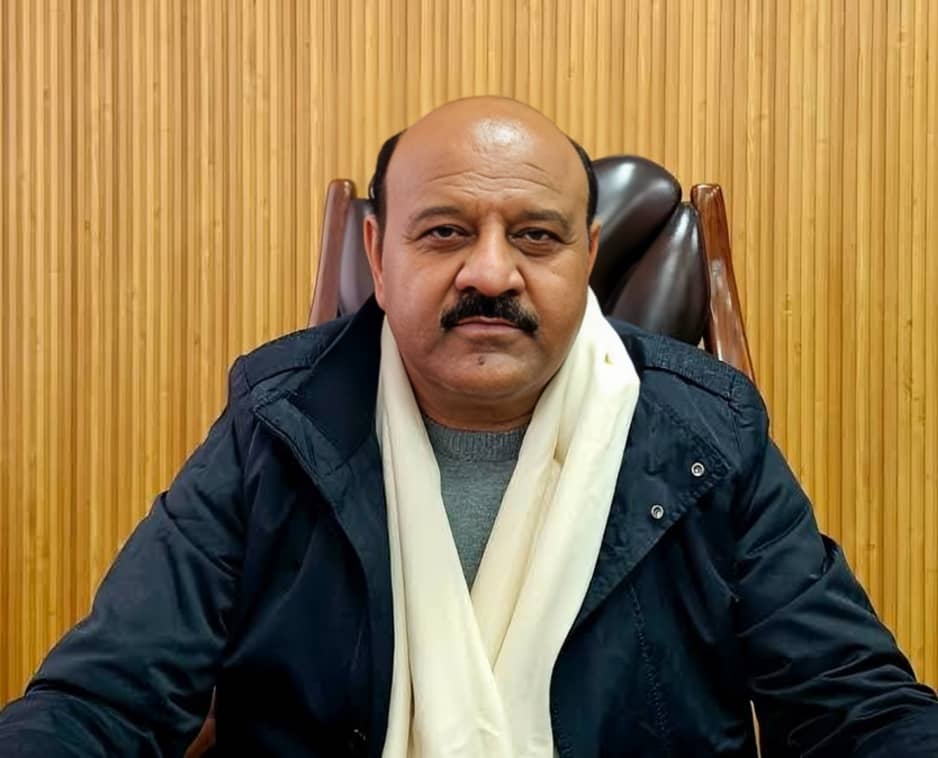
Jammu and Kashmir Deputy Chief Minister Surinder Choudhary has called for the resignation of Chief Election Commissioner Gyanesh Kumar, arguing that transparency and impartiality are essential to maintaining public confidence in India's democratic institutions. He also criticised the handling of protests in Delhi, raised concerns about unemployment among educated young people and opposed political interference in religious affairs.
Choudhary made the remarks while speaking to reporters during a visit to the Mata Kheer Bhawani Temple in Ganderbal, Jammu and Kashmir, on October 14. His comments came amid protests by youth groups and opposition supporters demanding accountability from the Election Commission of India.
Choudhary Calls for the Election Commission to Be Impartial
Choudhary said a transparent, active and impartial Election Commission was necessary to strengthen democracy in Jammu and Kashmir and across the country. He questioned why Gyanesh Kumar should continue in office while protesters were raising concerns about the electoral process.
The Deputy Chief Minister argued that public concerns about elections should be addressed through explanations and accountability rather than confrontation. He said young people who question the functioning of democratic institutions should be heard.
The demand for Kumar's resignation forms part of a wider political dispute over electoral transparency and changes to voter lists. Some opposition parties and protest groups have alleged irregularities in the revision of electoral rolls and questioned whether eligible voters have been affected. The Election Commission and the ruling party have rejected allegations of deliberate wrongdoing.
These remain contested political claims. The resignation demand reflects Choudhary's position and does not, by itself, establish that the allegations against the Election Commission have been proven.
Criticism of the Handling of Delhi Protests
Choudhary also criticised the reported use of force against demonstrators in Delhi who were demanding the Election Commission chief's resignation. He alleged that protesters, including young people and women, had faced harsh treatment instead of receiving answers to their concerns.
He maintained that peaceful protest and freedom of expression are important constitutional principles. According to Choudhary, the concerns of young citizens should be addressed through dialogue and appropriate institutional processes.
The protests have drawn attention from opposition leaders across the country. Demonstrators have called for greater transparency in electoral administration and accountability over allegations relating to voter-list revisions. Some protest organisers have also criticised restrictions on demonstrations and the detention of activists.
The handling of protests has become a separate point of political disagreement. While opposition leaders have questioned the response to demonstrators, authorities have referred to public-order considerations and applicable restrictions on gatherings. The circumstances surrounding individual detentions and police actions must be assessed using verified information from the relevant authorities.
Choudhary's comments underline the political importance of balancing public order with the right to peaceful expression and assembly.
Youth Unemployment Emerges as Another Concern
The Deputy Chief Minister also highlighted unemployment among educated young people. He said many families make substantial financial sacrifices to educate their children, only for graduates to struggle to secure jobs in either the public or private sector.
He argued that the concerns of young people extend beyond electoral issues and include employment opportunities, recruitment and economic security. Choudhary said the government and relevant institutions should take these concerns seriously.
Youth unemployment remains a significant public-policy issue because access to stable employment affects household incomes, financial independence and confidence in future opportunities. In Jammu and Kashmir, discussions about employment often include recruitment processes, government vacancies, private-sector opportunities and the development of local industries.
Choudhary's remarks connect the ongoing protests with the wider frustration expressed by some young people over jobs and accountability. However, the scale of unemployment and the causes behind it should be assessed using official labour-market statistics rather than political statements alone.
Opposition to Standardised Friday Sermons
Choudhary also commented on the controversy surrounding a proposal discussed by the Jammu and Kashmir Waqf Board to standardise themes for Friday sermons in mosques and shrines.
He said political parties should not interfere in the religious affairs of any community. Referring to different faiths, he argued that religious practices should remain free from political direction.
The issue has generated debate in Jammu and Kashmir, with several political leaders expressing concern that a uniform approach to Friday sermons could interfere with religious autonomy. Critics have questioned whether a common set of themes should be prescribed for religious gatherings across the Union Territory.
The Waqf Board controversy followed discussions about forming a committee of imams and religious scholars to identify topics for sermons. After the proposal attracted criticism, Waqf Board chairperson Darakhshan Andrabi said that no formal directions for uniform sermons had been issued.
This distinction is important: the controversy arose from discussions about a possible standardised approach, but the board chairperson subsequently stated that no such directions had been passed. The issue therefore involves both the proposal discussed and the board's clarification about its status.
Choudhary's position is that political authorities and parties should respect the independence of religious affairs, regardless of the community concerned.
Call for Accountability and Dialogue
The Deputy Chief Minister's remarks bring together three major issues in the current political debate: confidence in electoral institutions, employment opportunities for young people and the relationship between politics and religious affairs.
His demand for the Chief Election Commissioner's resignation reflects concerns voiced by some opposition leaders and protest groups about electoral transparency. At the same time, the allegations surrounding voter-list revisions remain disputed, and the Election Commission's position should be considered when reporting claims about the electoral process.
His criticism of the handling of protests raises questions about how authorities respond to demonstrations and how constitutional freedoms are protected while maintaining public order. His comments on unemployment highlight the importance of employment opportunities for educated young people and the economic pressures faced by families.
On the Waqf Board issue, Choudhary has emphasised the need to keep religious matters separate from political intervention. The board's clarification that no formal directions for uniform sermons had been issued is also relevant to understanding the controversy.
Political Debate Continues
Choudhary's statements add to the ongoing political debate over the functioning of democratic institutions and the rights of citizens to raise concerns publicly. His demand for Gyanesh Kumar's resignation is based on his assessment that the Election Commission must maintain public confidence through transparency and impartiality.
The wider issues raised during his remarks are likely to remain part of political discussion in Jammu and Kashmir and elsewhere in India. The central questions concern how allegations about elections are investigated, how peaceful protests are handled, how employment challenges are addressed and how religious autonomy is respected.
Any assessment of these issues will depend on verified facts, official records and responses from the institutions concerned. For now, Choudhary has made his position clear: he wants greater electoral accountability, a response to youth unemployment and protection against political interference in religious affairs.