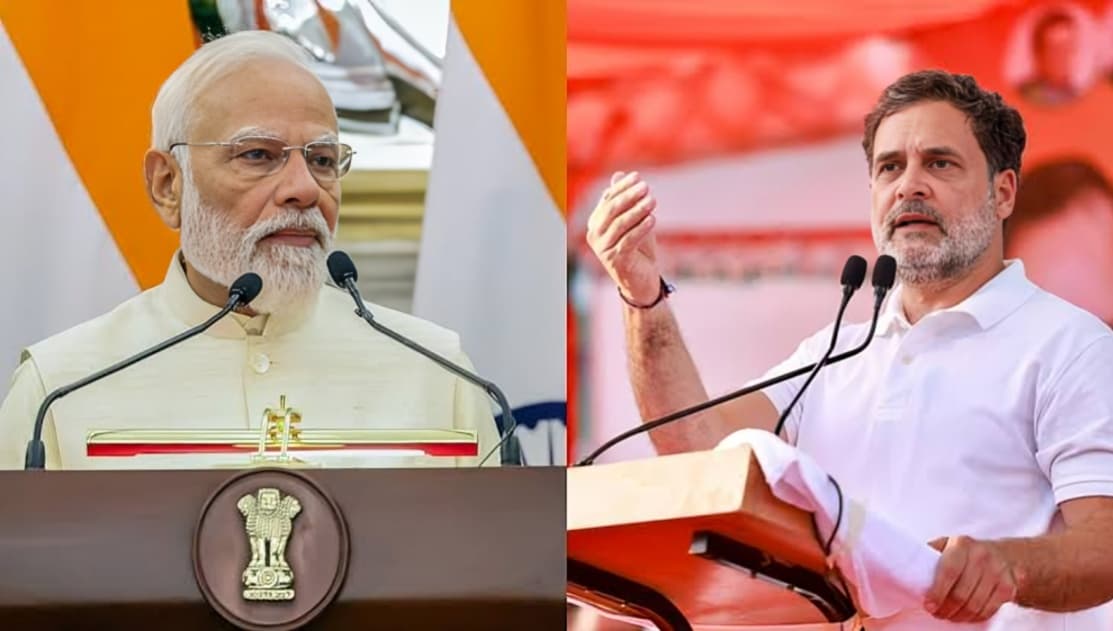
Indian National Congress has raised concerns over India’s foreign policy approach under the leadership of Narendra Modi, marking the anniversary of the terror attack in Pahalgam. The political party has alleged that Pakistan’s current international standing reflects shortcomings in India’s diplomatic efforts.
The Pahalgam attack, which took place in Jammu and Kashmir, resulted in the loss of 26 lives and triggered strong reactions across the country. The incident was widely condemned, and India responded with a military operation targeting suspected militant infrastructure. The government at the time stated that the response was necessary to ensure national security and send a clear message against cross border terrorism.
On the anniversary of the attack, Indian National Congress issued statements suggesting that Pakistan has managed to improve its global perception despite its past involvement in such incidents. According to the party, this development points to what it describes as a gap in India’s foreign policy execution.
The criticism focuses on the broader diplomatic strategy followed by the government in recent years. The Congress party has argued that India should have taken more effective steps to isolate Pakistan on international platforms. It claims that the perceived improvement in Pakistan’s global standing indicates that such efforts may not have achieved the intended results.
It is important to note that these remarks represent the political position of the opposition party. The government has consistently maintained that its foreign policy has strengthened India’s global position and enhanced its relationships with key international partners. Officials have previously highlighted diplomatic engagements, strategic partnerships, and participation in global forums as indicators of India’s growing influence.
Experts in international relations often point out that global perception is influenced by multiple factors, including geopolitical developments, economic conditions, and regional cooperation. As a result, assessments of any country’s diplomatic success can vary depending on perspective.
The issue also highlights the ongoing political debate within India regarding national security and foreign policy priorities. Such discussions are common in democratic systems, especially around significant events and anniversaries that shape public opinion and political narratives.
While the Congress party has linked Pakistan’s global standing to India’s foreign policy, there has been no independent confirmation supporting a direct connection between the two. Analysts suggest that evaluating foreign policy outcomes requires a comprehensive understanding of international dynamics rather than isolated developments.
The anniversary of the Pahalgam attack serves as a reminder of the security challenges faced by the region and the importance of sustained diplomatic and strategic efforts. It also underscores the need for continued dialogue and evaluation of policies to address complex geopolitical issues.
As political reactions continue, the focus remains on how India balances its security concerns with diplomatic engagement in an evolving global environment.