
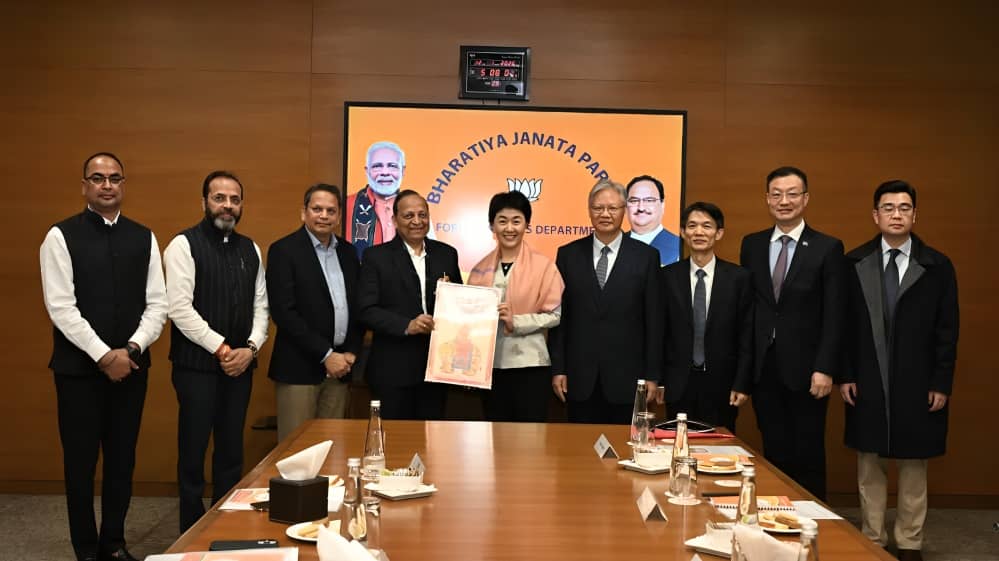
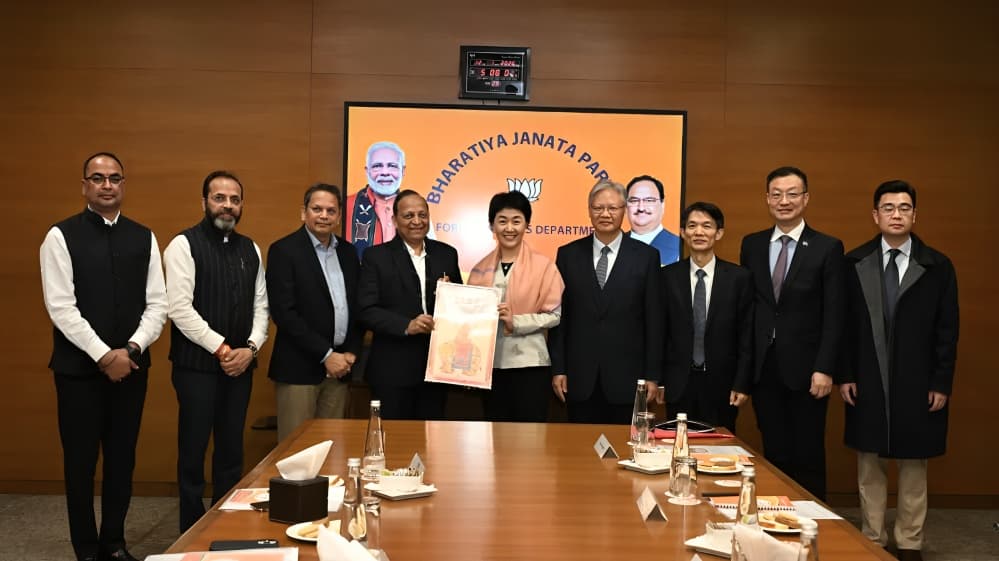
Congress has strongly criticized the BJP-led government for holding meetings with a delegation from the Communist Party of China (CPC), terming the move inconsistent with India’s prior hardline stance toward China. The remarks come amid ongoing debates about India-China relations following the Galwan Valley clash in 2020, which heightened tensions between the two countries.
A Congress spokesperson noted that the government had previously taken a strong position against China and Chinese firms in the aftermath of the Galwan incident, highlighting national security concerns. However, recent concessions and engagements with Chinese companies have raised questions about the consistency of India’s policies. According to Congress, meeting a CPC delegation while allowing economic privileges to Chinese businesses sends mixed signals regarding India’s strategic priorities.
The party stressed that India must maintain a consistent approach toward its geopolitical and economic relations with China, balancing national security interests with trade considerations. By hosting the CPC delegation, Congress argues, the government risks undermining its credibility both domestically and internationally. Critics claim that such engagements could encourage Chinese firms to seek further concessions while India continues to face border and security challenges.
The spokesperson emphasized that India’s citizens and businesses are closely monitoring the government’s interactions with China. Concerns were raised about potential impacts on trade, investment policies, and strategic sectors, including technology and infrastructure. Congress further asserted that transparency regarding the purpose of such meetings is essential to ensure that national interests are protected.
Political analysts note that engagements with foreign delegations are common in diplomacy, but the optics and timing of such interactions are critical. In the case of China, given the history of border conflicts and ongoing geopolitical sensitivities, meetings with party officials carry both diplomatic and political weight. Congress has urged the government to clarify the objectives of the CPC delegation’s visit and outline measures to safeguard India’s strategic and economic interests.
The opposition party has also called for parliamentary discussions on the issue, emphasizing the need for accountability and transparency. Congress maintains that public confidence in the government’s handling of foreign relations is crucial, especially when it involves countries with which India has complex and sensitive relations.
Observers suggest that the controversy highlights the delicate balance between diplomacy, trade, and security in India’s China policy. Congress has framed the engagement as a failure of strategy and has demanded a detailed explanation from the government regarding the outcomes and intentions of the meeting with the CPC delegation.
The ongoing political debate reflects broader concerns about India-China ties, including border security, trade imbalances, and technological collaboration. Congress insists that while diplomatic engagements are necessary, they should not compromise national security or economic self-reliance.


