
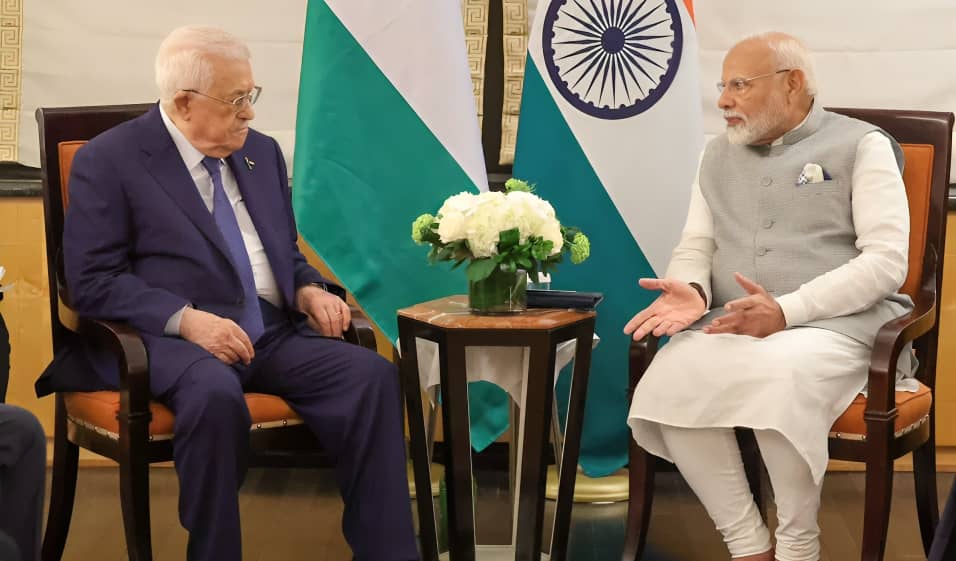
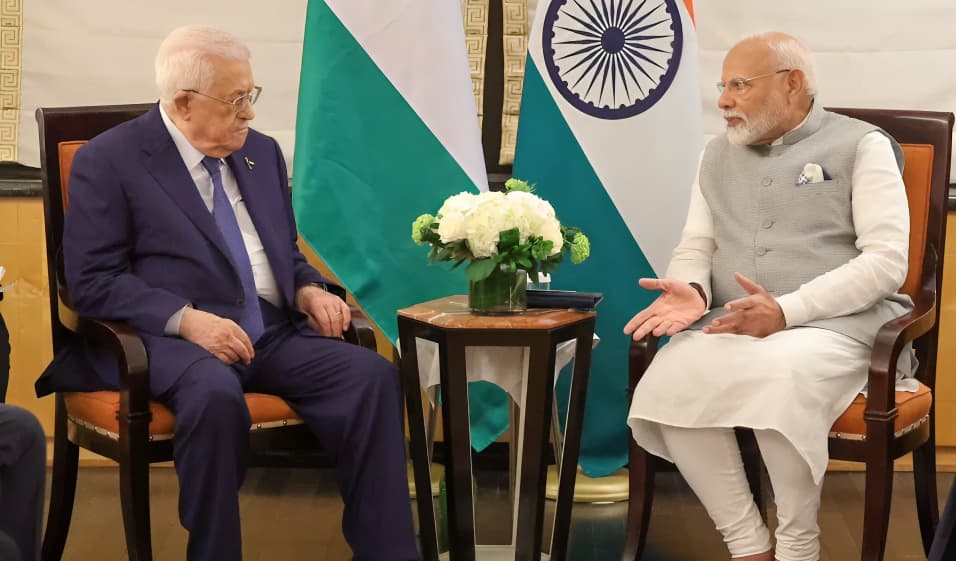
The Congress party has alleged that the government led by Narendra Modi is moving away from India’s longstanding position on Palestine ahead of the Prime Minister’s proposed visit to Israel on February 25. The opposition party raised concerns over recent developments in Gaza and questioned the Centre’s diplomatic approach in the region.
In a statement, Congress leaders said India has historically maintained a balanced foreign policy in West Asia, supporting both Israel and Palestine while advocating dialogue and peaceful resolution. The party argued that recent statements and diplomatic engagements indicate a perceived shift in emphasis, particularly at a time when civilian casualties have been reported in Gaza. Congress representatives called upon the government to reaffirm India’s traditional support for Palestinian rights and humanitarian concerns.
The Prime Minister’s visit to Israel is expected to include meetings with senior Israeli leadership and an address to the Knesset, the national legislature of Israel. Officials have described the visit as part of ongoing efforts to strengthen bilateral cooperation in areas such as defence, technology, agriculture, and innovation. India and Israel have expanded strategic ties over the past decade, with high level visits contributing to enhanced collaboration across sectors.
The Congress party stated that while strengthening ties with Israel is important, it should not come at the cost of India’s historical commitment to the Palestinian cause. The party referred to India’s consistent support for a two state solution, which envisions peaceful coexistence between Israel and Palestine. It urged the government to maintain a balanced diplomatic posture that reflects India’s legacy in international relations.
The government has not issued a detailed response to the specific allegations raised by Congress. However, officials in previous instances have reiterated that India supports direct negotiations between Israel and Palestine aimed at achieving lasting peace. India has also continued to provide humanitarian assistance to Palestinian territories, including development aid and capacity building programs.
Foreign policy analysts note that India’s relationship with Israel has strengthened significantly in recent years, particularly in defence cooperation and technological partnerships. At the same time, India has maintained diplomatic engagement with Palestinian authorities. Observers say that managing relations with both sides remains a complex but consistent aspect of India’s West Asia policy.
The timing of the criticism is significant, as the Prime Minister’s visit comes amid heightened tensions in the region. Political debate within India reflects broader discussions about how the country balances strategic interests with humanitarian considerations.
As preparations continue for the Israel visit, the issue has added a new dimension to domestic political discourse. The upcoming meetings and public engagements during the trip are expected to provide further clarity on India’s diplomatic priorities in West Asia.


