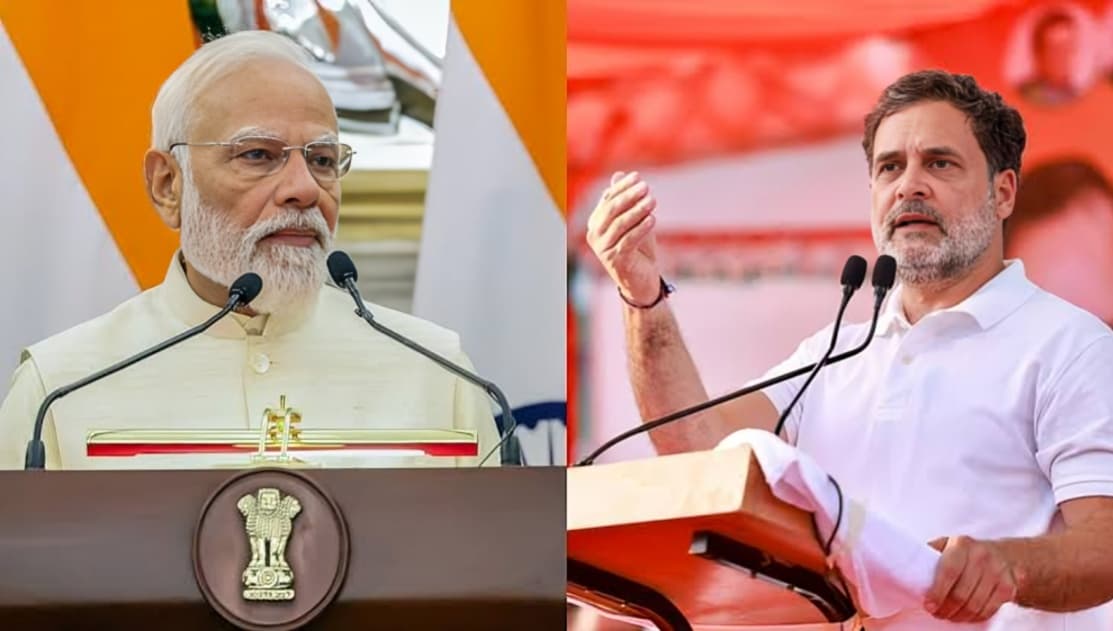
The Congress party has strongly criticized the central government over the delay in implementing the women reservation law, raising concerns about its timing and intent. According to the party, the decision to postpone the implementation of the law by linking it to the completion of the census and delimitation process has created uncertainty and raised questions about the government’s commitment to women’s representation.
The women reservation law, which aims to provide a fixed percentage of seats for women in legislative bodies, has been widely discussed as a major step towards improving gender equality in Indian politics. However, the Congress has alleged that the government’s approach has diluted the impact of the legislation by delaying its actual enforcement.
Senior Congress leaders have stated that the law should have been implemented during the 2024 general elections. They argue that the delay undermines the purpose of the legislation and deprives women of immediate representation in Parliament and state assemblies. The party has also accused the government of using the issue as a political tool to influence voters.
The criticism further extends to the government’s broader governance and policy decisions. Congress leaders have claimed that the delay in implementing the reservation law reflects a pattern of postponing key reforms. They have also linked the issue to what they describe as challenges in economic management and foreign policy, suggesting that such moves are intended to divert public attention.
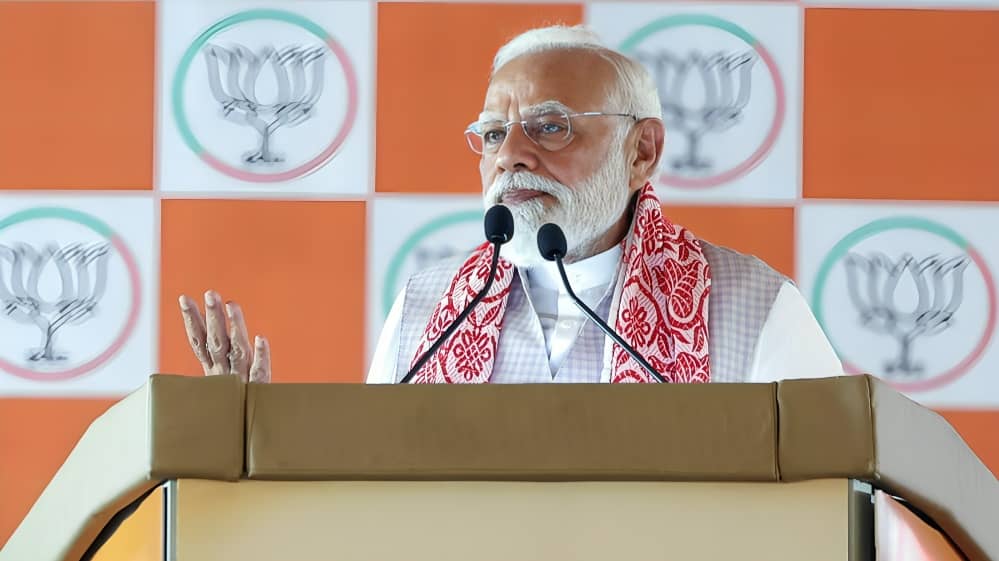
In response to the situation, the Congress has demanded an apology from Prime Minister Narendra Modi. The party maintains that women across the country deserve clarity and timely implementation of policies that directly impact their political participation. It has also called for a clear timeline from the government regarding when the reservation law will come into effect.
The central government, on the other hand, has maintained that the linkage with census and delimitation is necessary to ensure proper implementation of the law. Officials argue that these processes are essential for accurately determining constituency boundaries and ensuring fair representation.
The debate over the women reservation law highlights broader discussions around electoral reforms and representation in India. While the legislation has received support across political lines in principle, disagreements over its implementation have led to continued political exchanges.
Experts note that the issue is likely to remain a significant topic in Indian politics in the coming months. The outcome of this debate could have long term implications for gender representation and electoral dynamics in the country.
Overall, the controversy surrounding the women reservation law underscores the challenges of balancing policy intentions with implementation timelines. As political parties continue to engage on the issue, the focus remains on ensuring that the objectives of the law are achieved effectively and without unnecessary delay.