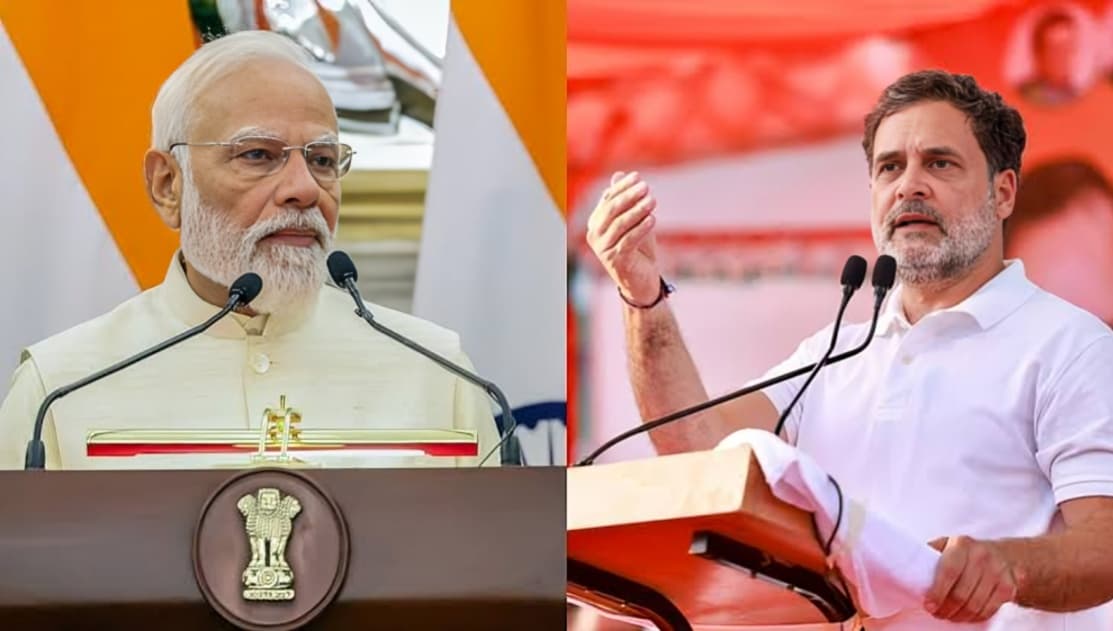
The Indian National Congress has raised concerns over the stance of Narendra Modi regarding Israel’s actions in the West Bank, amid the ongoing conflict in West Asia. The party has called for a more explicit position from the Indian government on the issue, highlighting its potential implications for regional stability and international diplomacy.
Congress leaders have stated that the current situation in West Asia requires careful attention, particularly in relation to the prospects of Palestinian statehood. According to the party, developments in the region could have long term consequences for peace efforts and the broader geopolitical landscape. They have emphasized the importance of supporting a balanced and constructive approach in international relations.
The party has also expressed concern about what it described as expansionist actions in the West Bank. It argued that the ongoing conflict may be creating conditions that could affect future negotiations related to the establishment of a Palestinian state. These concerns have been raised in the context of increasing global scrutiny of developments in the region.
In its statements, the Congress has urged the Indian government to uphold its traditional foreign policy stance, which has historically supported peaceful resolution of conflicts and dialogue between parties. The party believes that India’s position on such issues carries significance, given its role in international forums and its longstanding diplomatic relationships.
The remarks come at a time when tensions in West Asia remain high, with multiple countries closely monitoring the situation. The conflict has already had wide ranging effects, including economic and political implications beyond the region. Global leaders have been calling for restraint and efforts toward de escalation.
Political observers note that foreign policy positions often become part of domestic political debate, especially during periods of international crisis. Statements from opposition parties are seen as part of this broader discussion, reflecting differing perspectives on how the country should engage with global issues.
The government has not issued a detailed response to the specific criticism, but it has consistently maintained that India supports peace, stability, and dialogue in conflict regions. India has historically advocated for a two state solution in the Israel Palestine issue, emphasizing peaceful coexistence.
Experts suggest that India’s approach to international conflicts typically balances strategic interests with diplomatic considerations. As a major global economy and an important voice in international forums, the country’s position is closely watched by other nations.
The ongoing situation in West Asia continues to evolve, and its impact is being felt across multiple sectors, including global markets and energy supplies. As developments unfold, there is likely to be continued discussion both internationally and within India regarding appropriate policy responses.
Overall, the comments by the Indian National Congress highlight the importance of foreign policy debates in shaping public discourse. The issue remains significant, with implications for international relations and regional stability.