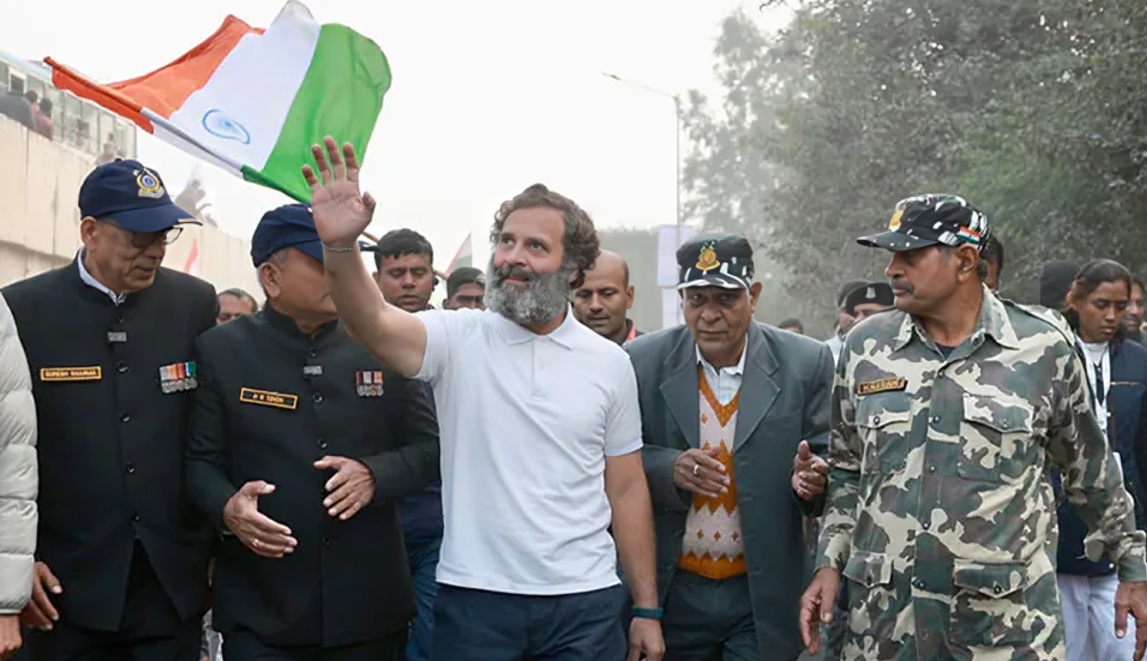
The Congress on Monday marked four years since the launch of the Bharat Jodo Yatra led by Rahul Gandhi, describing the nationwide march as a decisive turning point in contemporary Indian politics. The party said the campaign was designed to engage directly with citizens and understand their concerns rather than simply deliver a political message.
Congress general secretary in charge of communications Jairam Ramesh said the yatra was not intended to sermonise a Mann ki Baat but to listen to Janta ki Chinta, meaning the concerns of the people. He made the remarks while recalling the launch of the march on September 7, 2022.
The Bharat Jodo Yatra began in Kanyakumari in Tamil Nadu. Before starting the journey, Rahul Gandhi visited the Vivekananda Memorial before setting out with around 120 other Bharat Yatris. According to Ramesh, the march covered 4080 kilometres through 12 states and two Union Territories over 145 days and concluded with a public rally in Srinagar.
The Congress has presented the yatra as an effort to establish direct communication between its leadership and ordinary citizens. During the journey, Rahul Gandhi and other Congress leaders interacted with people from different sections of society and raised issues that the party said were affecting the country.
Ramesh said the march received support from millions of Indians who, according to the Congress, were concerned about economic inequality, social polarisation and what the party described as growing political authoritarianism. These assessments are the Congress's political interpretation of the period and remain part of the wider political debate in India.
The yatra was launched at a time when the Congress was seeking to strengthen its organisational and political presence across the country. The party had faced electoral setbacks in several states and was attempting to reconnect with voters through a large scale public outreach campaign.
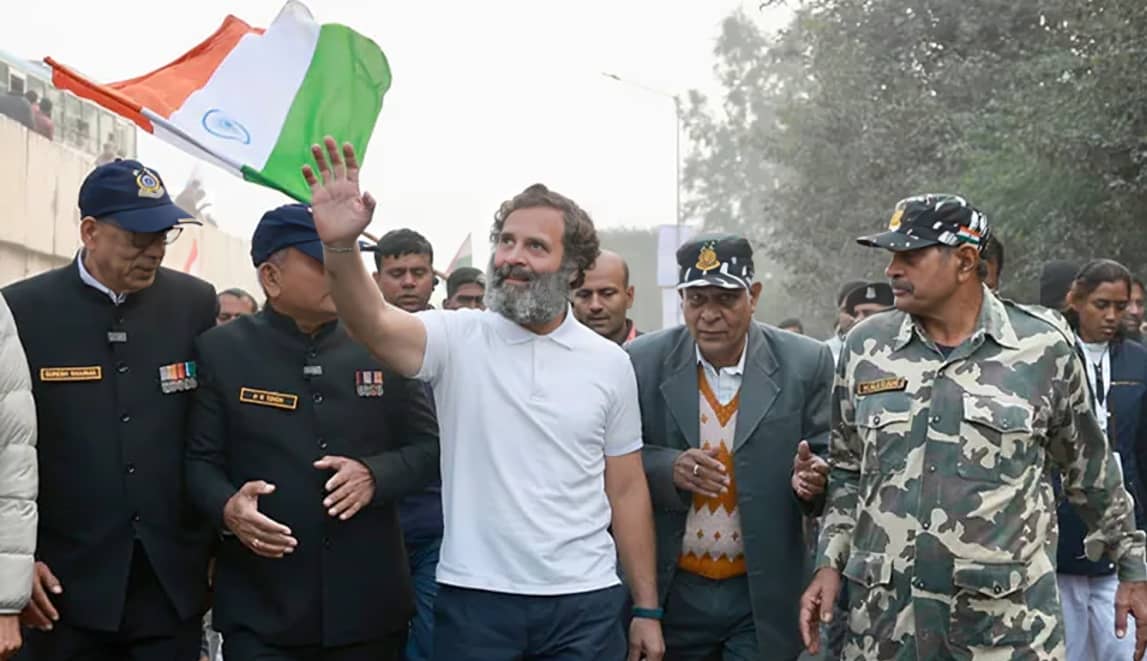
The march provided Rahul Gandhi with an opportunity to travel across several parts of India on foot while meeting citizens, party workers, civil society representatives and other groups. Congress leaders later argued that the journey helped create greater public engagement around issues of social unity, economic concerns and constitutional values.
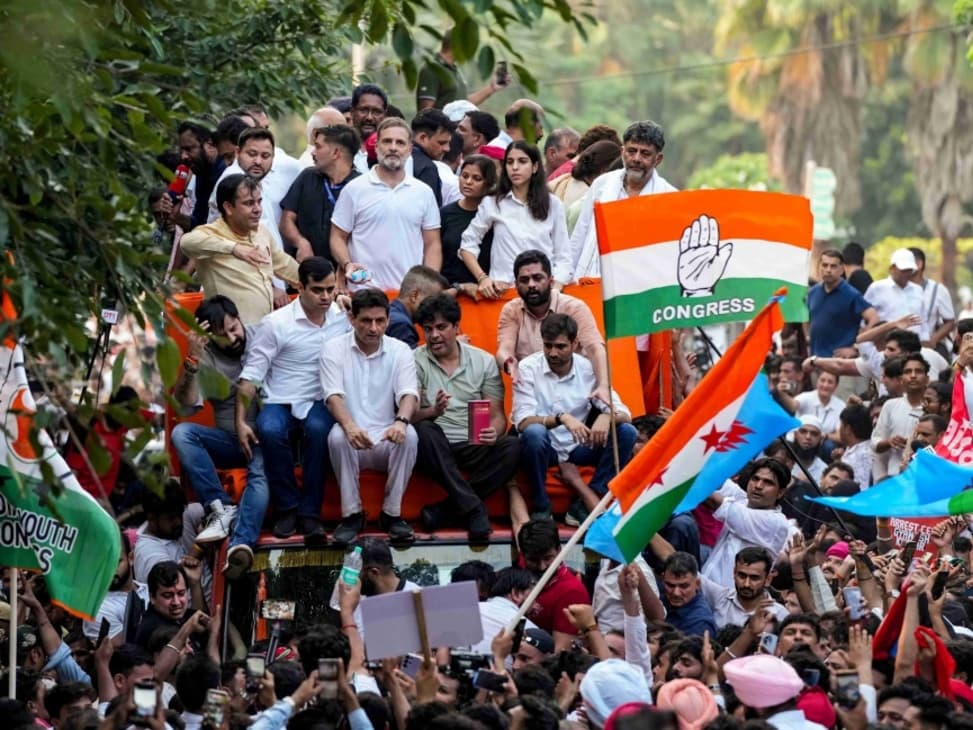
The party has also highlighted the participation of leaders, public figures and citizens during different stages of the journey. Congress leaders described the public response as evidence of widespread interest in the issues raised during the march.
According to Congress figures cited by party leaders, Rahul Gandhi addressed multiple public meetings and street corner meetings during the journey and also interacted with the media at several points. The party has used these engagements to underline its claim that the yatra was designed as a direct public outreach programme.
The fourth anniversary is being observed as the Congress continues to refer to the Bharat Jodo Yatra as an important part of its recent political history. The party has argued that the march helped create new political energy and renewed confidence among its workers and supporters.
Congress general secretary organisation K C Venugopal also marked the anniversary and described the yatra as an effort to bring people from different communities together. He said the campaign carried messages of hope, compassion and togetherness and sought to challenge social divisions.
The Congress has connected the Bharat Jodo Yatra with its broader political argument about protecting constitutional values and promoting social harmony. Party leaders have repeatedly said that the objective was to counter what they described as growing divisions in society.
At the same time, the yatra was a major political exercise for the Congress. Its route passed through a large number of districts and states, giving the party an opportunity to mobilise its organisational network and connect with local communities.
The march began at India's southern tip and moved northwards before reaching Jammu and Kashmir. The journey eventually concluded in Srinagar, where Rahul Gandhi participated in the closing programme. The geographical scale of the campaign became one of its defining features.
The Congress has also pointed to the Bharat Jodo Yatra as part of a broader effort to rebuild the party's connection with voters. After the original march, the party organised the Bharat Jodo Nyay Yatra in 2024, which continued the emphasis on public outreach but focused on additional political and social issues.
The impact of the Bharat Jodo Yatra remains a matter of political debate. Congress leaders regard it as a significant moment that improved the party's public engagement and strengthened Rahul Gandhi's political profile. Critics and political opponents have offered different assessments of its electoral and political impact.
The march did not itself determine the outcome of subsequent elections, and its long term political significance is still debated. However, it provided the Congress with a major nationwide campaign and allowed its leadership to maintain a sustained public presence across a large part of the country.
The fourth anniversary has therefore become an opportunity for the Congress to revisit the objectives and messages associated with the yatra. Party leaders have again emphasised listening to citizens, social unity and engagement with public concerns.
Jairam Ramesh's latest remarks place particular emphasis on the difference between communicating a political message and listening to citizens. By using the phrase Janta ki Chinta, he described the yatra as a platform through which the party sought to understand people's experiences and concerns directly.
The Congress has also described the march as a transformational event that brought renewed energy to its political activities. Party leaders have said the campaign encouraged workers and supporters to engage more directly with people and discuss issues affecting different communities.
The yatra also attracted significant media attention because of Rahul Gandhi's sustained participation and the length of the journey. Its progress through different states generated public meetings, local events and interactions with residents along the route.
The campaign became particularly notable for its emphasis on walking long distances and maintaining continuous public contact. Congress leaders presented this format as different from conventional election campaigning, arguing that it allowed greater interaction with people outside formal political rallies.
The party's latest anniversary statements continue to frame the yatra as part of its larger effort to strengthen public engagement. Congress leaders have said that the political mission associated with the campaign remains ongoing and that issues such as economic inequality, social divisions and constitutional values continue to require attention.
The Bharat Jodo Yatra was therefore both a political campaign and a major public outreach exercise for the Congress. Its supporters regard it as an important effort to promote unity and reconnect with citizens, while its political impact remains subject to differing assessments.
Four years after the march began, the Congress continues to highlight the journey as an important chapter in Rahul Gandhi's political career and the party's recent history. The latest anniversary observance has again placed public concerns, social unity and political engagement at the centre of the party's message.
The Congress's description of the yatra as a decisive turning point reflects the party's own assessment of the campaign. The 4080 kilometre journey from Kanyakumari to Srinagar remains one of the largest nationwide political marches undertaken by the party in recent years.
As the Congress looks ahead, its leaders are continuing to invoke the Bharat Jodo Yatra as an example of direct engagement with citizens. The party says the central lesson of the campaign was the importance of listening to people and understanding their concerns rather than limiting political communication to speeches and formal programmes.
The fourth anniversary has thus renewed discussion about the political significance of the Bharat Jodo Yatra and its role in the Congress's efforts to rebuild public engagement. While assessments of its long term impact differ, the march remains a prominent part of the party's recent political narrative.