
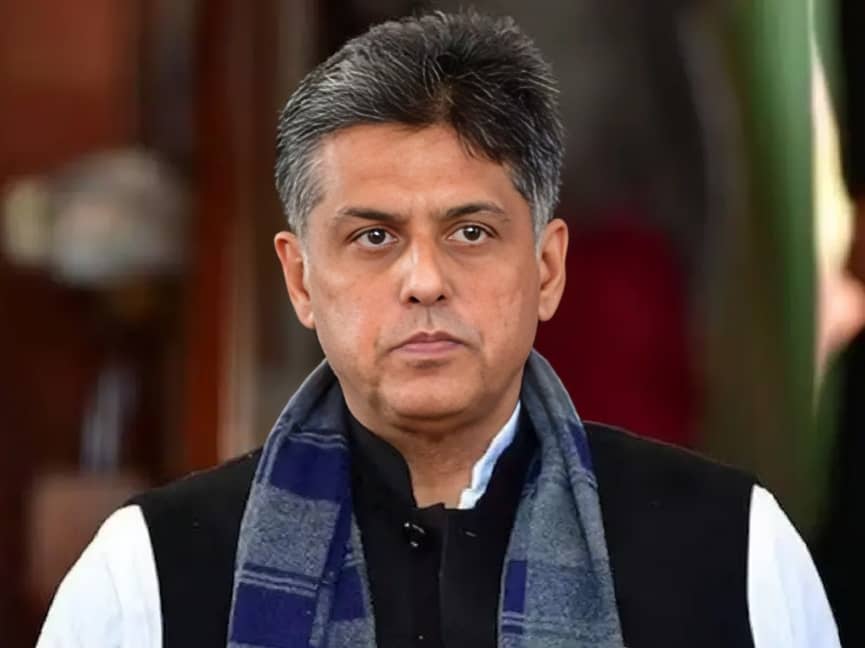
Congress MP Manish Tewari has stirred debate in Parliament by recommending that cash transfer schemes be temporarily halted in Indian states where the debt-to-GDP ratio exceeds 20%. According to Tewari, while such schemes aim to provide immediate relief to citizens, continuing them in fiscally stressed states could exacerbate financial instability.
Tewari highlighted that several states have seen rapid increases in debt, partly due to extensive social welfare expenditures and borrowing to fund various schemes. He stressed that states with high debt-to-GDP ratios must focus on fiscal consolidation, ensuring that limited resources are directed toward critical services and long-term infrastructure development rather than recurring cash disbursements.
“Direct benefit transfers are essential for social welfare, but their continuation in financially stressed states can limit the governments’ capacity to invest in healthcare, education, and infrastructure,” Tewari stated. He emphasized the need for a balanced approach where social welfare objectives are achieved without compromising fiscal health.
The MP suggested a more targeted strategy to maintain social support while controlling fiscal deficits. He proposed that cash transfer schemes be reviewed periodically, prioritizing vulnerable populations and regions that are not under severe fiscal strain. According to Tewari, adopting such an approach would allow states to maintain essential services and development programs while still supporting citizens who need immediate assistance.
Economists agree that fiscal prudence is critical, especially in states with rising debt levels. High debt-to-GDP ratios can lead to increased borrowing costs, reduced fiscal space, and constraints on public investment. By temporarily pausing cash transfers in high-debt states, governments can focus on reducing deficits and improving overall financial health, thereby creating a more sustainable environment for long-term growth.
Opposition parties have expressed mixed reactions to Tewari’s recommendation. While some agree on the need for fiscal responsibility, others argue that cutting cash transfers could disproportionately impact the poor, especially in regions where social welfare schemes are a primary source of support. The debate underscores the challenge of balancing immediate citizen welfare with long-term fiscal sustainability.
Tewari also urged the central government to work closely with states, providing guidance and policy frameworks to optimize expenditure. He suggested that enhanced monitoring, better targeting of subsidies, and data-driven decision-making could help governments maintain fiscal discipline without reducing support to the needy.
The MP’s comments come at a time when several Indian states are facing rising debt levels amid increasing social and developmental expenditures. His remarks have sparked discussions among policymakers, economists, and financial experts regarding the most effective approach to social welfare in fiscally stressed regions.
In conclusion, while cash transfer schemes are an important tool for social security, Tewari’s suggestion highlights the need for careful fiscal planning. By balancing immediate welfare support with long-term financial stability, states can ensure sustainable development and maintain essential public services for all citizens.


