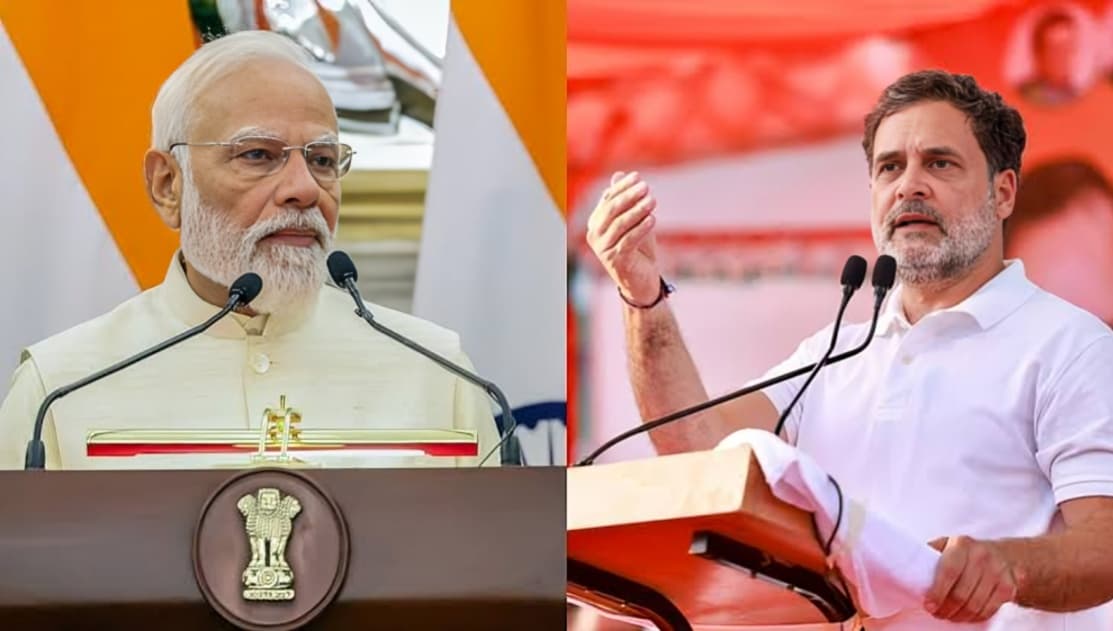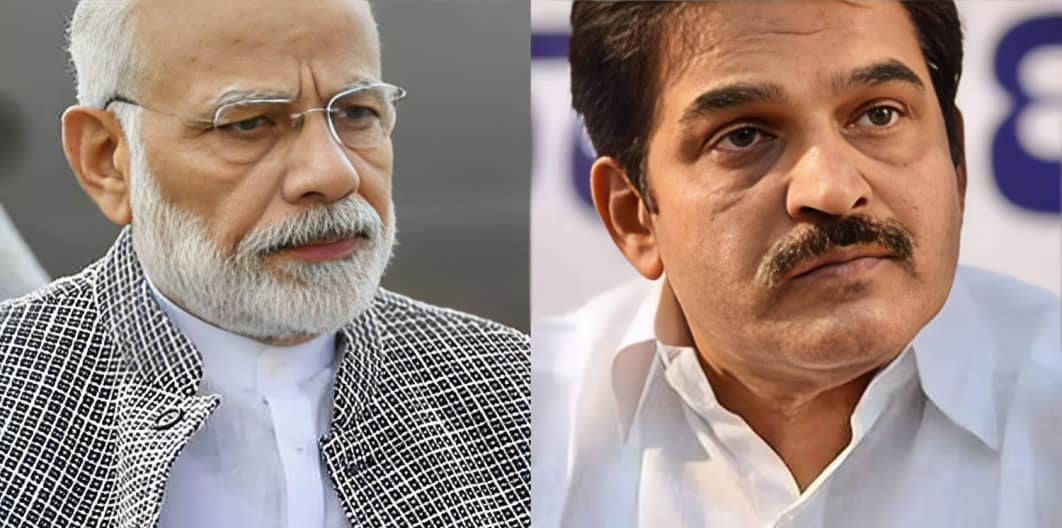

K. C. Venugopal, a senior leader of the Indian National Congress, has moved a privilege notice against Narendra Modi in connection with remarks made during a recent parliamentary address. The issue relates to statements concerning opposition members and their voting position on the Constitution 131st Amendment Bill 2026.
According to the notice, the Congress leader has alleged that the Prime Minister’s comments during his April 18 address in Parliament cast aspersions on members of the opposition. The notice claims that such remarks may be inconsistent with parliamentary conventions and could be considered a matter of privilege. Privilege notices are formal mechanisms used by Members of Parliament to raise concerns about actions or statements that may affect the rights and dignity of the House or its members.
The matter arises from the debate surrounding the Constitution Amendment Bill, which was recently discussed and voted upon in Parliament. Opposition parties, including the Indian National Congress, had taken a position against the bill, leading to political exchanges between the government and opposition benches.
During his address, Narendra Modi reportedly criticised the opposition for their stance on the bill. The Congress party has argued that these remarks went beyond political disagreement and reflected negatively on the intent and conduct of opposition MPs. As a result, K. C. Venugopal has sought action through the parliamentary privilege mechanism.
The process of examining a privilege notice typically involves review by the Speaker of the Lok Sabha or the Chairman of the Rajya Sabha, depending on where the issue is raised. The presiding officer may decide whether the matter warrants further examination by a privileges committee. Such committees assess whether there has been a breach and recommend appropriate action if necessary.
The development has added to the ongoing political tensions between the ruling government and opposition parties. Parliamentary debates often involve strong exchanges of views, especially on significant legislative matters such as constitutional amendments. However, concerns about maintaining decorum and respecting parliamentary norms remain an important aspect of legislative functioning.
The government has not issued a detailed response specifically addressing the privilege notice. In general, leaders from the ruling side have maintained that their statements are part of political discourse and reflect their views on policy matters and legislative decisions.
Political analysts note that privilege notices are a common feature in parliamentary proceedings and are often used by members to highlight concerns about statements made during debates. The outcome of such notices depends on procedural review and the interpretation of parliamentary rules.
The Constitution Amendment Bill at the centre of the issue continues to be a subject of discussion, with different parties expressing varying perspectives on its provisions and implications. The debate reflects broader political differences regarding governance and legislative priorities.
As the matter moves through parliamentary procedures, attention will remain on how the issue is addressed within the framework of established rules. The development highlights the importance of balancing robust political debate with adherence to parliamentary standards.