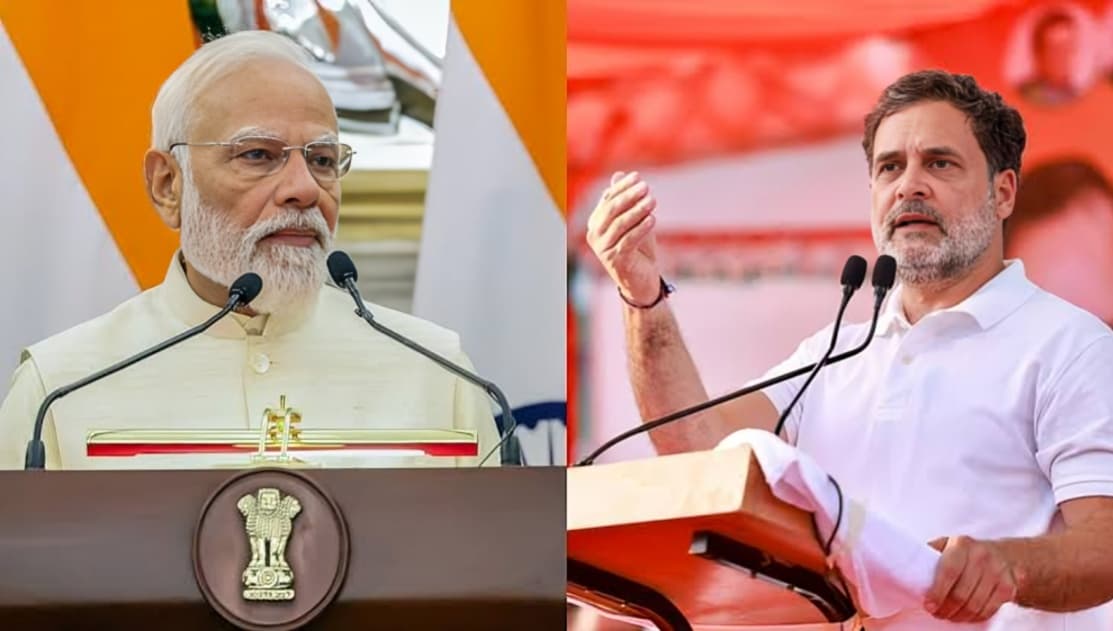
A political debate has emerged following the Prime Minister’s recent address in Parliament on the ongoing conflict in West Asia. Congress Member of Parliament Sukhdeo Bhagat has expressed concerns over the format and content of the speech, stating that it did not provide an opportunity for wider discussion among elected representatives.
Speaking to the media, Bhagat said that the address was delivered in a one way manner, without allowing members of Parliament to raise questions or share their perspectives. He emphasised that issues related to international conflicts, particularly those affecting India’s security and energy interests, require comprehensive discussion in a democratic forum like Parliament.
According to Bhagat, the situation in West Asia has significant implications for India, especially in terms of energy supply and economic stability. He noted that rising geopolitical tensions can impact fuel prices and supply chains, making it important for policymakers to engage in detailed deliberations. He also highlighted the need for inputs from representatives across different regions, as they bring diverse perspectives on how such global developments affect the country.
The Congress leader further stated that Parliament serves as a platform for constructive debate and policy discussion. He argued that allowing members to ask questions and provide suggestions would strengthen decision making and ensure that multiple viewpoints are considered. In his view, a more interactive approach would have helped address concerns more effectively.
The remarks come at a time when global attention is focused on developments in West Asia, which have influenced international markets and diplomatic relations. India, being a major importer of energy resources, closely monitors such situations to safeguard its national interests. Government responses to these developments are often discussed in Parliament to maintain transparency and accountability.
While the Prime Minister’s address was aimed at informing the House about the government’s position and actions, opposition leaders have called for a more participatory approach. They believe that open discussions can lead to better understanding and more balanced policy responses.
Political analysts note that such differences in opinion are a common aspect of parliamentary functioning, especially on issues of national and international importance. Debates and discussions allow elected representatives to voice their concerns and contribute to policymaking.
As the situation in West Asia continues to evolve, discussions on its impact are expected to remain a key topic in political discourse. Issues such as energy security, foreign policy, and economic stability are likely to be central to these conversations.
The exchange of views between the government and opposition reflects the functioning of a democratic system, where diverse opinions are expressed and debated. Observers suggest that continued engagement on such issues will be important for shaping effective policy responses.
The development highlights the importance of maintaining a balance between presenting official positions and encouraging dialogue within Parliament. As India navigates global challenges, collaborative discussions among policymakers will remain crucial.