The Congress has raised questions about the outcomes of the Make in India initiative, particularly in areas such as private investment, manufacturing growth and employment. The comments came as the Union government’s flagship manufacturing programme completed 12 years since its launch in September 2014.
Congress general secretary in charge of communications Jairam Ramesh said the initiative had not delivered the level of private investment and broad based employment growth that the party had expected. In a post on social media, Ramesh referred to manufacturing data and argued that manufacturing growth had more often than not been slower than overall economic growth during the period since the programme was launched.
Ramesh referred to data based on Gross Value Added and the Index of Industrial Production. He argued that the figures did not show a sustained additional manufacturing growth effect that could clearly be attributed to the Make in India programme. He also said that a major increase in private investment had not taken place and that broad based job growth remained a concern. These are the Congress party’s political and economic assessments of the programme.
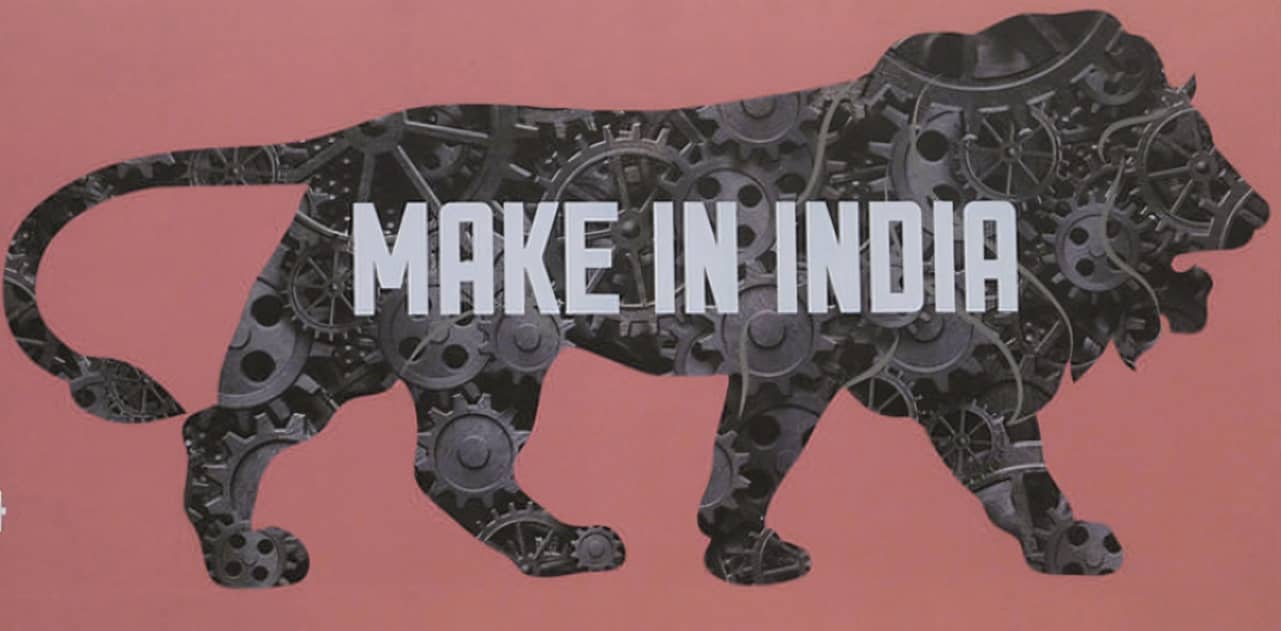
Make in India was launched on September 25, 2014. The initiative was designed to facilitate investment, promote innovation, develop infrastructure and position India as a global centre for manufacturing, design and innovation. The programme has subsequently been expanded through Make in India 2.0, which covers 27 sectors, including 15 manufacturing sectors and 12 service sectors.
The government has presented a different assessment of the initiative. According to a September 2026 Press Information Bureau backgrounder, manufacturing has expanded in several areas during the past 12 years. The government highlighted sectors including electronics, automobiles, pharmaceuticals, steel, railways and defence.
The government said manufacturing Gross Value Added at constant prices recorded a compound annual growth rate of 10.88 percent between 2022-23 and 2025-26 under the revised national accounts series. It also reported that the manufacturing component of the Index of Industrial Production increased by 7 percent between April and July 2026 compared with the corresponding period of 2025.
Electronics manufacturing has been one of the sectors highlighted by the government. According to the PIB, overall electronics production increased from approximately Rs 1.9 lakh crore in 2014-15 to around Rs 13.11 lakh crore in 2025-26. Mobile phone production also increased substantially during the same period, according to government figures.
The Production Linked Incentive scheme is another major component of the government’s manufacturing strategy. The government said that PLI schemes covering 14 sectors had attracted more than Rs 2.16 lakh crore in investment as of December 31, 2025. The schemes had also generated incremental production and sales of more than Rs 20.41 lakh crore and supported more than 14.39 lakh direct and indirect jobs, according to the Ministry of Commerce and Industry.
Industry groups have also pointed to developments under the manufacturing policy framework. The Confederation of Indian Industry said in September 2026 that PLI schemes had catalysed Rs 2.58 lakh crore in actual investment, Rs 23.79 lakh crore in production and sales, and Rs 15.53 lakh crore in exports as of June 2026. CII also said the schemes had supported more than 14.57 lakh direct and indirect jobs.
At the same time, independent assessments have examined whether the gains have been broad based across the manufacturing sector. One recent analysis of 12 indicators covering growth, investment, employment and exports found that the impact has varied considerably between sectors. It noted that some of the gains associated with incentive programmes have been concentrated in a limited number of industries.
The debate therefore centres on how the success of Make in India should be measured. The Congress has focused on manufacturing’s performance relative to overall economic growth, private investment and employment. The government has highlighted increased production, new investments, PLI-supported employment and expansion in specific manufacturing sectors.
Investment is another important part of the discussion. An assessment cited by recent reports found that private sector gross fixed capital formation as a share of GDP was lower in 2023-24 than in 2014-15 under the older national accounts series. The same assessment said the ratio under the newer series had declined since 2022-23. At the same time, manufacturing’s share of foreign direct investment has increased over the period, indicating that the investment picture varies depending on the indicator being considered.
Employment is similarly an area where different measures provide different perspectives. The government has reported jobs associated with PLI-supported industries, while wider assessments have examined total manufacturing employment and its share of overall employment. This distinction is important because employment generated through specific incentive schemes does not necessarily represent the overall employment performance of the manufacturing sector.
The Make in India initiative remains a major part of India’s industrial policy. Its original objectives included attracting investment, encouraging innovation, improving infrastructure and increasing manufacturing capacity. Over the years, additional measures such as PLI schemes, the National Single Window System, PM Gati Shakti and industrial infrastructure programmes have been brought into the broader manufacturing policy framework.
As the initiative enters its thirteenth year, the political debate is likely to continue over whether its benefits have been sufficiently broad across investment, manufacturing output, exports and employment. The latest Congress criticism represents one side of that debate, while government data points to substantial growth in selected sectors and investment-linked programmes.
For readers, the key distinction is between political assessments of the programme and measurable economic indicators. Congress has argued that private investment and broad based employment have not increased as expected, while government data points to substantial increases in production, investment and employment under specific manufacturing initiatives.