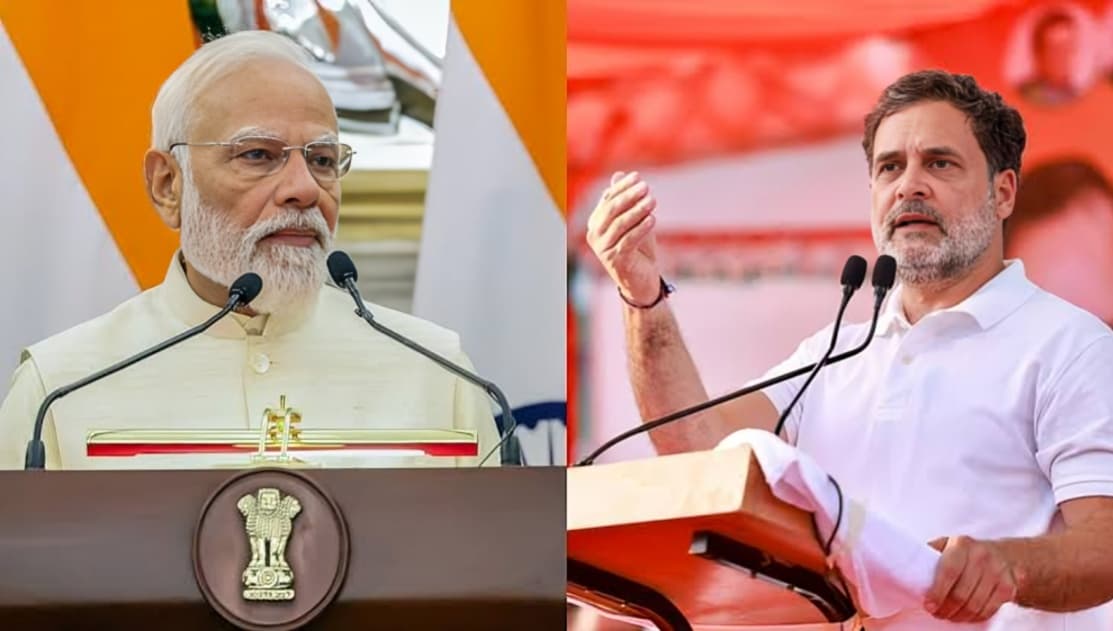
The discussion around delimitation in India has gained momentum, with political leaders and analysts examining its possible impact on the balance of representation among states. At the centre of the debate is the concern that southern states may face a relative decline in parliamentary representation if constituency boundaries are redrawn based on population data.
Delimitation refers to the process of redefining the boundaries of electoral constituencies to reflect changes in population. This exercise is carried out periodically to ensure that each constituency represents a roughly equal number of people. However, in a diverse country like India, where population growth rates vary significantly across regions, the process can lead to shifts in political representation.
Recent discussions have focused on proposals that could involve increasing the total number of seats in the Lok Sabha and redistributing them among states. Some interpretations of these proposals suggest a formula that seeks to balance population based representation with considerations of fairness among states. This has led to questions about whether southern states, which have generally experienced slower population growth, may lose relative influence compared to states with higher population increases.
Leaders from several southern states have expressed concerns that such changes could reduce their share of seats in Parliament. They argue that these states have invested in development and population control measures over the years, and any reduction in representation could be seen as a disadvantage. The issue has therefore become both a political and policy matter, with calls for careful evaluation before any decisions are made.
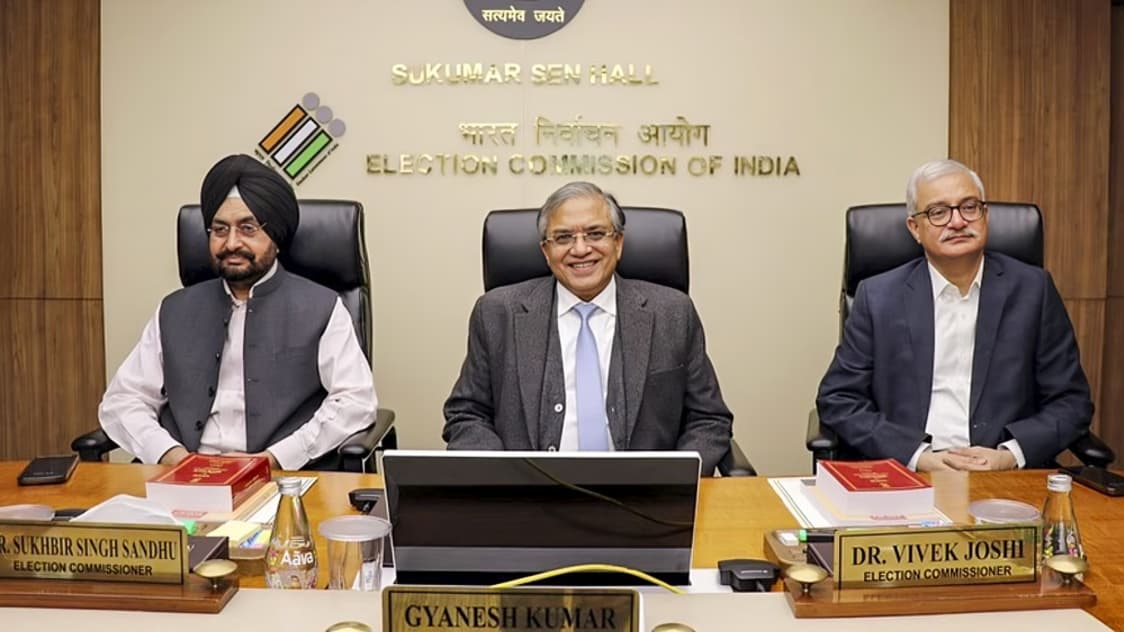
The central government has maintained that delimitation is a constitutional requirement and an essential part of ensuring fair representation in a growing democracy. Officials have indicated that any changes will aim to balance representation while maintaining the integrity of the federal structure. They have also suggested that discussions are ongoing and that final decisions will consider the interests of all states.
Experts point out that delimitation exercises in the past have involved complex negotiations to maintain balance between population based representation and regional equity. The process requires detailed data analysis, legal frameworks, and political consensus to ensure that changes do not disproportionately affect any region.
The debate has also been linked to other proposed reforms, including women’s reservation in legislative bodies. Some political parties have raised concerns about implementing multiple changes simultaneously without sufficient clarity on their combined impact.
As the issue continues to be discussed in political and public forums, it remains unclear how the final framework for delimitation will be structured. The outcome will depend on legislative decisions, consultations with states, and broader political agreement.
The delimitation debate highlights the challenges of balancing democratic representation with regional diversity in India. The decisions taken in this regard are likely to have long term implications for the country’s political landscape and federal structure.