
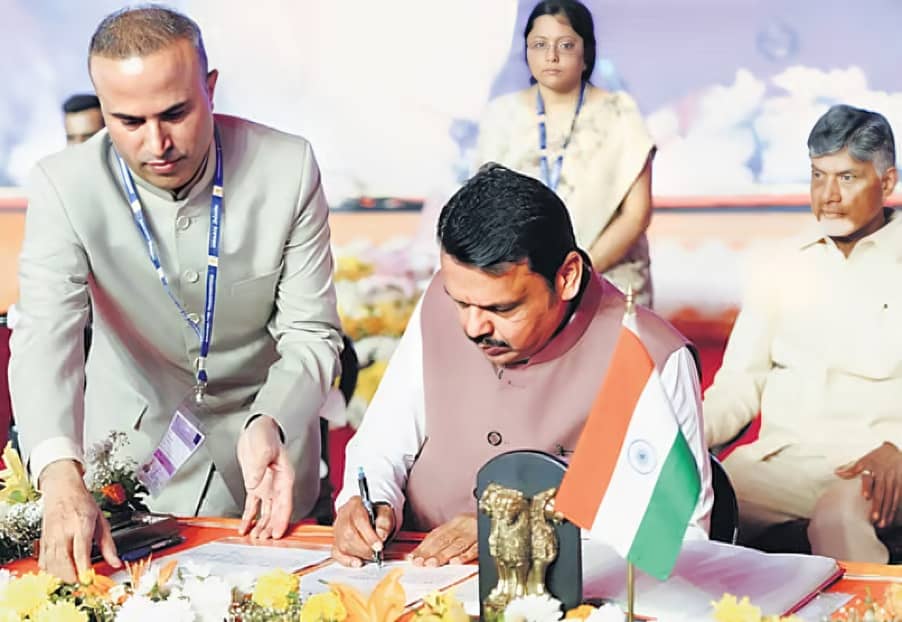
Maharashtra Deputy Chief Minister Devendra Fadnavis has issued a strong response to remarks made by Chief Minister Eknath Shinde during a recent political event. Shinde had allegedly made statements critical of Fadnavis’ political approach and decision-making within the ruling alliance, prompting Fadnavis to reply emphatically. “We will burn Lanka,” Fadnavis said, a remark interpreted as a metaphorical assertion of his intent to counter political opposition and assert his influence within the state government.
The exchange highlights continuing tensions and rivalries within the Maharashtra government, where internal dynamics between alliance partners often influence public statements and policy debates. Political analysts note that such strong rhetoric is common in Indian state politics, especially when leaders seek to reinforce their position among party cadres and supporters.
Fadnavis clarified that while his statement was forceful, it was aimed at addressing political opposition and not inciting unrest. He underlined that his priority remains effective governance, policy implementation, and safeguarding the development agenda for Maharashtra. Officials and party sources have indicated that Fadnavis is determined to assert his political presence while maintaining alliance cohesion, a balancing act critical to sustaining government stability.
The verbal exchange between Fadnavis and Shinde has become a topic of discussion in Maharashtra’s media and political circles. Supporters of Fadnavis praised his assertiveness, interpreting it as a strong stand against criticism, while observers caution that heated rhetoric could escalate political tensions if not managed carefully. Meanwhile, Shinde’s camp has maintained that the Chief Minister’s remarks were intended to critique policy decisions and leadership style rather than personal attacks.
Political commentators highlight that Maharashtra’s alliance governments have historically faced challenges in maintaining internal unity, with statements like these reflecting broader strategic manoeuvring ahead of elections or key policy decisions. Fadnavis’ comment, although figurative, underscores his intent to remain a key player in the state’s political landscape and signals his readiness to confront rivals within and outside the alliance.
Observers also point out that public statements from high-profile leaders influence voter perception and party morale. Fadnavis’ rhetoric, combined with active participation in governance and public engagement, helps consolidate his support base while sending a clear message to political opponents.
In conclusion, the verbal exchange between Devendra Fadnavis and Eknath Shinde illustrates the delicate dynamics within Maharashtra’s ruling alliance. While both leaders continue to manage governance responsibilities, their public statements reflect ongoing negotiations of power, influence, and political positioning. Analysts expect both leaders to maintain careful communication in the coming weeks to ensure stability while addressing internal and external political challenges.


