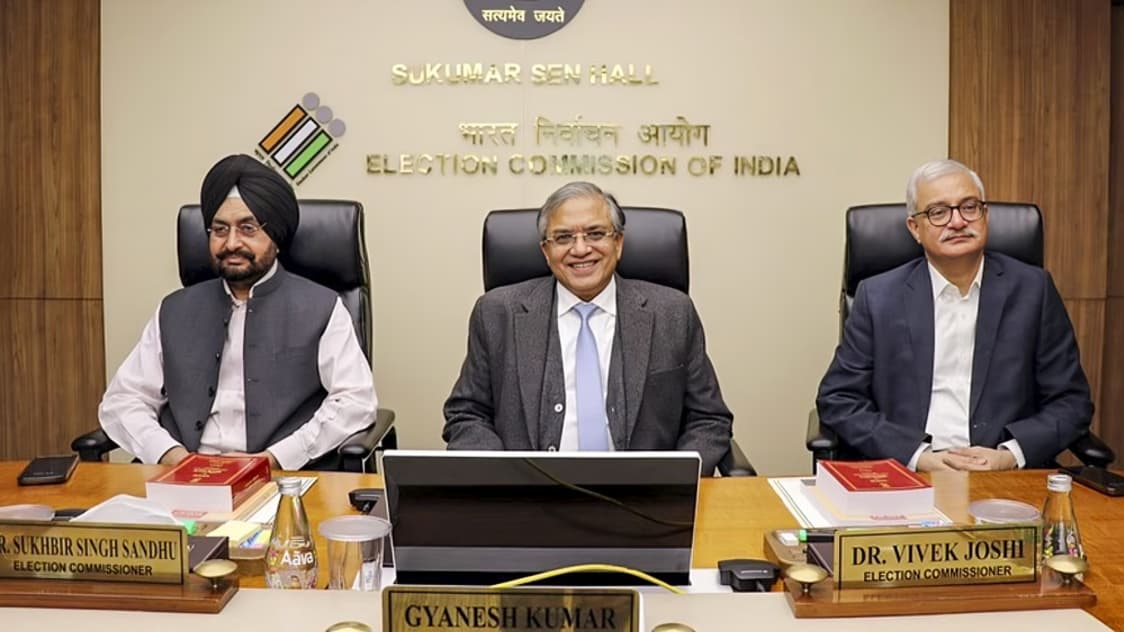
The Election Commission of India has officially announced the schedule for the 2026 Assembly elections in five key regions, including West Bengal, Tamil Nadu, Assam, Kerala and the Union Territory of Puducherry. The announcement marks the beginning of the election process in these states, setting the stage for a series of political campaigns, candidate announcements and voter outreach activities.
Soon after the schedule was released, the All India Majlis e Ittehadul Muslimeen announced its first list of candidates for the West Bengal Assembly elections. The party has named 12 candidates in its initial list, signaling its intent to play an active role in the state’s political landscape. More candidate lists are expected to be released by various political parties in the coming days.
The Assembly elections in these states are considered significant due to their political importance and diverse voter base. Each state presents unique challenges and issues that are likely to shape the campaign narrative. Political parties are expected to focus on topics such as development, employment, infrastructure, and social welfare while reaching out to voters.
In West Bengal, the elections are expected to witness a multi cornered contest, with several national and regional parties vying for power. The release of candidate lists by parties like AIMIM marks the beginning of intensified political activity in the state. Campaign strategies are likely to evolve as parties assess voter sentiments and adjust their approaches accordingly.
Tamil Nadu and Kerala are also gearing up for closely watched elections, with established political alliances preparing to defend their positions or challenge the incumbents. In Assam, regional and national issues are expected to influence voter preferences, while in Puducherry, local governance and development will be key areas of focus.
The Election Commission has emphasized that all necessary arrangements are being made to ensure free, fair and transparent elections. This includes updating electoral rolls, deploying security personnel, and implementing guidelines for candidates and political parties. The Commission has also urged voters to participate actively in the democratic process and ensure that their names are correctly listed in the electoral rolls.
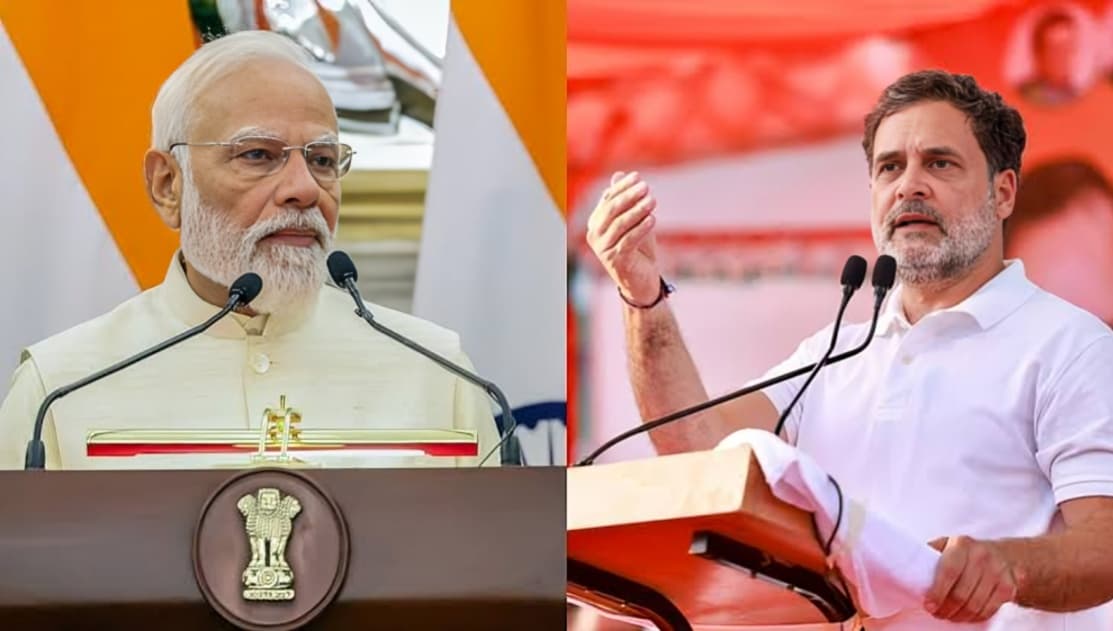
Political observers note that the upcoming elections will be an important test for both ruling and opposition parties across these regions. The results are likely to have a significant impact on the national political landscape, as well as on state level governance.
As the election dates approach, campaign activities are expected to intensify, with rallies, public meetings and outreach programs being organized across constituencies. Parties will also focus on digital campaigns and social media engagement to connect with younger voters.
The announcement of the election schedule and the release of candidate lists mark the beginning of a crucial phase in the democratic process. With multiple states going to the polls, the coming weeks will see heightened political activity, public debate and voter engagement. The outcome of these elections will play a key role in shaping the political future of the regions involved.