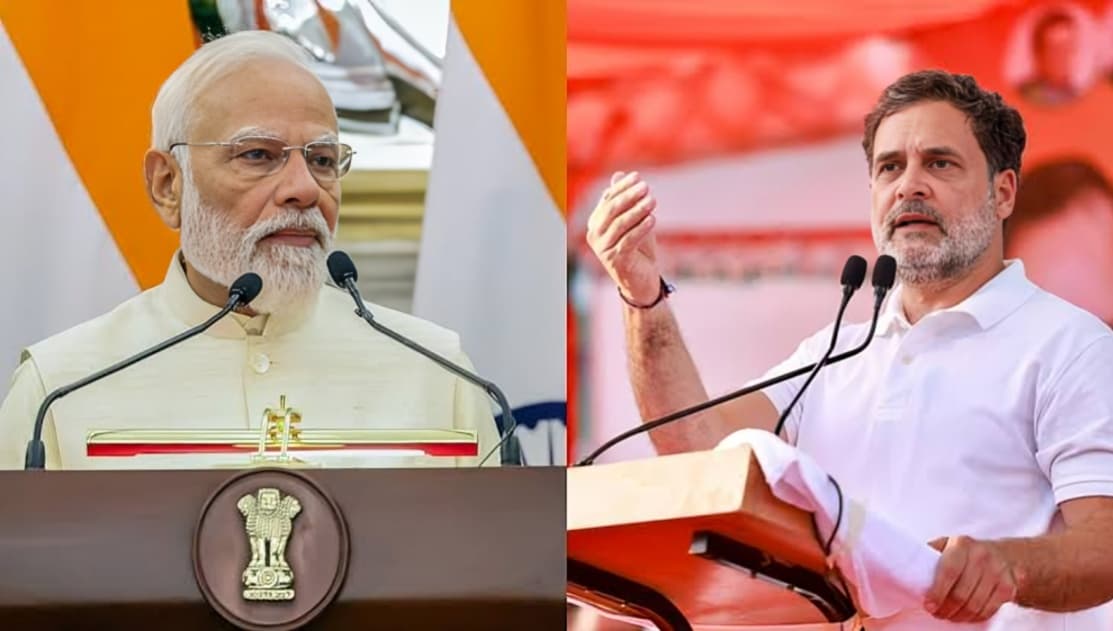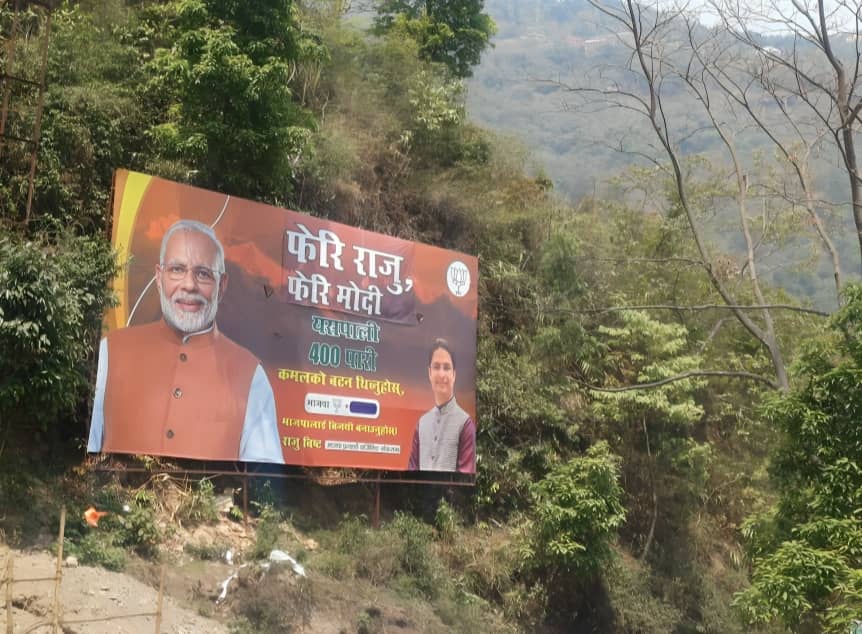

The demand for Gorkhaland has once again become a central issue in the Darjeeling Hills as West Bengal prepares for its upcoming assembly elections. The hill regions of North Bengal are witnessing a closely contested political battle, with multiple parties attempting to secure the support of Gorkha voters.
The Bharatiya Janata Party is strengthening its presence in the region through its alliance with the Gorkha Janmukti Morcha. This partnership has historically played a significant role in shaping electoral outcomes in the hills. The BJP is focusing on its commitment to addressing regional aspirations, including the long standing demand for a separate Gorkhaland state.
On the other hand, the Trinamool Congress is relying on its alliance with the Bharatiya Gorkha Prajatantrik Morcha to consolidate support among local voters. The party is emphasizing development initiatives and administrative stability as key aspects of its campaign. The alliance aims to present a unified approach to governance while addressing the concerns of the hill communities.
Adding a new dimension to the electoral contest is the emergence of the Indian Gorkha Janshakti Front. This new political force is seeking to challenge both major alliances by presenting itself as an alternative for voters who are looking for change. The entry of a new player has increased competition and introduced uncertainty into the electoral equation.
The Gorkhaland issue continues to be a significant factor influencing voter sentiment in the region. Many residents of the Darjeeling Hills have long demanded a separate state, arguing that it would allow for better representation and development. While the demand has been part of political discourse for decades, it remains unresolved.
Voters in the region are now looking for a clear and constitutional solution to the issue. There is a growing expectation that the central government will take steps to address these concerns in a structured manner. Political parties are therefore highlighting their stance on the Gorkhaland demand as part of their campaign strategies.
In addition to the statehood demand, other local issues such as employment opportunities, infrastructure development, and access to basic services are also influencing voter decisions. The hill regions have unique administrative and geographical challenges, making governance an important aspect of electoral debates.
Political observers note that the outcome of the elections in the Darjeeling Hills could have broader implications for the state’s political landscape. The region has often played a decisive role in shaping overall results, particularly in closely contested elections.
As campaigning intensifies, parties are focusing on outreach efforts to connect with voters at the grassroots level. Public meetings, rallies, and community interactions are being used to communicate policy positions and address concerns.
The upcoming election in the Darjeeling Hills is expected to be a significant contest, with the Gorkhaland issue once again at the forefront. The results will reflect not only political preferences but also the aspirations of the people in this unique and strategically important region.